
Lieferung heute & morgen

Qualitätsgarantie

Willkommens-Angebote freischalten: KOSTENLOSE Lieferung | Bis zu 80 % RABATT | Kostenlose 30-Tage-JoyPlus-Testphase
App herunterladen
Organic baby food can make everyday life easier during the weaning stage – provided the recommended age, ingredients, consistency and pack size match your baby’s actual needs. However, there are important differences between baby porridge from 4 months, baby porridge from 6 months, milk porridge, organic porridge, baby food jars and baby fruit purée.
Many purchasing decisions do not fail because of the product itself, but because of confusing information on the packaging. As a Joybuy Product Recommendation Officer, I therefore filter the relevant product data and explain which criteria really matter when shopping in Germany.
A product labelled “no added sugar” may still contain sugar from fruit, milk or cereals. This is particularly common with fruit purée and milk porridge. It is therefore important to check:
A no-added-sugar pouch is therefore not automatically low in sugar. Fruit products made with banana or grapes may have a higher natural sugar content than a vegetable purée.
“From 6 months” is not a general recommendation for every baby, but an age indication specific to the product. Baby porridge from 4 months often has a very smooth consistency and contains only a few ingredients. Later on, chunkier meals or cereal products may be suitable, provided they match your child’s individual development.
Products for babies from 10 or 12 months also differ considerably. They may contain pieces, wholegrain ingredients or milder seasoning. The age marking on the specific product takes priority over general search terms.
Organic baby food in a multipack often reduces the price per item and is suitable for families with predictable consumption. However, with new flavours there is a risk that your child may not accept the variety. Before making a larger purchase, it is advisable to try a single pack, particularly with new ingredients or possible intolerances.
The EU organic logo or a verifiable organic claim describes the agricultural origin of the ingredients in line with the applicable regulations. The ingredients list should also be checked. Common allergens in baby porridge and milk porridge include:
A baby cereal porridge containing wheat or spelt is not equally suitable for every child. If you have questions about allergies or introducing individual foods, seek advice from a doctor or qualified nutrition professional.
Powdered porridges such as baby milk porridge or instant cereal porridge are usually mixed with boiled, cooled water. The temperature, quantity and freshly prepared nature of the food are important. According to the product information, Bebivita Semolina Milk Porridge and Bebivita Biscuit Milk Porridge are prepared with water and are intended for babies from 6 months.
Ready-made baby food jars and fruit purées save time. With jars, you remove and warm the required quantity; according to the manufacturer’s instructions, opened leftovers should be kept in the fridge and used promptly. Pouches are practical when you are out and about, but they should ideally not be sucked directly from the pouch continuously. Manufacturers highlight the importance of regular dental care.
For occasional meals, 125-g jars or 100-g pouches are easy to manage. Families with regular consumption can benefit from 6- or 8-packs. Before buying, you should check:
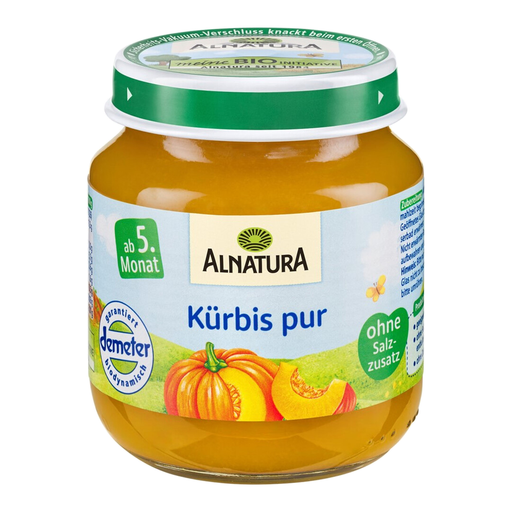
Why this product suits this profile: According to the product information, this single-ingredient vegetable purée is suitable from 4 months and offers a straightforward introduction to weaning.
The ingredients list is short: 95% organic pumpkin and water. This makes it easier to introduce new ingredients gradually and keep track of them.
Organic pumpkin of Demeter quality, finely puréed, with no added salt and, according to the product information, gluten-free.
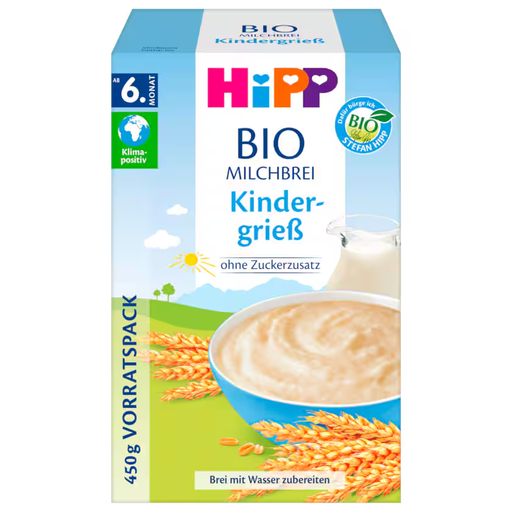
Why this product suits this profile: The powdered porridge is designed to be prepared with water and, according to the product description, contains organic ingredients as well as added vitamins and minerals.
The “no added sugar” label is complemented by the nutritional table: naturally occurring sugars remain visible and are not presented as meaning “sugar-free”.
450-g pack, prepared with water, with information on calcium, iron, iodine and vitamins A, D, E, C and B1.
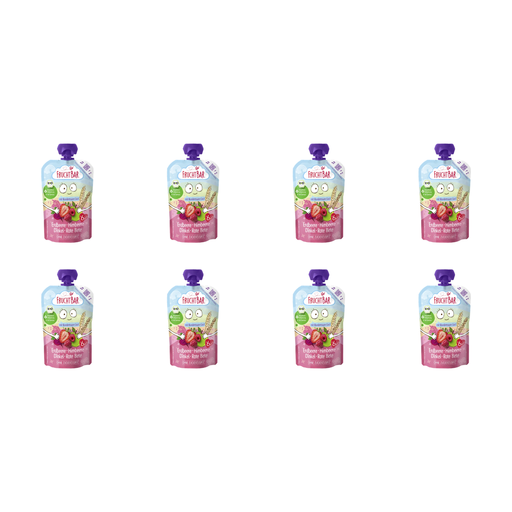
Why this product suits this profile: The individual pouches are designed for when you are out and about and can be resealed, according to the product information.
The pack contains eight individual portions. Compared with a large pack that needs to be opened repeatedly, this reduces the amount left over after opening.
800 g total quantity, organic ingredients from EU agriculture, and a combination of apple, strawberry, raspberry, beetroot and spelt.
We have put together a complete, regularly updated list of products that fully meet these strict selection criteria and the safety regulations applicable in the EU.
For the start of weaning, a finely puréed vegetable porridge such as pumpkin can provide a straightforward ingredient base. From 6 months, baby milk porridge, semolina porridge and other cereal varieties are often introduced. With products such as HiPP or Bebivita, wheat and milk ingredients should be taken into account explicitly.
From 10 months, depending on your child’s development, muesli, yoghurt-and-fruit preparations or breakfast porridges with finer pieces may also be suitable. From 12 months, chunkier meals such as couscous with vegetables or a carrot, potato and beef meal can help your child transition to a more varied family diet.
One thing remains important: your baby should be supervised while eating. Heated leftovers, damaged jars or swollen pouches should not be used. The information on the original packaging is authoritative, as recipes and packaging may change.
Products labelled “from 4 months” are intended for the relevant recommended start of weaning. A single-ingredient vegetable purée such as organic pumpkin can provide a straightforward ingredients list. Whether and when weaning food is introduced should match the baby’s individual development and, if you are unsure, be discussed with a healthcare professional.
No. “No added sugar” means that no additional sugar has been added. Fruit, milk and cereals can still provide naturally occurring sugars. Parents should therefore also check the nutritional table and ingredients list.
This depends on the type of product and the manufacturer’s instructions. Opened jars and ready-made porridges are generally kept sealed in the fridge and used within a short period. Powdered porridges are usually intended to be stored in a dry, tightly sealed container; some product information recommends using them within three to four weeks of opening. The information on the relevant packaging is always decisive.