
Lieferung heute & morgen

Qualitätsgarantie

Willkommens-Angebote freischalten: KOSTENLOSE Lieferung | Bis zu 80 % RABATT | Kostenlose 30-Tage-JoyPlus-Testphase
App herunterladen
As a Joybuy Product Recommendation Officer, I see every day how much thought parents put into their children's nutrition. The selection of organic baby food is vast, but not every jar of baby food lives up to its label's promises. Before you make a decision, you should be aware of three common pitfalls that can lead to an unsuitable choice.
To avoid these traps, you should focus on objective criteria. These three parameters will help you find the right organic baby food for your child.
The most telling information on a jar of baby food is the ingredient list. Ingredients are listed in descending order by weight. Ensure that vegetables, meat, or grains are listed first, not water or sugary fruit components. A true baby puree with no added sugar will also avoid sweeteners like concentrated fruit juice, grape sweetener, or apple juice concentrate. The salt content should also be very low, especially for infants under one year old.
Your child's developmental stage determines the right food consistency:
Also, pay attention to a balanced nutritional composition. For example, high-quality rapeseed oil provides essential omega-3 fatty acids, which are important for brain and nerve cell development.
The green EU organic seal guarantees that ingredients come from organic farming and that no chemical-synthetic pesticides were used. Some manufacturers, like HiPP or Alnatura, go a step further with their own stricter guidelines or certifications from farming associations like Demeter. A HiPP Organic Meal, for example, is subject to internal quality controls that, according to the manufacturer, are often stricter than legal requirements.
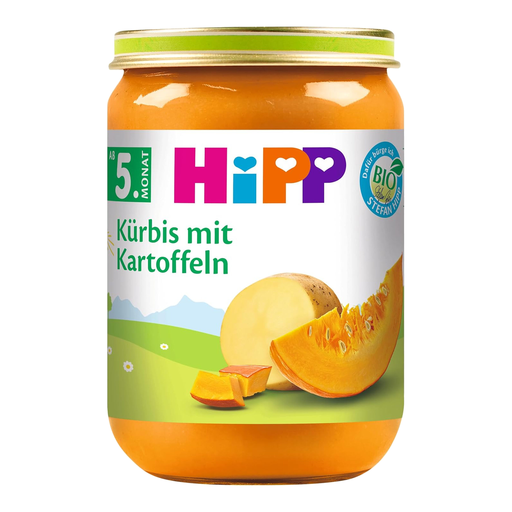
Why This Fits Their Persona: Ideal for parents who are just starting to introduce solid foods. The recipe is intentionally simple to avoid overwhelming the baby's palate and to make it easy to identify potential intolerances.
The ingredient list is short and transparent (pumpkin, potatoes, water, rapeseed oil). It consistently avoids added salt and sugar. The very fine puree is perfectly tailored to the needs of babies starting on solids.
Contains alpha-linolenic acid (an omega-3 fatty acid) from organic rapeseed oil. The recipe is gluten-free and dairy-free, making it particularly easy to digest.

Why This Fits Their Persona: Perfect for parents of toddlers over one year old who are looking for a complete meal with chewable pieces. It supports the transition from purees to solid family food.
This meal avoids the consistency trap by being intentionally chunky to encourage chewing. The salt content is reduced to be suitable for children, and it contains no added flavourings.
A complete meal with organic meat of German origin, providing essential nutrients like iron and protein. The chunky consistency is a crucial step in the learning-to-eat phase.
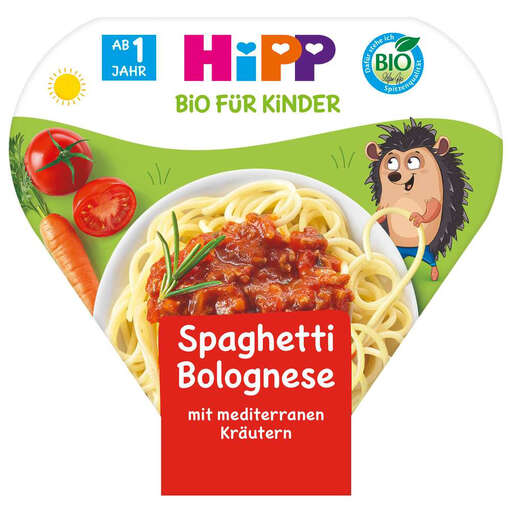
Why This Fits Their Persona: For parents who want to offer their toddlers a popular yet healthy and balanced meal. The practical heart-shaped bowl is ideal for on-the-go or when you need a quick meal.
It offers the taste of a classic dish but with a child-friendly recipe. The salt content is adjusted, and it contains no artificial flavours. The ingredients are steam-cooked to preserve nutrients and taste.
The convenient, microwave-safe bowl simplifies preparation and encourages independent eating. The composition is designed as a complete, balanced meal.
We have compiled a complete, up-to-date list of products that fully meet these strict selection criteria and German safety regulations.
The crucial clue is in the ingredient list. Look out for terms like concentrated fruit juice, agave syrup, glucose syrup, or fruit juice concentrate. If these are not listed, it's a product with no added sugar. Additionally, compare the "of which sugars" value in the nutritional table. A high value can indicate a large proportion of sweet fruit.
Once opened, any unheated leftovers should be sealed and stored in the refrigerator. As a rule, it can be consumed the next day (within 24 hours). For hygiene reasons, any leftovers that have already been heated should not be reused. Always follow the specific instructions from the manufacturer on the label.
The transition to chunky food is individual, but it usually happens between the 8th and 10th month. Signs include your baby being able to sit up well, showing interest in the family's food, and making their first chewing motions. Start with purees labelled "from 8 months" that contain very fine, soft pieces. Observe how your child manages before moving on to coarser textures.