
Lieferung heute & morgen

Qualitätsgarantie

Willkommens-Angebote freischalten: KOSTENLOSE Lieferung | Bis zu 80 % RABATT | Kostenlose 30-Tage-JoyPlus-Testphase
App herunterladen
The selection of organic baby food is vast and often overwhelming for parents. Everyone wants the best for their child, but marketing promises and a plethora of products make the decision difficult. As a Joybuy Product Recommendation Officer, I'll help you navigate the jungle of information and find the right food for your child, without falling for marketing hype.
Many products seem healthy at first glance, but a closer look often reveals hidden downsides. Pay special attention to these three points to avoid making poor choices:
To make an informed decision, you should focus on objective criteria. These three parameters will help you assess the quality of weaning foods and baby purées.
The ingredient list is your most important tool. It is ordered by quantity in descending order. Pay attention to the following points:
Your baby's diet should evolve as they grow.
In Germany, two seals are particularly relevant:
A seal guarantees a certain cultivation quality of the raw materials, but as described above, the final product quality depends on the subsequent processing.
Instead of making a blanket recommendation, we have selected products for typical requirement profiles.
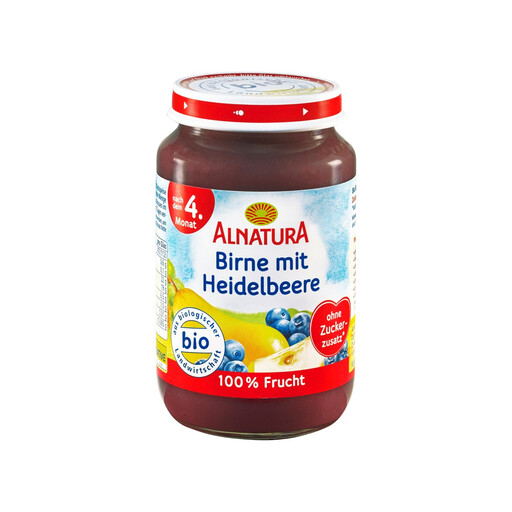
Why This Fits Their Persona: Ideal for parents starting their baby's first weaning journey. The simple recipe with just two fruit varieties and the fine purée texture are perfect for gently developing the baby's sense of taste and monitoring tolerance.
This product consistently avoids the sugar trap: it contains 100% organic fruit and no added sugar or fruit juice concentrates. The sweetness comes exclusively from the fruits themselves.
Very short and clear ingredient list (90% pears, 10% blueberries). Gluten-free and finely puréed for easy digestion.
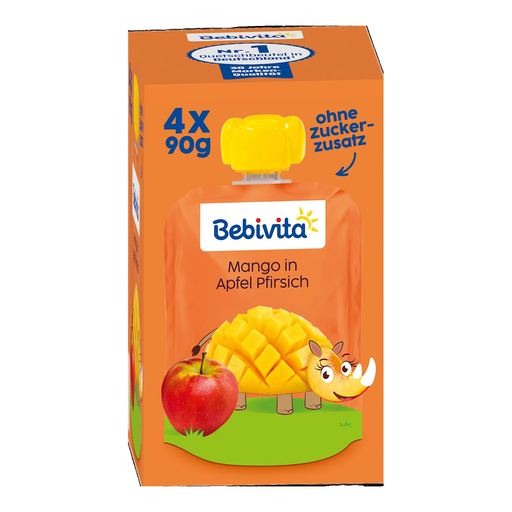
Why This Fits Their Persona: Perfect for active families who need a quick and easy snack for their toddler. The resealable packaging makes these baby and toddler pouches the ideal companion for outings.
The recipe consists of 100% fruit purée. It avoids any added sugar, flavourings, or concentrates. The ingredient list is transparent and short, allowing for a conscious choice.
Practical, resealable packaging. Gluten-free and dairy-free, making it suitable for many children.
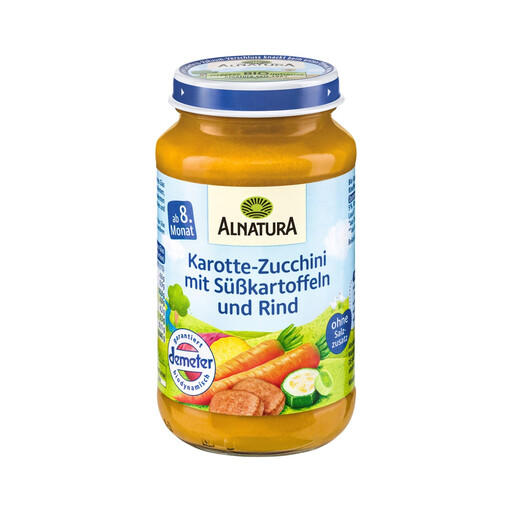
Why This Fits Their Persona: For parents looking for a complete and balanced meal for their baby as they transition to more solid foods. This menu offers a good combination of vegetables, carbohydrates, and animal protein.
The Demeter quality signifies high standards in cultivation. It strictly avoids added salt. The finely-chunked consistency is age-appropriate and encourages chewing without being overwhelming.
A balanced meal with beef as a source of iron. A high proportion of the ingredients comes from biodynamic agriculture.
We've compiled a complete, up-to-date list of products that fully meet these strict selection criteria and German regulations.
1. How can I really identify baby food with no added sugar? The most reliable way is to study the ingredient list. If it only lists vegetables, fruit, grains, meat/fish, and water, that's a good sign. Terms like "fruit juice concentrate," "thick juice," "glucose syrup," or "fructose" indicate added or concentrated sugars. Also, compare the sugar content in the nutritional table with that of pure, homemade purée.
2. How long does an opened baby food jar last? After opening, the unheated remainder of the jar should be stored, sealed, in the refrigerator. Most manufacturers recommend consuming the contents within 1 to 2 days. Always refer to the specific information on the product packaging. For hygiene reasons, any leftovers that have already been heated should not be reused.
3. Are baby food pouches bad for their teeth? Pouches are convenient, but constant sucking on the spout can increase the risk of cavities, as the teeth are continuously bathed in sugary fruit purée. It is recommended to squeeze the contents onto a spoon or have the child drink the pouch quickly, rather than letting them suck on it for an extended period. Regular dental care from the very first tooth is essential anyway.