
Lieferung heute & morgen

Qualitätsgarantie

Willkommens-Angebote freischalten: KOSTENLOSE Lieferung | Bis zu 80 % RABATT | Kostenlose 30-Tage-JoyPlus-Testphase
App herunterladen
Organic baby food can make the daily routine of introducing solids much easier. At the same time, parents are faced with a multitude of seals, age recommendations and marketing claims. A green label alone, however, tells you little about the texture, ingredient list, portion size or how practical it is to use.
Typical buying mistakes usually come down to three pitfalls:
For weaning from 5 months, finely puréed products with few ingredients are suitable, depending on your baby's development. A vegetable purée like carrot or pumpkin can make it easier to introduce single ingredients. From an older age, finely chopped or chunky meals become appropriate, as they require different oral motor skills.
The age recommendation on the jar is a guide. The information on the current packaging and your child's individual development are what really matter. If you are unsure about introducing new foods, it may be worth seeking advice from a paediatrician or a child nutrition specialist.
With an organic purée with no added sugar, the ingredient list should not contain any sugar, syrup or similar sweeteners. However, the "sugar" value in the nutrition table may still be present because fruit, milk or vegetables provide natural sugars.
Also look out for:
A multipack can reduce the unit price and how often you need to shop, but it only makes sense if your baby regularly eats that variety. So check the total quantity: six jars of 190 g are very different from six jars of 250 g.
Unopened jars should be stored according to the packaging instructions. Once opened, any unused, unheated leftovers should be kept sealed in the fridge and generally used up the next day. Leftovers that have already been heated should not be offered again. If you want to portion out home-cooked baby purée, you'll find more tips in our guide Freezing Baby Purée.
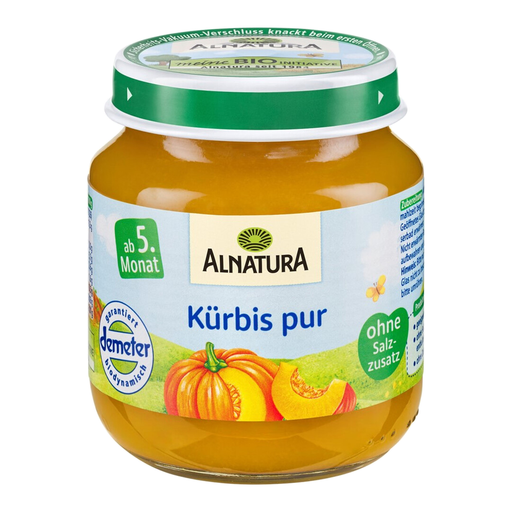
Why this product fits the profile: The 125 g jar with 95% organic pumpkin and water is ideal for parents looking for a simple recipe to start weaning.
The single main ingredient makes hidden blends and added sweeteners easier to spot. According to product information, no salt is added.
Demeter quality according to the product description, finely puréed texture and labelled from 4 months.
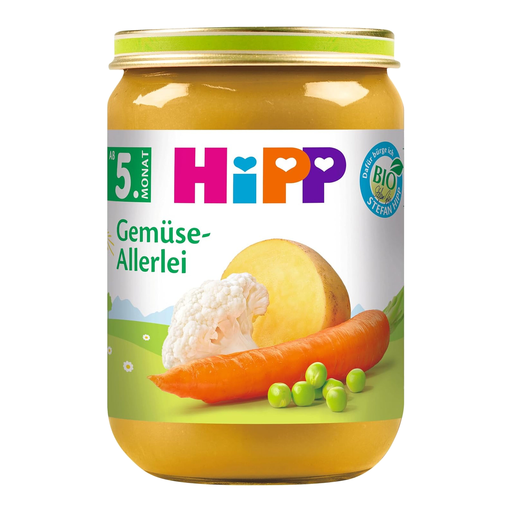
Why this product fits the profile: The six-pack combines a certified organic recipe with a vegetable selection of carrots, potatoes, cauliflower and peas.
The pack size is clearly stated: six jars of 190 g each. According to product data, the recipe contains no added salt, no gluten and no lactose.
73% organic vegetables according to the product description and a finely creamy vegetable preparation from the 5th month.
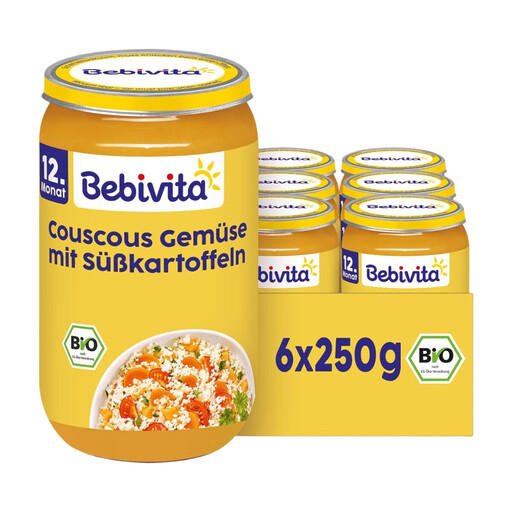
Why this product fits the profile: The six 250 g jars are designed for regular meals for toddlers from the 12th month.
The chunkier texture is explicitly described as age-appropriate. Allergens such as milk and wheat/gluten are listed in the ingredients.
EU organic-certified ingredients according to product information, 250 g portions and couscous with vegetables and sweet potatoes.
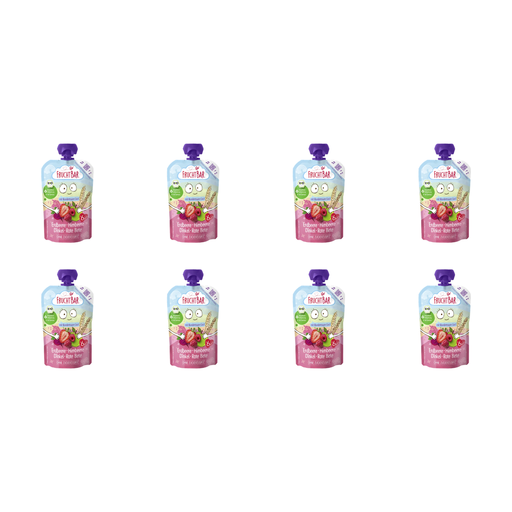
Why this product fits the profile: The resealable 100 g pouch is practical for trips and snacks, but should ideally be offered from a spoon under supervision.
The product information explicitly states "no added sugar". At the same time, the nutrition table shows 9.5 g of sugar per 100 g, mostly from the fruit.
Organic certification ES-ECO-019-CT, eight portions and resealable packaging according to the product description.
We've put together a full, regularly updated list of products that fully meet these strict selection criteria and the safety regulations in force in the EU.
Finely puréed single-ingredient products like carrot or pumpkin are often chosen to begin with. Some products are labelled as suitable from 4 months, others from 5 months. Always check the specific age recommendation and observe whether your child shows the necessary readiness for solids.
No. "No added sugar" means that no extra sugar has been added. Baby fruit purées and fruit-vegetable blends can still have a higher sugar content due to natural fruit sugars. To make the right choice, you need to read the ingredient list and the nutrition table together.
Unopened products remain good until the printed best-before date, provided they have been stored correctly. Once opened, any unused, unheated leftovers should be kept sealed in the fridge and generally used up the next day. The specific manufacturer's instructions on the jar take priority.