
Lieferung heute & morgen

Qualitätsgarantie

Willkommens-Angebote freischalten: KOSTENLOSE Lieferung | Bis zu 80 % RABATT | Kostenlose 30-Tage-JoyPlus-Testphase
App herunterladen
The range of organic baby food is vast: fruit purées in jars, cereal porridge, evening porridge, squeeze pouches and multi-packs are available in many varieties. For parents, however, the organic label alone isn’t the deciding factor. The age recommendation, ingredients list, allergens, type of sugar and pack size all influence whether a product fits your current weaning plan and daily routine.
As a Joybuy Product Recommendation Officer, I filter the most important details from product descriptions and organise them according to practical shopping situations.
In baby food with no added sugar, the sugars present come from fruit, milk or cereals. That doesn’t mean the product is sugar-free. A fruit purée made from apples, bananas, pears or grapes can still have a natural sugar content.
So always check the nutritional information table and the ingredients list. If you’re specifically looking for a product with no added sugar, terms such as sugar, syrup or sweetening ingredients should not appear on the list.
“Organic baby food from 4 months” isn’t automatically suitable for every child at that stage. Your baby’s individual readiness for weaning and the advice of your healthcare professional should be taken into account. What’s more, products differ significantly:
The age stage on the packaging should therefore always match the specific recipe.
Baby food in multi-packs can reduce the unit price and make stocking up easier. However, with small portions, changing taste preferences or a short shelf life after opening, a large supply can be impractical. Before buying, it’s worth checking the portion size, storage conditions and use-by date.
Ingredients are always listed in descending order. An Alnatura jar with pear and blueberry, for example, contains 90% organic pears and 10% organic blueberries according to the product information. With a fruit and cereal porridge, it should be clear what proportion of oats, spelt, millet or other cereals it contains.
Also look out for labelled allergens such as milk, wheat, oats, spelt or barley. This is particularly important when you’re introducing cereal porridge or milk products for the first time.
The EU organic logo or the German organic seal indicate certified production in line with the relevant regulations. Some products also carry Demeter, Bioland or other certification standards. For FruchtBar products, for example, the control code ES-ECO-019-CT is shown; some items mention EU or non-EU agriculture.
An organic label doesn’t replace comparing ingredients. Even organic products can have different fruit content, cereal types and packaging formats.
Jars are ideal for taking portions at home. Squeeze pouches are lightweight and resealable, but shouldn’t be left for your baby to suck on for extended periods. For all opened products, follow the manufacturer’s instructions. Examples from the selection:
The original packaging, best-before date and preparation instructions take priority over general recommendations.
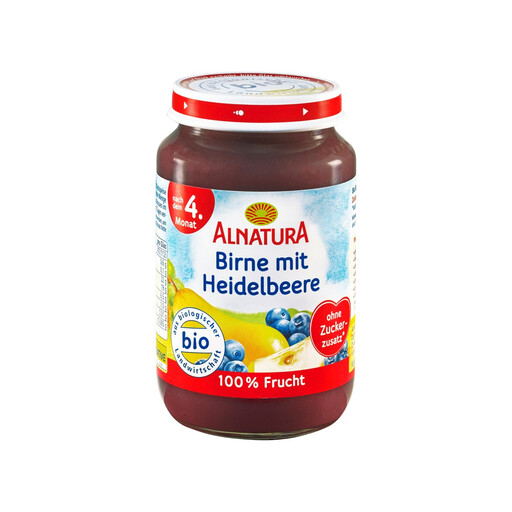
Why this product fits the profile: This finely puréed fruit jar contains 100% organic fruit according to the product information, of which 90% is pear and 10% blueberry. The 190 g portion is ideal for parents looking for a clearly straightforward ingredients list.
The ingredients list contains only pears and blueberries from organic farming. According to the product information, no sugar has been added and the product is gluten-free.
Labelled from 4 months, finely puréed, 190 g content and can be used for up to two days refrigerated after opening.
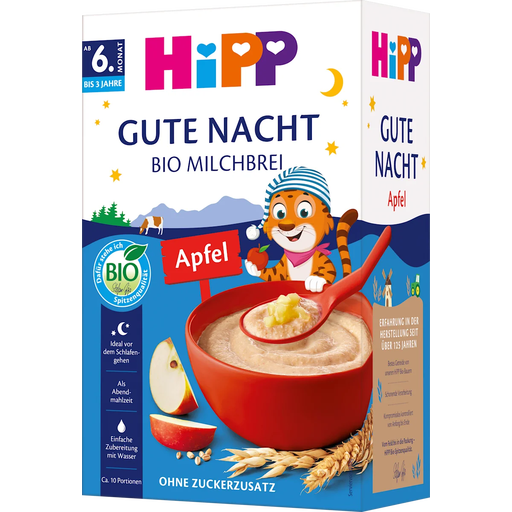
Why this product fits the profile: This baby cereal porridge combines milk, wholegrain oats, wholegrain wheat and apple according to the product information. It is prepared with freshly boiled water.
The age recommendation is stated as from 8 months in the product description. This means the recipe with milk and gluten-containing cereals can be matched precisely to your baby’s developmental stage.
475 g bulk pack, oat and wheat wholegrain, and according to the product information, no added sugar.
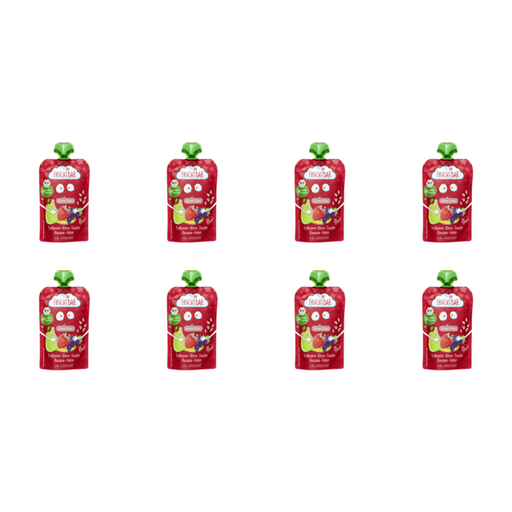
Why this product fits the profile: The 8-pack with resealable 100 g pouches is designed for on-the-go use and easy portion control. The product is suitable from 6 months according to the label.
The individual portions avoid opening a large jar for a small meal. The ingredients list shows 4% oats; according to the product information, no sugar is added.
800 g total quantity, 100 g portions, resealable packaging and certified organic ingredients according to the product information.
We’ve put together a full, regularly updated list of products that fully meet these strict selection criteria and the safety regulations in force in the EU.
Products labelled “from 4 months” are designated for this age group, including finely puréed fruit jars such as pear with blueberry. Your baby’s individual readiness for weaning, the ingredients and any potential allergens are also crucial. If you’re unsure, introduction should be discussed with a qualified healthcare professional.
That depends on the product. Many opened fruit jars and squeeze pouches must be refrigerated and used within two days. Other products state the next day or up to three days. Always follow the instructions on the label. Leftovers should not be offered again if the storage or consumption recommendation has been exceeded.
No. “No added sugar” means that no extra sugar has been added. Fruit, milk and cereal ingredients can naturally contain sugar. So compare the ingredients list and nutritional information, and pay attention to the relevant age stage.