
Lieferung heute & morgen

Qualitätsgarantie

Willkommens-Angebote freischalten: KOSTENLOSE Lieferung | Bis zu 80 % RABATT | Kostenlose 30-Tage-JoyPlus-Testphase
App herunterladen
Organic baby food in jars can make life easier during the weaning phase. At the same time, it’s worth taking a close look at the age recommendation, ingredients list and portion size. Terms like “natural”, “organic” or “no added sugar” don’t automatically tell you whether a product fits your individual weaning plan.
A fruit purée without added sugar can still contain naturally occurring sugar from apples, bananas or mangoes. That’s why, with a fruit-and-cereal purée, the full ingredients list is what really matters. Look out for phrases like “no added sugar” and also check the nutritional information for “of which sugars”.
Baby food from 5 months is usually finely puréed and designed for starting weaning. Baby food from 8 months, on the other hand, may have a lumpier texture to help your child gradually get used to different consistencies. The age label on the jar is the key guide. If you’re unsure, it’s best to discuss introducing new foods with your paediatrician or a nutritionist.
Baby meal multipacks are handy when you use one variety regularly. But if your baby eats small amounts or you like to switch recipes often, you could end up with jars left over. So before you buy, check the pack size, best-before date and storage instructions. A 6-pack with 190 or 220 grams per jar isn’t automatically the right stock-up quantity for every family.
For the start of weaning, finely puréed meals are often a good choice. A vegetable purée with meat – for example, with carrot, rice and turkey – can be a meal option from the fifth month, provided the product label confirms this. For older babies, finely textured recipes or combinations like pasta with vegetables are also suitable.
The texture should match your baby’s stage of development. With a product from 8 months, small, soft pieces are possible. That doesn’t mean every child will accept this texture straight away. Feed slowly and watch how your baby handles the consistency.
A short ingredients list makes selection easier, but it doesn’t replace checking each individual component. With HiPP Organic baby jars, depending on the recipe, you’ll find ingredients such as vegetables, rice, meat, fish, fruit or cereals. Some products contain wheat or oats and are therefore not suitable without caution for children with a corresponding allergy or intolerance.
With organic baby purée, you should also distinguish between:
“No added sugar” does not mean “sugar-free”. Likewise, “no salt” does not mean the product is sodium-free. The information on the individual packaging is what counts.
Jars of 190 grams are often suitable for single meals or part portions. A 220-gram jar may be right for larger appetites. Any leftovers that haven’t been heated should be stored in the fridge, sealed according to the manufacturer’s instructions, and usually used the next day. Portions that have already been heated or partly used should not be kept again, unless the label says otherwise.
Before feeding, check the jar for an undamaged seal and any visible issues. After heating, stir thoroughly; check the temperature before feeding.
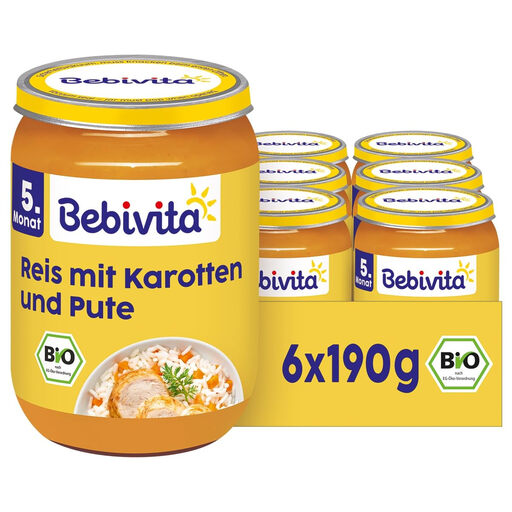
Why this product fits the profile: The 6 jars of 190 grams each offer a manageable stock-up quantity for families planning to start weaning from the fifth month.
The “from 5 months” label and the finely puréed recipe help avoid a texture that’s too coarse for beginners. According to the product information, the meal contains no added salt.
Carrots, rice and 8% turkey; EU organic logo and German organic seal according to the product description.
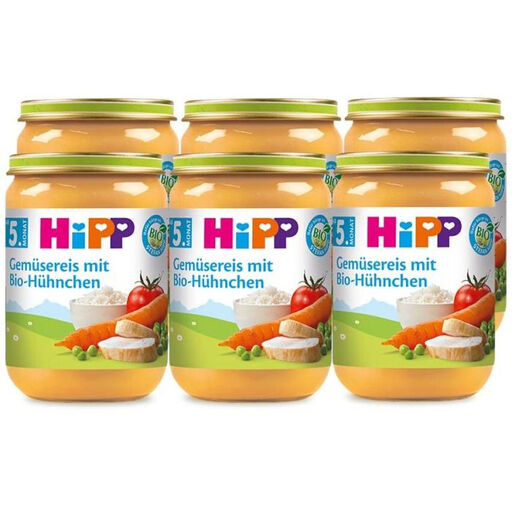
Why this product fits the profile: According to the product information, this meal is aimed at babies from 5 months and combines several organic ingredients in a 190-gram jar.
The ingredients list and age recommendation are clearly stated. According to the product description, no salt is added; artificial flavours, preservatives and colourings are not mentioned.
Carrots, rice, tomatoes, peas and organic chicken; no added salt according to the product information.
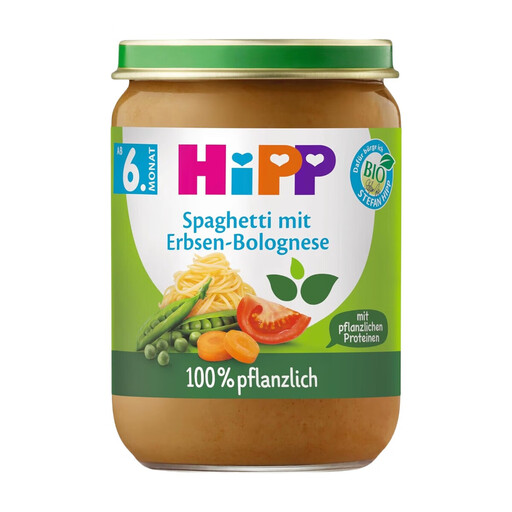
Why this product fits the profile: The plant-based recipe is suitable for households looking for a vegetarian baby purée or a plant-based meal.
The product information states 100% plant-based ingredients and no added salt. Wheat and gluten are present; possible allergens should be checked before purchase.
Peas and pea protein as plant-based protein sources; soft pieces according to the product description.
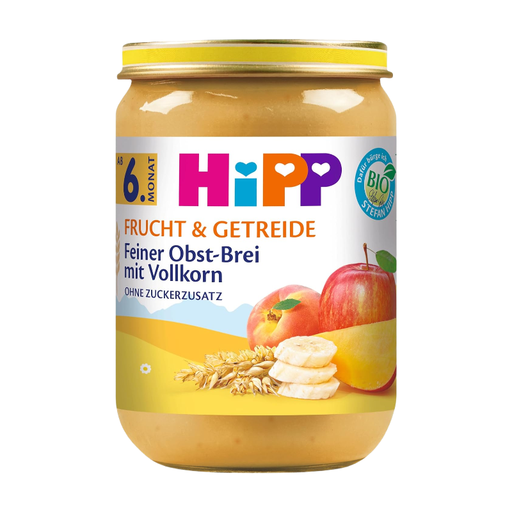
Why this product fits the profile: This fruit-and-cereal purée can be used as a snack for babies from 8 months and is ideal in a jar for trips or stocking up.
The product description mentions 100% organic fruit and no added sugar or sweetening fruit juice concentrates. Oats and wheat are present.
Apples, mango, banana and peach with wholemeal wheat and wholemeal oat flakes; 6 jars of 190 grams each.
We’ve put together a full, regularly updated list of products that fully meet these strict selection criteria and the safety regulations in force in the EU.
No. Fruit naturally contains sugar. A product can be made without added sugar and still show sugar in the nutritional table. Check the ingredients list and nutritional values together.
The exact time depends on the recipe and the manufacturer’s instructions. Leftovers that haven’t been heated should be stored in the fridge, sealed, and usually used the next day. Heated leftovers should not be offered again. Always follow the label.
The age recommendation is a guide for the intended weaning stage. Whether a particular meal – a vegetable purée with meat, a vegetarian baby purée or a fruit-and-cereal purée – suits your child also depends on their development, tolerance and individual advice. If there are allergies or uncertainties, parents should carefully check the ingredients list and seek medical advice.