
Lieferung heute & morgen

Qualitätsgarantie

Willkommens-Angebote freischalten: KOSTENLOSE Lieferung | Bis zu 80 % RABATT | Kostenlose 30-Tage-JoyPlus-Testphase
App herunterladen
The range of baby food is vast, and as a parent, you want only the best for your child. Especially with organic baby porridge, many manufacturers promise high quality. But the reality on the supermarket shelf is often confusing. Advertising claims can be misleading and tempt you to buy products that are not optimally suited to your baby's needs.
This guide will help you recognise the typical pitfalls and make an informed decision. We focus on the objective criteria that truly matter.
Common Pitfalls When Buying Baby Porridge:
To make a good choice, you should focus on three core parameters instead of being guided by marketing messages.
The most important source of information is the ingredients list. The ingredients are listed in descending order of their weight. Pay attention to the following points:
Different types of porridge are suitable depending on the time of day and the child's stage of development.
A baby's digestive system develops gradually. Therefore, the food should be adapted accordingly.
Based on the objective criteria mentioned above, we have compiled a selection of products for different needs and requirements.
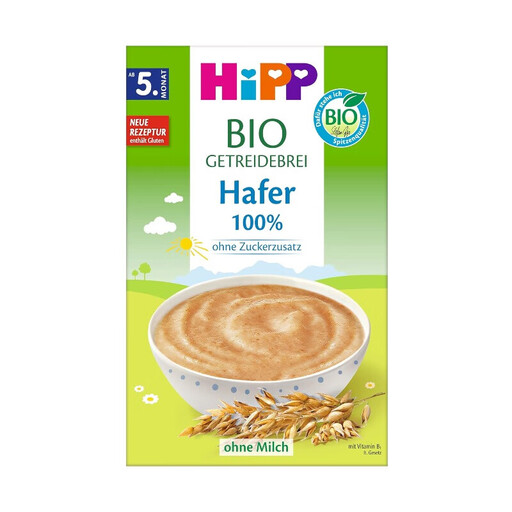
Why This Fits Their Persona: Ideal for starting solids. The recipe consists of just one ingredient—whole grain oat flour. This allows you to monitor tolerance carefully without overwhelming your baby with complex mixtures or hidden sugars.
This product consistently avoids the sugar trap, as it contains no added sugar or fruit-based sweeteners. It consists of 100% organic whole grain oat flour.
Flexible Preparation: Can be mixed with water, infant formula, or fruit purée. Pure Formula: Contains only organic oats and legally required Vitamin B1.
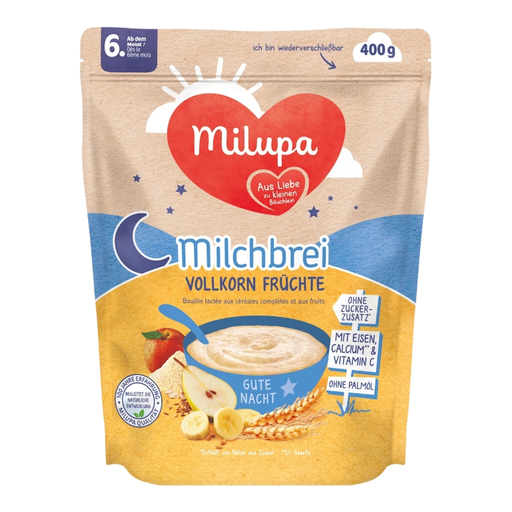
Why This Fits Their Persona: For parents looking for a complete and filling evening meal. This milk porridge combines whole grains with a milk component and is designed as a bedtime meal that only needs to be mixed with water.
According to the manufacturer, the porridge contains no added sugar. The sweetness comes from the included fruits (apple, banana, pear) and milk. The high whole grain content ensures long-lasting satiety.
Complete Meal: Already contains milk and only needs to be prepared with water. Nutrient-Rich: Provides iron, calcium, and Vitamin D, according to the manufacturer.
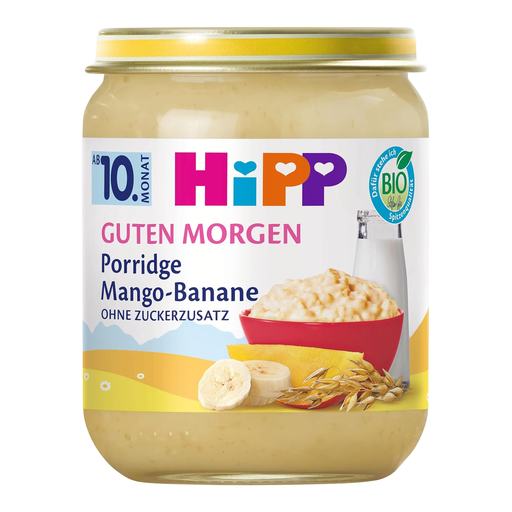
Why This Fits Their Persona: For parents who need a quick and easy meal for on the go or for a hectic morning. This porridge is ready-made in a jar and can be served cold or warm, offering maximum flexibility for daily life.
Despite its convenient ready-to-eat format, this product contains no added sugar or sweetening juice concentrates. The ingredients list is transparent and focuses on organic quality.
Maximum Convenience: Ready to serve immediately, no mixing required. Organic Quality: Made with organic milk and organic oat flakes for a wholesome meal.
We have compiled a complete, up-to-date list of products that fully meet these strict selection criteria and all relevant regulations.
The surest way is to check the ingredients list. Avoid products that list sugar, glucose syrup, fructose, maltodextrin, or fruit juice concentrates. Also, compare the value for "Carbohydrates, of which sugars" in the nutrition facts table. A low value (typically under 5g per 100g for pure cereal-milk porridges) is a good indicator.
Yes, this is a common practice. A pure cereal porridge (the kind you mix) forms the base. You can mix it with your baby's usual infant formula to create a custom milk porridge. Later, it can also be combined with water and some fruit purée to make a dairy-free cereal-fruit porridge.
A bedtime porridge is usually introduced as part of the weaning plan, often from the 6th month, after the baby has had some initial experience with a lunchtime purée. It is typically richer and more filling than other meals to support a longer period of sleep at night. However, always discuss the introduction of solids with your midwife or paediatrician.