People who prioritise organic and wholemeal
You want to buy organic baked goods and specifically prefer wholemeal. A dark colour or seeds on a bagel aren’t enough to tell you what it’s made from.


If organic ingredients are a priority when buying bagels, first check the labelling on the specific product, then look at its ingredients and nutritional information. Multigrain claims and visible seeds prove neither that a product is organic nor that it is wholemeal. If you prefer a softer texture, choose a suitable flour mix or bake your own with organic flour. If wholemeal is your main priority, look for an explicit wholemeal claim.
You want to buy organic baked goods and specifically prefer wholemeal. A dark colour or seeds on a bagel aren’t enough to tell you what it’s made from.
A lighter bagel is more likely to be eaten in your household, but you’re also open to one with cracked grains or seeds. In that case, the actual ingredients list matters more than the word ‘multigrain’.
You want to combine white flour and wholemeal flour yourself and choose the other ingredients. You’ll need suitable organic flours, as well as a recipe designed for bagels.
First decide whether a ready-made bagel or baking your own is a better fit for your shop. With ready-made baked goods, check the organic label and wholemeal claim separately.
A good fit if: organic ingredients and an explicitly stated wholemeal ingredient are your priorities.
The trade-off: An organic multigrain roll isn’t a wholemeal product just because it contains grains.
A good fit if: a familiar bagel base with cracked grains or seeds is more likely to go down well at home.
The trade-off: ‘Multigrain’ alone tells you nothing about organic status or wholemeal content.
A good fit if: you want to choose the balance of white flour and wholemeal flour yourself.
The trade-off: Making, shaping and baking the dough takes time. Choosing the flour doesn’t replace a suitable bagel recipe.
| Criterion | What to check | Who it matters to |
|---|---|---|
| Organic labelling | For pre-packed organic products, check for the EU organic logo and read the ingredients list. According to the Federal Office for Agriculture and Food, the logo is mandatory on pre-packed organic food. | I want to see that my breakfast baked goods are organic from the label, rather than relying on the colour and design of the packaging. Around 45% of consumers put organic status first. |
| Wholemeal, not just multigrain | Look for an explicit wholemeal claim and compare the ingredients and fibre content per 100 g. | If I want wholemeal, a bagel with seeds on the surface isn’t enough. For around 33% of consumers, clearly identifiable wholemeal content comes first. |
| Texture and choice of ingredients | For ready-made products, read the first ingredients and allergen information. If you’re baking your own, choose flours that suit the recipe and allow time for preparation. | At home, the bagel needs to work for us in terms of taste and texture, so I want to be able to assess the flour mix and other ingredients. Around 22% of consumers put this practical fit first. |
A bagel can contain cracked grains and seeds yet still be made mostly from white wheat flour. The word ‘multigrain’ doesn’t confirm that it’s organically produced either.
Check the organic label and ingredients separately. If wholemeal is your priority, also look for an explicit wholemeal claim and compare the nutritional information per 100 g.
An organic label doesn’t mean a bagel is free from gluten or other allergens. Ingredients and possible traces vary from product to product.
If you have an allergy or coeliac disease, the current labelling on the specific product is what matters. Check the warnings about possible traces too.
A wholemeal bagel isn’t much use if nobody at home likes its texture. Equally, a multigrain option that everyone accepts doesn’t make it any less important to check its organic status and ingredients.
Compare ready-made options by their actual ingredients, or, if you’re baking your own, choose a flour mix that suits your taste and the recipe.
EDEKA notes that one of its organic baked goods may not be available in every store; ALDI Nord says promotional products are available in limited quantities.
Check the range at your chosen store before you shop. If you’re planning to bake your own, check the labelling on the specific flour product too.
A place to look for organic baked goods as an alternative to ready-made bagels.
Organic baked goods and bagel recipes offer different options for shopping and baking at home.
Organic flours may be suitable for baking recipes you put together yourself.
Another option to consider for organic wholemeal flour for home baking, rather than ready-made organic bagels.
This selection includes flours to use as ingredients in homemade bagels, not ready-made bagels. The flour types listed distinguish the products; you’ll need a suitable recipe to make the mix you want with wholemeal flour and prepare the dough.
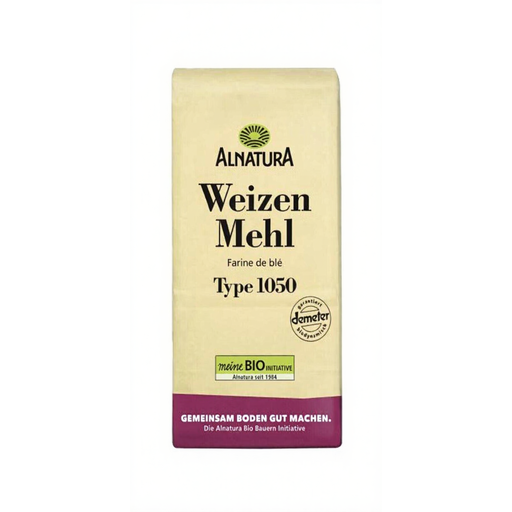 Image unavailable
This could work as a flour ingredient if you want to put together your own mix for a baking recipe.
Wheat flour, Type 1050, in a 1 kg pack; the type designation alone doesn’t identify it as wholemeal flour. Check the organic and allergen labelling on the pack.
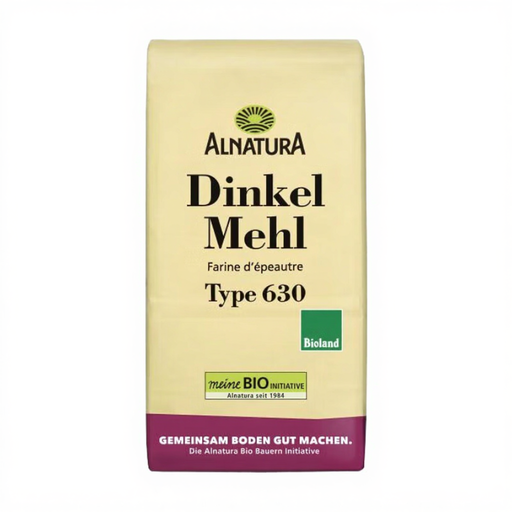 Image unavailable
This spelt flour could work as a flour of your choice when making bagel dough from a suitable recipe.
Spelt flour, Type 630, in a 1 kg pack; the type designation doesn’t indicate that it’s wholemeal. Check the organic and allergen labelling on the pack.
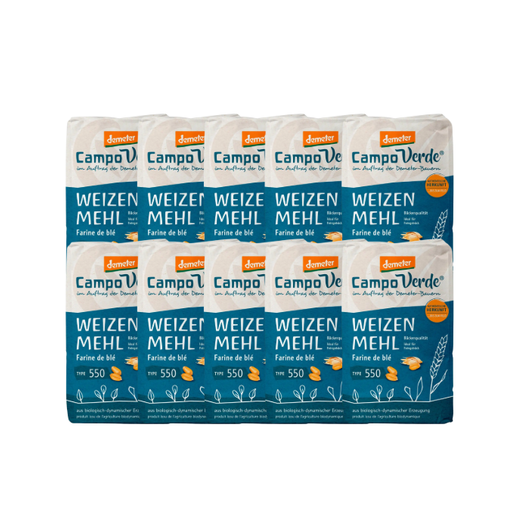 Image unavailable
This wheat flour is an option if you’re choosing the ingredients for your own baked goods and need the pack quantity listed.
Wheat flour, Type 550, supplied as 10 × 1 kg; Type 550 isn’t a wholemeal designation. Check the organic and allergen labelling on the specific pack.
For a pre-packed organic bagel, the EU organic logo is an important thing to look for: according to the Federal Office for Agriculture and Food, it’s mandatory on pre-packed organic food. Also check the information on the specific pack; multigrain claims, seeds and green packaging don’t replace organic labelling.
No. The word ‘multigrain’ doesn’t confirm that a product is wholemeal or organic. REWE’s Smashed Best Taste multigrain bagel lists wheat flour as its first ingredient, followed by cracked grains and seeds. If wholemeal matters to you, check for an explicit claim and read the ingredients list; check organic status separately.
No. Organic labelling doesn’t mean a product is free from gluten or other allergens. If you have coeliac disease or allergies, check the ingredients and allergen information for the specific bagel, including any relevant warnings about traces.
Follow the preparation instructions on the pack, as they apply to that specific product. For example, REWE recommends heating its ja! sesame bagels for around five minutes at 180 °C using top and bottom heat; this guidance may not apply to other bagels.