
Lieferung heute & morgen

Qualitätsgarantie

Willkommens-Angebote freischalten: KOSTENLOSE Lieferung | Bis zu 80 % RABATT | Kostenlose 30-Tage-JoyPlus-Testphase
App herunterladen
For the health-conscious eater, beans are a pantry non-negotiable. They are a staple in cuisines worldwide, a cornerstone of plant-based diets, and a nutritious pantry essential. But the options are vast: dried or ready-to-eat, for Mexican or Asian cuisine, as a base for salads, or for sprouting.
This article serves as your guide to buying organic beans. We'll introduce different types of beans and their typical uses, giving you a clear overview to help you make the perfect choice for your needs.
Choosing the right bean depends on your dish, your available time, and your personal preferences. Three criteria will help you decide.
The form factor is a crucial consideration for preparation.
Each type of bean has unique characteristics that make it ideal for specific recipes.
An organic seal, such as the EU organic logo, ensures that the beans have been grown according to organic farming standards. This generally means the avoidance of synthetic pesticides and chemical fertilisers. When you buy legumes online, you can view the exact certification and country of origin in the product information.
Based on the criteria mentioned, we have compiled a selection of organic beans that cater to different culinary needs.
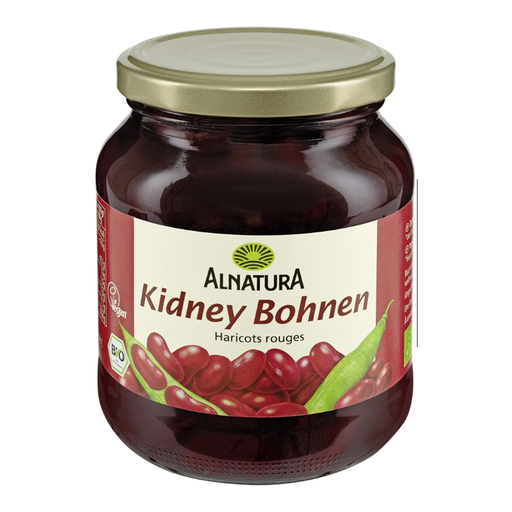
Why they stand out: These kidney beans from Alnatura are ready-to-eat and come from organic farming. Their creamy-soft texture and slightly sweet taste make them a versatile ingredient for quick, savoury meals. The glass jar packaging is a common alternative to a tin can.
Advantages:
Best for: People looking for a quick and uncomplicated ingredient for everyday cooking. Ideal for preparing Mexican dishes, wraps, or as a protein-rich addition to salads.
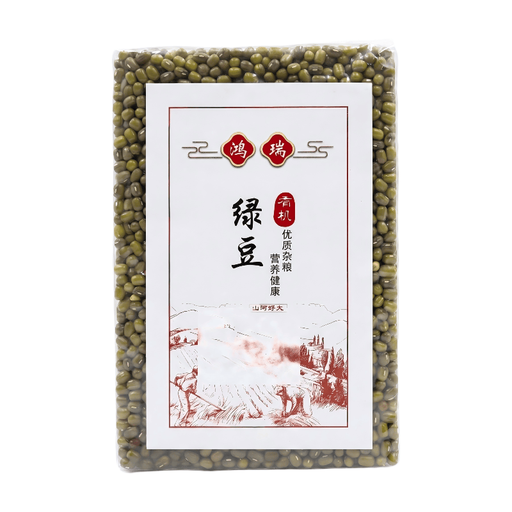
Why they stand out: These dried organic mung beans are a staple of Asian cuisine. They are not only a base for soups and stews but are also excellent for growing fresh sprouts at home.
Advantages:
Best for: Cooks with an interest in Asian cuisine, health-conscious individuals who want to grow their own vegan protein source (sprouts), and anyone who likes to maintain a well-stocked pantry.
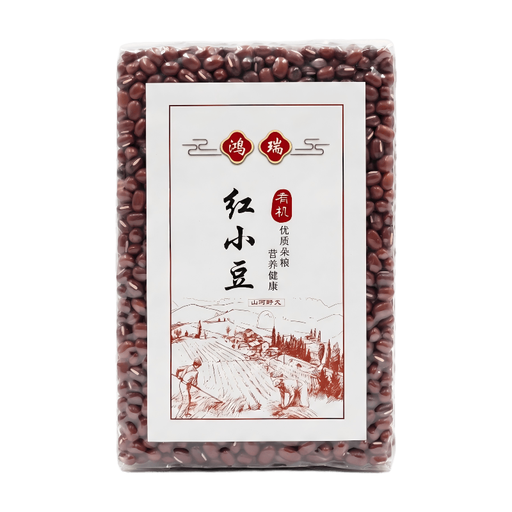
Why they stand out: These small, red beans, also known as organic adzuki beans, are the traditional base for sweet red bean paste. Their nutty-sweet aroma makes them a special ingredient that shines in both desserts and savoury dishes like rice bowls or salads.
Advantages:
Best for: Fans of Japanese, Chinese, and Korean cuisine who want to prepare authentic desserts. Also suitable for adventurous cooks looking to enrich their dishes with a new, nutrient-dense ingredient.
The world of legumes is vast and diverse. If you are looking for other varieties, special preparations, or different package sizes, you can find a wider selection of products in our category.
Discover more Peeled Beans in our assortment.
Most dried beans should be thoroughly rinsed under cold water before cooking. A soaking time of 4 to 8 hours (or overnight) in plenty of water shortens the subsequent cooking time and can improve digestibility. After soaking, drain the water, rinse the beans again, and cook them in fresh water. The cooking time varies depending on the variety and soaking duration, ranging from 30 to 90 minutes.
Beans are an excellent vegan protein source and are rich in fibre, vitamins, and minerals. They contain many, but not all, essential amino acids in sufficient quantities. By combining them with grains like rice, quinoa, or whole-wheat bread, you create a complete amino acid profile that provides the body with all the necessary protein building blocks.
No, not all beans are equally well-suited. Smaller beans like mung beans or lentils sprout quickly and reliably. Larger beans, especially kidney beans, contain phasin in their raw state, a protein compound that is indigestible for humans. They should therefore never be eaten raw or as just a sprout, but always be cooked through completely.