
Lieferung heute & morgen

Qualitätsgarantie

Willkommens-Angebote freischalten: KOSTENLOSE Lieferung | Bis zu 80 % RABATT | Kostenlose 30-Tage-JoyPlus-Testphase
App herunterladen
Transitioning to solid food is a significant milestone for your baby and for you as parents. Starting solids with carrots is a classic choice, as this root vegetable is mild, slightly sweet, and generally easy to digest. However, the market for organic carrot puree for babies is vast, and the choices can quickly become overwhelming. Many products make health claims, but not all deliver on their promises.
This guide will help you navigate the common pitfalls of purchasing baby food and make an informed decision that meets your child's needs.
Finding your way through the supermarket aisle or online shop isn't always straightforward. Marketing claims can be confusing. Here are three points that require special attention when selecting carrot baby food jars.
To ensure you choose the right product, you should check three core parameters before making a purchase.
A short and understandable ingredient list is often a sign of a high-quality product. The ideal first baby puree consists of just a few components.
Manufacturers provide an age recommendation on every product. This is an important indicator of the puree's consistency.
For baby food, the requirements for contaminant controls are generally very strict. An organic seal provides additional assurance regarding cultivation methods.
Based on these objective criteria, we have compiled a selection of products suitable for various requirements and lifestyles.
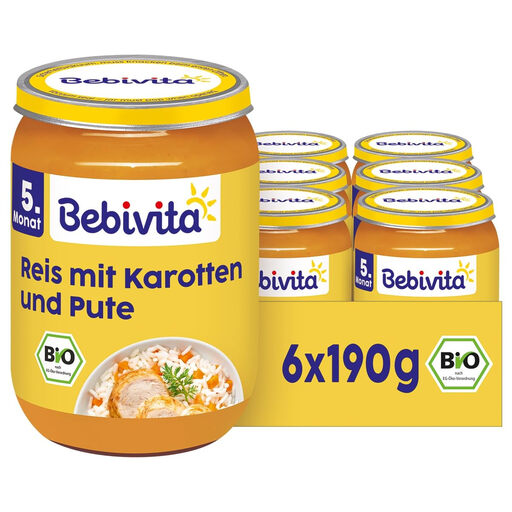
Why it's a match: Ideal for parents who want certified organic quality when starting solids but also need to keep an eye on their budget. The finely pureed consistency is perfectly tailored to the needs of babies from 5 months.
The product consistently avoids added salt. The ingredient list is short and transparent, so there is no risk of hidden additives.
Offers EU-certified organic ingredients and an age-appropriate, mild recipe at an accessible price point.
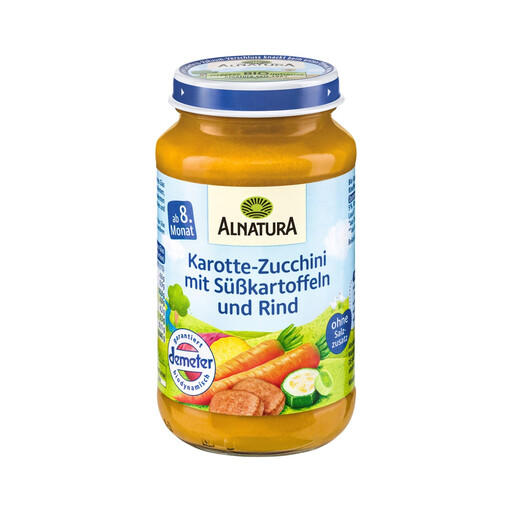
Why it's a match: For parents who prioritise the highest organic standards. The Demeter certification ensures that the ingredients come from biodynamic agriculture, which goes beyond EU organic requirements.
This product tackles the "unclear organic quality" pitfall by featuring the Demeter seal, one of the strictest standards for organic farming.
Uses ingredients from biodynamic farming. The finely chopped texture is designed for babies from 8 months and helps them learn to chew.
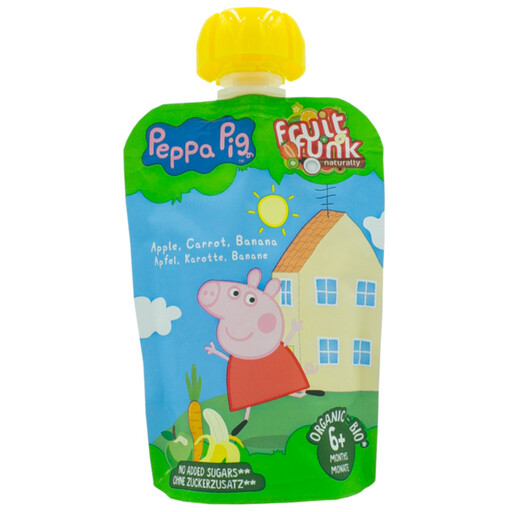
Why it's a match: The squeezy pouch is an extremely practical solution for outings or when you need a quick meal. It requires no extra cutlery and makes for a hassle-free snack.
This puree avoids the sugar trap by being made of 100% organic fruit and vegetables with no added sugar. The sweetness comes entirely from the fruit itself.
Maximum portability and ease of use. The product is EU-certified organic and vegan.
We have compiled a complete, up-to-date list of products that fully meet these strict selection criteria and safety regulations.
The recommended time to start solids is typically between the beginning of the 5th and the end of the 6th month of life. The World Health Organization (WHO) recommends exclusive breastfeeding for the first 6 months. However, the exact timing is individual and should depend on your child's developmental readiness (e.g., holding their head up, showing interest in food). It is advisable to discuss this with your paediatrician or midwife beforehand.
For the very beginning, it is often recommended to start with a single vegetable, such as pure carrot puree. This allows your baby to get used to the new taste and makes it easier for you to identify any potential intolerances. After a few days, another ingredient like potato can be added to make the meal more filling. Carrot and potato puree is a classic and well-tolerated combination for the second stage of introducing solids.
You can recognise a high-quality carrot baby food jar by several features: a very short ingredient list without unnecessary fillers, the explicit absence of added sugar and salt, a clear organic certification (at least the EU organic seal), and a consistency that matches the recommended age. A soft "pop" when opening the lid for the first time also signals that the vacuum seal was intact.