What should you look for when buying?
Start with the organic label and the participants’ requirements. Then compare the ingredients in each specific product and plan how many individually distributable bars you need.
| Criterion |
What to check when buying |
Who it matters most to |
| Organic labelling |
Check the pack for the EU organic logo, the control body code and the indication of origin. |
If I want the Easter egg hunt treats to be specifically organic, I want to be able to check the label on the product being handed out. For around 31% of consumers, this proof comes first. |
| Sugar and ingredients |
Compare the sugar content in the nutrition information per 100 g and look out for sweetening ingredients in the ingredients list. |
When choosing between several varieties, I want to see how their recipes differ, rather than assume that an organic label tells me anything about their sugar content. Around 31% of consumers prioritise this comparison. |
| Allergens and dietary requirements |
Check the labelling of each variety against the participants’ requirements, and look out for ‘may contain’ warnings too. |
If someone needs to avoid certain ingredients, what matters to me is that the variety I choose meets their specific requirements. This is the main buying consideration for around 23% of consumers. |
| Portioning and shopping |
Check the number of bars and whether they are individually wrapped; confirm where to buy the chosen variety before shopping. |
For several hiding places, I want to plan enough treats that can be handed out separately. Around 15% of consumers put this practical planning first. |
Relevant brands to help you choose
The following examples show which details may be relevant when choosing specific organic bars from REWE, EDEKA and ALDI SÜD for an Easter egg hunt. The specific variety is what matters in each case.
REWE Bio
The REWE Bio range includes oat and chocolate bars, date and peanut bars, and flapjacks.
- The different recipes give you a starting point for comparing ingredients, portion sizes and labelling.
- Check the organic, vegan and allergen information on the pack for the variety you choose.
EDEKA Bio
EDEKA describes organic crunchy bars in nut mix and sesame varieties, each in a pack of 3 × 25 g.
- The product details list the ingredients, nutrition information and allergens for each variety.
- The nut mix contains peanuts and almonds, while the sesame variety contains sesame and honey. EDEKA recommends checking the details against the pack.
NUR NUR NATUR
The ALDI SÜD brand sells organic wholegrain oat bars; its chocolate variety is labelled vegan and comes in a 3 × 35 g pack.
- The chocolate variety’s dietary suitability and portion size are clearly stated.
- ALDI SÜD lists 24 g of sugar per 100 g for this variety. The vegan label does not indicate its sugar content.
GUT BIO
The ALDI SÜD brand sells an organic nut mix crunchy bar labelled gluten-free and lactose-free.
- For the nut mix variety, ALDI SÜD lists nutrition information per 100 g, including 20.3 g of protein and 7.7 g of fibre.
- The label applies to this variety. Check its ingredients, allergens and availability before shopping.
Cereal bars at Joybuy
These cereal bars and oat flapjacks are worth considering if you’re looking for snack options that can be portioned out. However, the pack size alone won’t tell you whether each bar is individually wrapped. Check this before handing them out, along with the organic labelling, ingredients and allergens.
 No image available
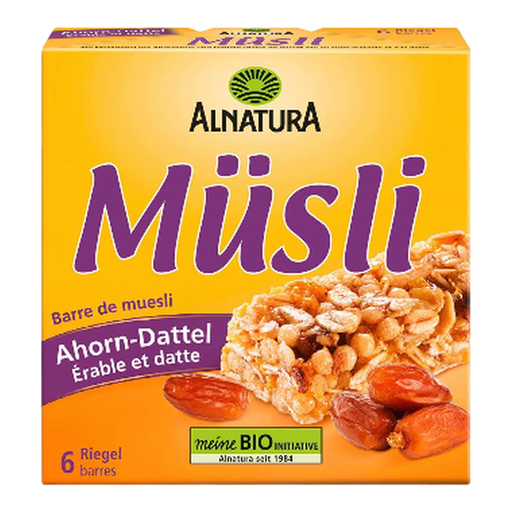
Alnatura organic maple and date cereal bars, 6 × 25 g
The pack contains six bars weighing 25 g each, which can help you plan for several hiding places. Check whether the vegan product is suitable for your group and whether each bar is individually wrapped. Check the organic labelling, ingredients and nutrition information against the pack.
View at Joybuy
 No image available
Alnatura organic blueberry oat flapjack, 60 g
This 60 g bar could be a good choice if you want to use an individual oat flapjack as a treat to find. If there are several participants, you’ll need to plan the number of bars and whether each one is wrapped separately. Check the vegan information, ingredients and allergens on the pack.
View at Joybuy
 No image available
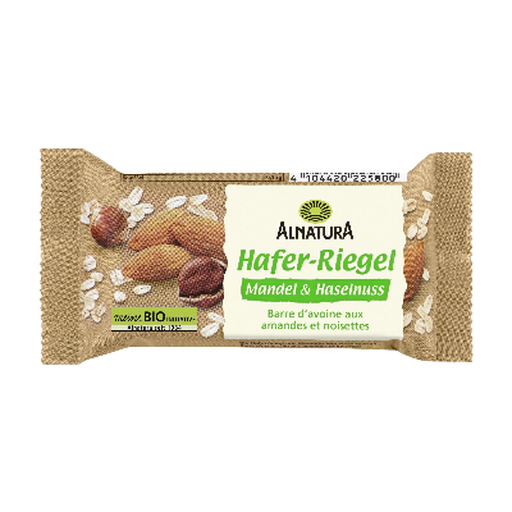
Alnatura organic almond and hazelnut oat flapjack, 60 g
This 60 g flapjack is an option if almonds and hazelnuts are suitable for everyone taking part; it isn’t suitable for anyone with an allergy to either. For your Easter egg hunt, check whether the bar is individually wrapped and check the organic and allergen information on the pack.
View at Joybuy
 No image available
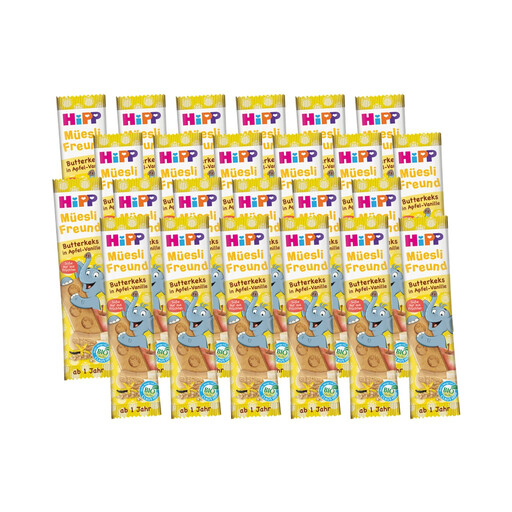
HiPP organic butter biscuit apple and vanilla cereal bars, from 12 months, 24 × 20 g
The pack contains 24 bars weighing 20 g each, which could help you plan for lots of treats, but doesn’t tell you whether they’re individually wrapped. The age recommendation is ‘from 12 months’; young children should only eat the bar under supervision, and not while walking or lying down. Check the ingredients, nutrition information and organic labelling on the pack.
View at Joybuy
Frequently asked questions
How can I recognise the organic label on a cereal bar?
Check the actual pack for the EU organic logo and the accompanying details about the control body and origin. The European Commission explains that the logo may only be used on products whose organic production has been certified by an approved control body.
Are organic cereal bars automatically low in sugar?
No. The organic label doesn’t tell you whether a product is low in sugar. Compare the nutrition information per 100 g for the specific varieties you’re considering; according to the Verbraucherzentrale, honey, syrups and fruit ingredients can also contribute to the sugar content.
Are ‘gluten-free’ or ‘lactose-free’ labels enough if someone has an allergy?
No, these labels don’t rule out other allergens. For example, EDEKA’s organic nut mix crunchy bar is described as gluten-free and lactose-free, but contains peanuts and almonds. Check the ingredients and ‘may contain’ warnings for each variety against the specific requirements.
Is the information in the shop enough to plan an Easter egg hunt?
Use it to shortlist products, then check the actual pack before handing out the bars, particularly for individual wrapping, ingredients and allergens. EDEKA notes that the details shown may differ from those on the packaging, and that not every variety is available in every store.


