Families who prioritise organic food
If you’re buying bars for several members of your household, you’ll want to be able to check the organic certification on the specific pack, rather than relying solely on wording in the product name.


Organic cereal bars can be a good choice for your family cupboard, provided the organic certification on the specific pack is clear and the ingredients, allergens, bar size and quantity suit your household. The EU organic logo alone tells you nothing about sugar content or whether a product is suitable for someone with an allergy. So before buying several packs, it’s worth checking the ingredients list and nutritional information.
If you’re buying bars for several members of your household, you’ll want to be able to check the organic certification on the specific pack, rather than relying solely on wording in the product name.
For school, work and days out, it’s not just the total pack weight that matters, but also the number and size of the individual bars. This helps you work out how long a pack will last in your household.
If certain ingredients need to be avoided, the current ingredients list, highlighted allergens and possible traces are more important than a general organic claim. You’ll also need to check the specific product to see which sweeteners it contains.
First, check the organic certification and the ingredients for the particular variety. Then compare the pack size and number of bars with how much your household is likely to use.
| Criteria | What to check | Who it matters to |
|---|---|---|
| Organic certification | Check the pack for the EU organic logo, inspection body code and country of origin. | When I stock up on organic bars for my family, I want to be able to check the certification for myself. This is a priority for around 36% of consumers. |
| Pack size | Compare the net weight, number of bars and weight per bar. | For several lunchboxes and days out, I need a pack size that suits my family’s needs. This is a top priority for around 29% of consumers. |
| Ingredients and allergens | Read the ingredients list, sugar per 100 g, and allergen and trace information for the specific variety. | If anyone in my household needs to avoid certain ingredients, I want to check every variety before stocking up. I’m also interested in the sweeteners used. This is the main consideration for around 21% of consumers. |
| Portion and taste | Choose the bar size and variety to suit the needs of everyone in your household. | If several people are sharing the cupboard, the size and flavour should suit them all for everyday snacking. Around 14% of consumers put this need first. |
According to the European Commission, use of the EU organic logo is subject to certification. Germany’s Federal Ministry of Agriculture, Food and Regional Identity notes that it is compulsory for pre-packed, organically produced food from the EU. To compare sweeteners, it’s also worth checking the ingredients list: the German consumer advice centre Verbraucherzentrale lists ingredients such as syrup, honey, fruit juice and dried fruit as potential contributors to sugar content.
Organic certification doesn’t tell you how much sugar a product contains. As the Verbraucherzentrale explains, syrup, honey, fruit juice and dried fruit can all contribute to the sugar content.
Compare the sugar per 100 g in similar bars and read the full ingredients list.
Packs of the same overall size can contain different numbers of bars or different portion weights. So total pack weight isn’t the only thing to consider when stocking up for the family.
Check the net weight, number of bars and weight per bar before planning to buy several packs of the same variety.
An organic sesame crunchy bar described by EDEKA contains sesame and may contain traces of peanuts and nuts. Organic certification therefore doesn’t replace checking the ingredients of the specific product.
For every variety, check the current packaging for ingredients, highlighted allergens and trace information.
The flavour and portion size need to suit the people who’ll be eating the bars. EDEKA also notes that its range may vary from one store to another.
Try a smaller quantity first, and check what’s available at your local store before buying more.
These examples showcase a range of organic products and bar types. Whether a particular variety is right for your family cupboard depends on the certification and details for that specific product.
REWE’s organic own-brand range includes oat and chocolate bars.
EDEKA stocks organic snacks, including a sesame crunchy bar. A crunchy bar isn’t necessarily a cereal bar.
ALDI SÜD lists vegan organic wholegrain oat bars from NUR NUR NATUR in several varieties, in 105 g packs.
ALDI SÜD describes ALDI BIO as its organic own-brand range and says its products meet at least the requirements of the EU Organic Regulation.
Lidl describes a general organic range.
This selection includes a multipack of cereal bars and two oat flapjacks with an organic claim in the product name. For your family cupboard, the key things to check are the organic certification, ingredients and pack size offered for each specific product.
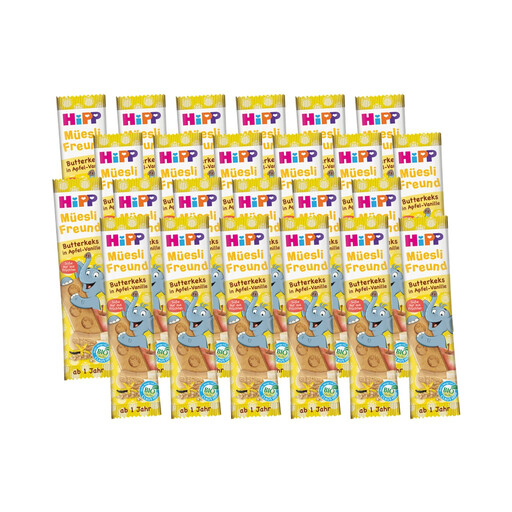 Image unavailable
This multipack is handy for stocking up on individually portioned snacks for the family.
24 bars at 20 g each; the product name describes this variety as suitable from 12 months. Give to young children only under supervision.
Before buying, check the organic certification, ingredients, nutritional information and allergen details on the pack.
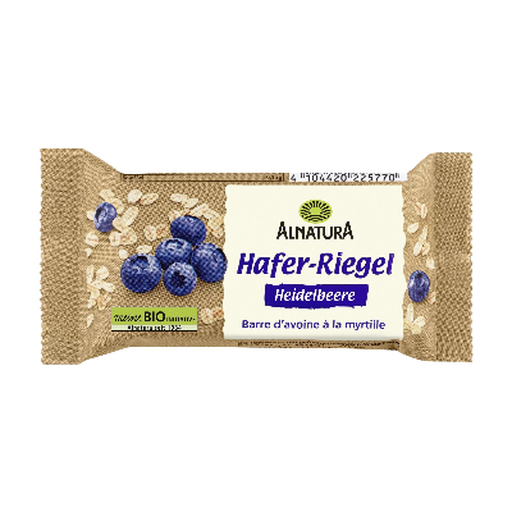 Image unavailable
The blueberry variety could make a handy snack on the go. If you’re stocking up for the family, check the pack size available.
An oat flapjack weighing 60 g, with an organic claim in the product name. Check the organic certification and, if you have any intolerances, the ingredients and trace information on the pack.
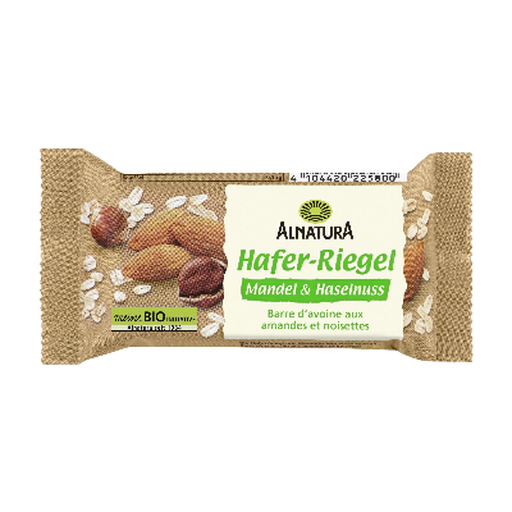 Image unavailable
The nut variety could make a handy snack on the go, provided almonds and hazelnuts are suitable for everyone who’ll be eating it.
An oat flapjack weighing 60 g, with an organic claim in the product name. Before stocking up, check the pack size, organic certification and full allergen information.
For pre-packed organic food from the EU, the EU organic logo is an important indicator: Germany’s Federal Ministry of Agriculture, Food and Regional Identity says it is compulsory for these products. Also check the specific pack for the inspection body code and the country of origin of the agricultural ingredients.
No. Organic certification doesn’t tell you how much sugar a product contains. The Verbraucherzentrale notes that ingredients such as syrup, honey, fruit juice and dried fruit can also contribute to the sugar content. Compare the nutritional information for sugar per 100 g and read the ingredients list.
No. If you have an allergy, it’s the information for the specific variety that matters. An organic sesame crunchy bar described by EDEKA contains sesame and may contain traces of peanuts and nuts. Check the current packaging before buying.
Plan your supply around the number of bars, portion weight and varieties that everyone is actually likely to enjoy. Trying a smaller amount of each variety will help you judge the taste and portion size before buying several packs.