Shoppers who check organic certification
You want to choose an organic bar to take with you, so you check the EU organic logo, inspection body code and origin of the ingredients on the packaging instead of relying on terms such as ‘natural’.


An organic bar could be a good choice for your gym bag if the organic certification on the packaging is verifiable and the portion size, ingredients and nutritional values suit the snack you have in mind. ‘Organic’ tells you nothing about sugar content, whether a bar is gluten-free or vegan, or whether it is suitable for people with particular allergies. For those details, check the labelling on the specific product.
You want to choose an organic bar to take with you, so you check the EU organic logo, inspection body code and origin of the ingredients on the packaging instead of relying on terms such as ‘natural’.
You compare the sugar and carbohydrate content per bar. Syrup, dried fruit and chocolate can all contribute to the sugar content, as the Verbraucherzentrale explains when discussing sweetening ingredients.
You need a product specifically labelled gluten-free or vegan, or you have to avoid certain allergens. The ingredients and information on the individual pack are what matter.
First, check the organic certification and any essential requirements relating to ingredients and allergens. Then compare the nutritional values per bar. A small oat bar and a larger flapjack have different portion sizes, so you can’t judge them by the front of the pack alone.
| Criteria | What to check | Who is it relevant to? |
|---|---|---|
| Organic certification | Check the EU organic logo, inspection body code and origin of the agricultural ingredients on the pack. | If you specifically want to pack an organic bar, look for verifiable certification rather than a product name that simply suggests it is natural. For around 31% of shoppers, this proof is a priority when choosing. |
| Sugar and portion size | Compare the sugar content per bar and check the sweetening ingredients in the ingredients list. | If you only want a small snack, the amount of sugar in the portion you actually eat makes a difference. Around 25% of shoppers mainly consider sources of sugar and portion size when choosing. |
| Allergens and dietary requirements | Check highlighted allergens, may-contain statements and any required gluten-free or vegan labelling. | If you need to avoid certain ingredients, you can’t rely on the organic claim or the name of the bar. For around 25% of shoppers, allergens or a specific diet take priority. |
| Snacking around your workout | Match the weight, carbohydrates and energy per bar to how you plan to use it. | Before a short workout, you may only want a small portion, while a longer session can call for something different. Around 19% of shoppers put their planned training activity first when choosing. |
Organic certification and sugar content describe different things. According to REWE, its REWE Bio Oat & Chocolate Bar contains 10.3 g of sugar per 35-g bar. Sweetening ingredients such as syrup and dried fruit should also be included in your comparison.
Read the ingredients list and compare sugar, carbohydrates and energy per portion you’ll actually eat.
A bar labelled organic or vegan may still contain allergenic ingredients or carry a may-contain statement. For example, REWE says its REWE frei von Organic Oat Bar with Fruit may contain traces of peanuts and tree nuts.
For every product, check the full ingredients list, highlighted allergens and may-contain statements.
REWE lists its Organic Berry Flapjack as 60 g and 229 kcal per bar; its Organic Oat & Chocolate Bar weighs 35 g and, according to REWE, provides 144 kcal per bar. Comparing values per 100 g alone doesn’t tell you how much you’ll actually pack and eat.
Use the nutritional values per bar as your guide and choose a size that suits the snack you have in mind.
Product information and packaging can differ if a recipe has changed. The current packaging is particularly important if you have allergies or need a product that meets specific dietary requirements.
Before eating, check the ingredients, labelling and best-before date on the undamaged pack.
This range includes, among other products, an organic oat and chocolate bar and an organic berry flapjack. The two bars come in different portion sizes, so compare the specific products.
According to REWE, the REWE frei von Organic Oat Bar with Fruit is labelled gluten-free, vegan and organic. These claims apply to this specific product.
EDEKA offers organic bars with both oat-based and nut-based recipes. Ingredients vary between products.
Lidl BioOrganic is an organic range, not a specific cereal bar recipe.
This selection includes two larger oat flapjacks and a pack of individually portioned nut bars. For all three products, check the current packaging if organic certification, nutritional values per bar or specific allergens are important to your decision.
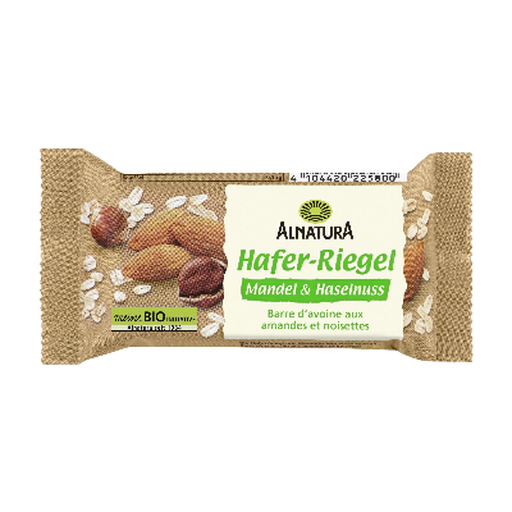 No image available
A 60-g flapjack for anyone looking for an almond and hazelnut-flavoured snack to take with them. If organic certification or nut allergens are important to you, check the information on the current pack.
 No image available
A 60-g portion for anyone who prefers a blueberry oat flapjack. Compare the nutritional values per bar and, if you have requirements around gluten or other allergens, check the current packaging.
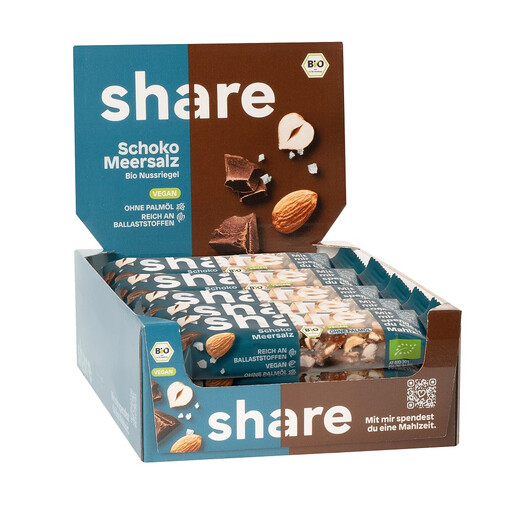 No image available
This pack of 15 bars, each weighing 35 g, is a good option if you’re looking for individually portioned nut bars to take with you. The information for this product is inconsistent about whether it is vegan and whether it contains milk. If you’re choosing it as part of a vegan diet, check the current ingredients list to confirm. Also check the allergens and organic certification on the pack.
For a prepacked bar labelled organic, check for the EU organic logo, inspection body code and origin of the agricultural ingredients. The European Commission explains that the organic logo is intended for certified products; a name that suggests a product is natural is not a substitute for this certification.
No. Organic certification doesn’t tell you the sugar content or whether the portion is right for your workout. Compare sugar, carbohydrates and energy per bar. The German Nutrition Society notes that carbohydrate requirements depend, among other things, on body weight and the amount of physical activity.
No, a vegan label is no substitute for checking allergens. Read the highlighted allergens in the ingredients list and check any may-contain statements for the specific product. For example, a bar labelled vegan may state that it could contain traces of peanuts.
Follow the storage instructions on the individual pack and make sure the packaging is undamaged. REWE advises storing its REWE frei von Organic Oat Bar with Fruit in a dry place and keeping it away from heat.
Compare the information with the current packaging of the bar you’ve chosen, paying particular attention to the ingredients, allergens, organic certification, nutritional values and best-before date. This is important if your decision depends on a particular recipe or dietary requirement.