
Lieferung heute & morgen

Qualitätsgarantie

Willkommens-Angebote freischalten: KOSTENLOSE Lieferung | Bis zu 80 % RABATT | Kostenlose 30-Tage-JoyPlus-Testphase
App herunterladen
The selection of organic cereal flakes on the supermarket shelf can be overwhelming. From classic rolled oats to more exotic varieties like quinoa flakes, each type has its own unique properties. This guide is designed to help you navigate the options. It will assist you in finding the perfect flakes for your diet and preferences, whether for a nutritious breakfast, as a baking ingredient, or to enrich your meals.
To make an informed decision, the following criteria can be helpful. They are based on objective product features and common standards.
The foundation of every flake is the grain. The type of grain largely determines the flavour, nutritional profile, and potential uses.
The term whole grain flakes indicates that the entire grain kernel—including the bran and germ—was used in production. This has a direct impact on the nutrient composition.
The EU organic logo guarantees that products are grown and processed according to EU organic regulations. This includes prohibiting the use of synthetic chemical pesticides and fertilisers. Some manufacturers, like Alnatura, also partner with farming associations such as Bioland, which often apply even stricter criteria. When you choose to buy Alnatura flakes, you are often also supporting initiatives that promote local organic farming.
Based on the criteria above, we have compiled a selection of versatile organic cereal flakes that cater to different needs.
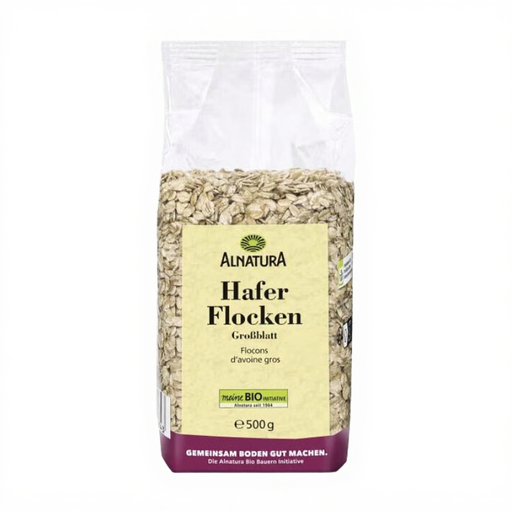
Why They Stand Out These hearty whole grain flakes are made from the whole oat groat and are sourced from German Bioland-certified farms. Purchasing this product supports the Alnatura Organic Farmers Initiative, which promotes organic agriculture in Germany.
Benefits
Best For Ideal for anyone who prefers a classic, nutritious muesli with a firm bite or a hearty porridge and values regional organic agriculture.
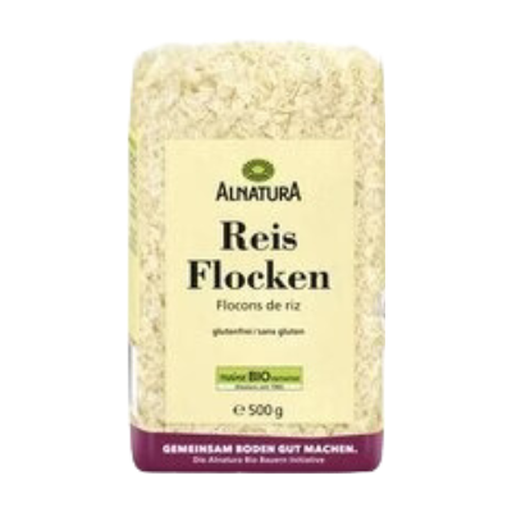
Why They Stand Out These flakes are made from the whole rice grain and are naturally gluten-free. Their mild flavour and ability to quickly develop a creamy consistency make them a versatile ingredient in the kitchen.
Benefits
Best For An excellent choice for individuals with gluten intolerance or coeliac disease who are looking for an alternative to oats. Also suitable for preparing easily digestible porridges for children and adults.
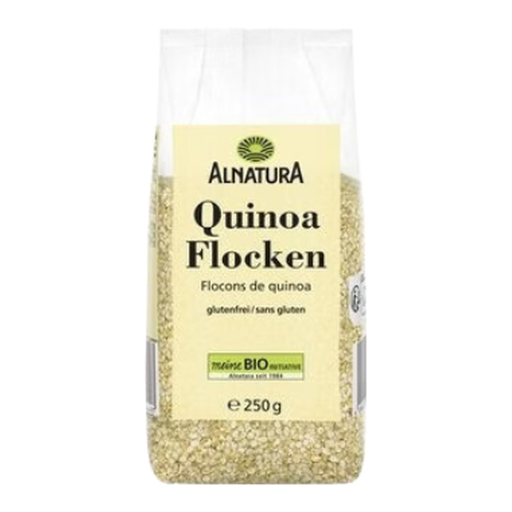
Why They Stand Out Alnatura's quinoa flakes are gently rolled from quinoa seeds and offer a nutrient-rich addition to a conscious diet. They are also naturally gluten-free and feature a delicate, nutty flavour.
Benefits
Best For Perfect for health-conscious consumers, athletes, and anyone looking to boost their meals with an additional protein source. They are an excellent gluten-free option for a varied and healthy breakfast.
The world of cereal flakes is diverse. If you want to discover more varieties or different processing levels, you are sure to find the right product in our wider selection.
? Explore our entire range of organic oat flakes and other cereal products here.
1. What is the difference between hearty and tender oat flakes? The difference is in the processing. For hearty oat flakes (large-leaf), the whole oat groat is rolled. For tender oat flakes (small-leaf), the groat is cut before rolling. Hearty flakes are firmer to the bite and absorb liquid more slowly, while tender flakes cook faster and yield a creamier consistency.
2. Are organic cereal flakes healthier? The term "healthier" is subjective. However, it is a fact that under EU organic regulations, the production of organic cereals prohibits the use of synthetic chemical pesticides and fertilisers. Many consumers choose organic products for this reason and to support more sustainable farming methods. Additionally, organic whole grain flakes provide essential fibre, vitamins, and minerals from the entire kernel.
3. Which cereal flakes are naturally gluten-free? Cereal and pseudocereal grains like rice, quinoa, millet, buckwheat, and amaranth are naturally gluten-free. Oats are also naturally gluten-free but are often processed in facilities that also handle gluten-containing grains, which can lead to contamination. Therefore, anyone who must avoid gluten should choose products explicitly labelled as "gluten-free" to ensure cross-contamination is avoided.