Breakfast fans who prefer organic
You want to choose certified organic cornflakes for Sunday breakfast and pair them with milk, a plant-based drink or yoghurt. The packaging is what matters when checking whether a product is organic.


If organic certification is important for your Sunday breakfast, check the EU organic logo, inspection body code and country of origin on pre-packed cornflakes. Unsweetened organic cornflakes made from maize leave you free to choose your toppings; organic spelt flakes, on the other hand, aren’t cornflakes. Whichever you choose, make sure the sugar content, ingredients and any allergens suit your needs.
You want to choose certified organic cornflakes for Sunday breakfast and pair them with milk, a plant-based drink or yoghurt. The packaging is what matters when checking whether a product is organic.
You compare the ingredients list and sugar content per 100 g before deciding whether to serve a plain base or already-sweetened cereal at the breakfast table.
The labelling on the specific product is what counts: dm labels its dmBio Cornflakes Unsweetened as gluten-free, while Kellogg's lists barley malt as an ingredient in its Corn Flakes.
First, choose between organic cornflakes made from maize and a different grain base. Then check the ingredients of the specific pack, especially if sugar or allergens are important to your choice.
| What to consider | What to check when buying | Who it matters most to |
|---|---|---|
| Organic labelling | The EU organic logo, inspection body code and country of origin on the pack. | If you want to serve organic cornflakes at breakfast, look for clear labelling rather than relying on a product name that simply sounds natural. Organic certification is likely to be the top priority for around 34% of consumers. |
| Sugar and ingredients | The ingredients list and sugar content per 100 g; don’t assume “unsweetened” means “sugar-free”. | If I want to choose how sweet my breakfast is by adding toppings, I need a suitably plain base. Ingredients and sugar are likely to be the main factors in choosing a product for around 33% of consumers. |
| Gluten and allergens | The current ingredients and allergen information; if you need to follow a gluten-free diet, check the labelling on the specific product. | If you need to avoid gluten-containing ingredients or specific allergens, you can’t rely on the words “cornflakes made from maize” alone. Checking suitability is likely to be the top priority for around 13% of consumers. |
| Flavour and how to serve | Decide whether you want an unsweetened base or cereal that’s already sweetened or flavoured. | At a family Sunday breakfast, I might want to add different toppings to each bowl – or choose a product with a particular flavour. Around 20% of consumers are likely to prioritise flavour when choosing. |
Organic certification doesn’t tell you whether sugar has been added. Alongside unsweetened organic cornflakes, Alnatura also sells a version with organic raw cane sugar.
Check the ingredients list and compare the sugar content per 100 g if you’re looking for a cornflake base that’s as low in sweetness as possible.
The type of grain alone doesn’t determine how a finished product is labelled. Kellogg's lists barley malt as an ingredient in its Corn Flakes, while dm explicitly labels its dmBio Cornflakes Unsweetened as gluten-free.
If you need to follow a gluten-free diet, check the current labelling on every pack. If you have allergies, it’s also important to check the relevant allergen information.
Recipes can change. Nestlé Cereals warns that packs of Cini Minis with different recipes may be available in shops at the same time.
Check the ingredients and nutritional information against the pack you’re actually buying.
According to the consumer advice centre, organic own-brand products have to meet the same legal organic standards as other organic foods. Differences in ingredients, allergens and pack size are still relevant when choosing what to have for breakfast.
Compare the labelling on the specific product rather than relying on the brand name alone.
Alnatura sells unsweetened organic cornflakes made from maize, as well as a sweetened organic version.
dmBio offers unsweetened cornflakes made from maize and, as a different type of product, spelt flakes.
REWE lists unsweetened organic cornflakes in a 375 g pack.
EDEKA Bio sells unsweetened cornflakes in a 375 g pack.
Kellogg's Corn Flakes are included here as a classic cornflake comparison for when organic isn’t the deciding factor.
Nestlé Cini Minis are cinnamon-flavoured cereal, not classic cornflakes made from maize. They’re an option if you’re after a flavoured recipe.
This selection includes unsweetened cornflakes made from maize, as well as spelt flakes made from a different grain. If you’re specifically looking for cornflakes made from maize, don’t assume that spelt products are the same thing.
 No image available
An option made from maize if you’d like to choose how sweet your Sunday breakfast is with your toppings.
If you have allergies, check the allergen information on the current pack.
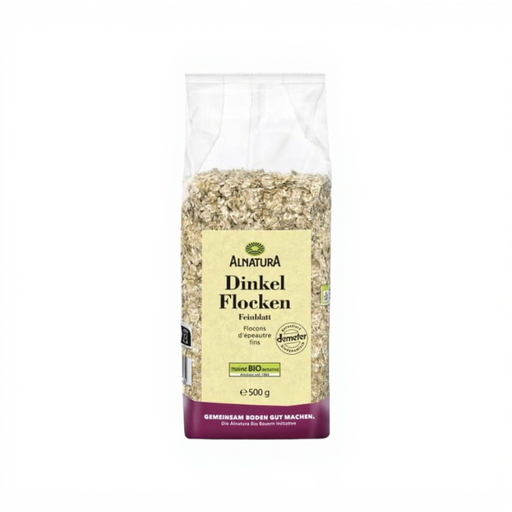 No image available
An alternative if you’d prefer spelt flakes instead of cornflakes made from maize for Sunday breakfast.
Spelt contains gluten. If you’re choosing an organic product, check the labelling on the specific pack.
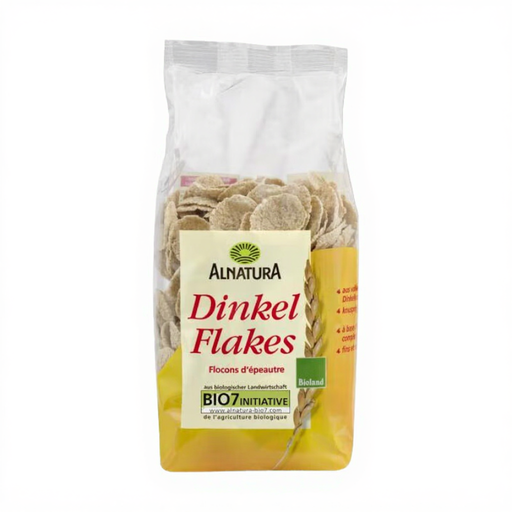 No image available
Another grain-flake option instead of cornflakes made from maize for Sunday breakfast.
Check the current pack for the grain type, ingredients and organic labelling: the product information describes the flakes as a spelt product, while the ingredients list mentions wholemeal wheat flour. Both grains contain gluten.
Pre-packed foods sold as organic in the EU must generally display the EU organic logo. According to the European Commission, certification is also required. As well as checking for the logo, look for the inspection body code and the country of origin of the agricultural raw materials.
No. Organic doesn’t automatically mean that a recipe is unsweetened. Alnatura sells both unsweetened organic cornflakes and a version with organic raw cane sugar, so compare the ingredients list and sugar content per 100 g.
No, it depends on the labelling of the specific product. dm describes its dmBio Cornflakes Unsweetened as gluten-free, while Kellogg's lists barley malt in its Corn Flakes. If you need to follow a gluten-free diet, check the current pack.
Yes. Organic certification doesn’t replace checking for allergens. For example, dmBio Cornflakes Unsweetened contain soya lecithin. Also look out for precautionary warnings about possible traces on the relevant pack.