What should you look for when buying?
When choosing dried fruit for baby-led weaning, finding the right way to serve it comes before comparing ingredients and organic labels. If you’re unsure whether it’s suitable for your child, you could consider serving fruit prepared another way instead of offering it as a dry finger food.
| What matters |
What to check when buying |
Who it matters to |
| Texture and how it’s served |
Check the shape, chewiness and whether the specific product may contain stones or stalks. A label such as ‘stone-free’ doesn’t tell you whether the texture is suitable. |
If my baby has little experience of firm textures, I don’t want to choose a dried fruit based on its organic label alone. For around 33% of consumers, how a food is served is the top priority. |
| Ingredients and sugar |
Check the ingredients list for added sugar, syrup and other ingredients; ‘no added sugar’ doesn’t mean sugar-free. |
I want to know what else is in the product besides fruit, and not mistake a sweet recipe for a simple ingredients list. Around 27% of consumers say this is their main priority. |
| Its place in the weaning diet |
Think of dried fruit as one ingredient, not a replacement for the rest of your child’s weaning diet. |
When I choose fruit for weaning, I don’t want a snack to displace the variety of other foods. Around 27% of consumers say how a food fits into the overall weaning diet matters most to them. |
| Organic labelling |
Check the EU organic logo and the organic control body code on the specific pack, then compare the ingredients of different products. |
I want to assess an organic own-label product and a branded product by their labelling, without assuming either is suitable for my baby. For around 13% of consumers, this comparison comes first. |
Fruit products as an alternative at Joybuy
This selection features fruit products for parents considering a smooth fruit option instead of dry finger foods. Neither product is dried fruit, and the age guidance doesn’t replace an assessment of your child’s individual weaning needs.
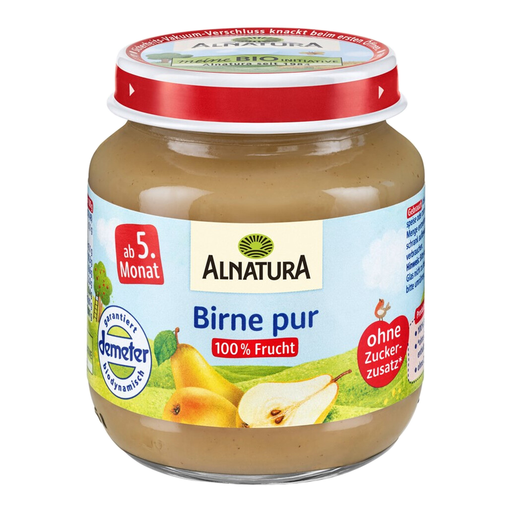 No image available
Alnatura Organic Pears, from 5 months, 125 g
For parents considering a processed fruit option instead of dry finger foods; this product isn’t dried fruit. The product name specifies pears, an age recommendation from 5 months and 125 g. Check the organic labelling on the specific pack; the age recommendation alone doesn’t confirm that it’s suitable for your child’s individual baby-led weaning needs.
View at Joybuy
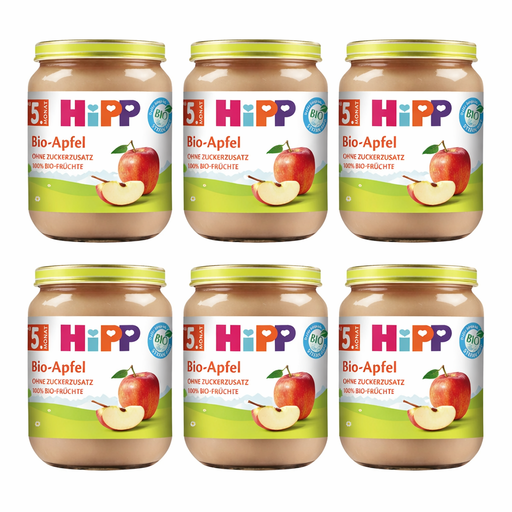 No image available
Hipp Organic Apple, from 5 months, 6 × 125 g
For parents considering a processed fruit option instead of dry finger foods; this product isn’t dried fruit. The product name specifies apple, an age recommendation from 5 months and a pack of 6 × 125 g. Check the organic labelling on the specific pack; the age recommendation alone doesn’t confirm that it’s suitable for your child’s individual baby-led weaning needs.
View at Joybuy
Frequently asked questions
Is ‘organic’ enough to choose a product for baby-led weaning?
No. Organic labelling relates to how a food is produced, not to the texture or way of serving it for a particular child. Check the specific product form and ingredients list separately from the organic information.
What does ‘no added sugar’ mean for dried fruit?
It doesn’t mean the fruit is sugar-free. Fruit also contains naturally occurring sugar, and the Federal Institute of Public Health also highlights the risk of tooth decay when children consume sugar frequently.
Can dried fruit replace a weaning meal?
Dried fruit shouldn’t be seen as a replacement for the rest of your child’s weaning diet. With baby-led weaning, the parents and child both play a part in the foods offered and chosen; if you’re offering only finger foods, the Gesund ins Leben network recommends seeking individual advice from a paediatrician.
What’s the difference between organic own-label and branded products when choosing dried fruit?
When choosing dried fruit, the information on the specific product matters most. According to the consumer advice centre, organic own-label products must meet the same organic standards as other organic foods. Neither a retailer’s own label nor a manufacturer’s brand tells you whether the product is suitable to serve to a baby.


