
Lieferung heute & morgen

Qualitätsgarantie

Willkommens-Angebote freischalten: KOSTENLOSE Lieferung | Bis zu 80 % RABATT | Kostenlose 30-Tage-JoyPlus-Testphase
App herunterladen
Shopping for organic groceries online offers a convenient way to manage your weekly shop while prioritising quality and sustainability. However, the growing selection can be overwhelming. Not every product marketed as "natural" or "healthy" meets the criteria of a certified organic product. To avoid disappointment and unnecessary expense, it helps to be aware of a few common pitfalls.
Often, unclear labelling, hidden additives, or impractical package sizes can lead to an online shopping experience that falls short of expectations. This guide will show you what to look for to make informed decisions for your household.
Conscious shopping begins with knowing which features truly qualify a product. Instead of being swayed by marketing messages, objective criteria can help you separate the wheat from the chaff.
Many products use terms like "naturally grown" or "eco-friendly" without having official certification. These terms are not legally protected and offer no guarantee that organic standards have been met. A product is only genuinely organic if it bears a recognised seal.
Even organic products, especially processed foods and snacks, can contain high amounts of sugar, fat, or unnecessary additives. An organic seal alone is not an indicator of a balanced nutritional profile. Anyone focused on a healthy diet should therefore always check the ingredients list and the nutrition facts table.
Part of the convenience of online shopping is stocking up and saving time. If staples like milk, plant-based drinks, or baby food are only offered in small, individual packs, your supply will run out quickly, and the benefit of convenient shopping is lost. Bulk food packs are often the more practical and economical choice.
To avoid the pitfalls mentioned above, you can rely on three simple yet crucial parameters. These will help you objectively assess a product's quality and suitability for your needs.
The most important feature of authentic organic quality is an official seal. The EU organic logo (a leaf made of stars on a green background) is the minimum standard across Europe. It guarantees that:
Products from brands like Alnatura or Arla Bio carry this seal, reliably meeting the basic requirements for sustainable shopping.
A short and understandable ingredients list is often a good sign. Pay close attention to the order of the ingredients, as they are listed by weight. This allows you to quickly see if sugar or fat is at the top of the list. This is particularly relevant when looking for:
Shelf-stable products are ideal for the pantry. UHT milk (ultra-high temperature milk) or plant-based drinks like Barista Oat Drink can be stored for months at room temperature before opening. Buying in bulk packs (e.g., 6- or 12-count trays) ensures you need to order less frequently and always have popular products on hand. This is especially practical for families and frequent consumers.
Based on the criteria above, we have curated a selection of products suitable for various requirements and lifestyles.
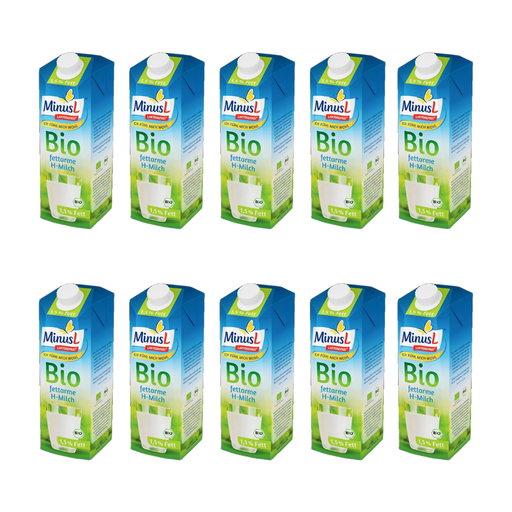
Why this product is a great fit: Ideal for families or individuals who don't want to miss out on the taste of real organic milk despite being lactose intolerant. The UHT version is long-lasting and perfect for pantry stocking.
The 10-pack bulk case solves the problem of impractical small packages. The clear "lactose-free" and "organic" labels create transparency and prevent confusion.
Combines certified organic quality with the functionality of a lactose-free product. Versatile for use in cereal, coffee, or for cooking.
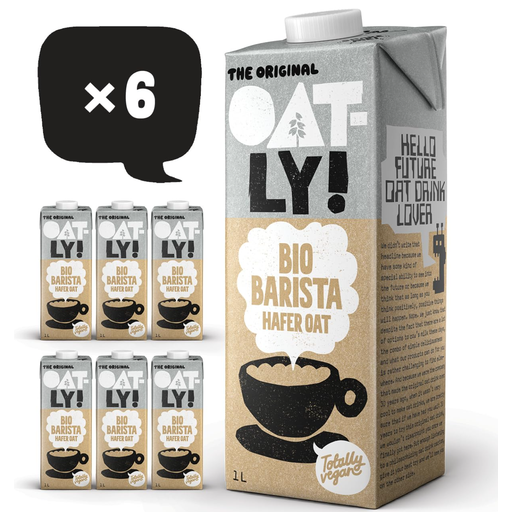
Why this product is a great fit: This Barista Edition is specially formulated to foam well. As a purely plant-based and organic option, it's an excellent choice for vegan alternatives in coffee.
The special formula prevents the problem of many plant-based drinks curdling or failing to foam in coffee. The 6-pack is ideal for stocking up.
100% plant-based, certified organic, and optimised for preparing specialty coffees. The mild oat flavour pairs well with coffee.
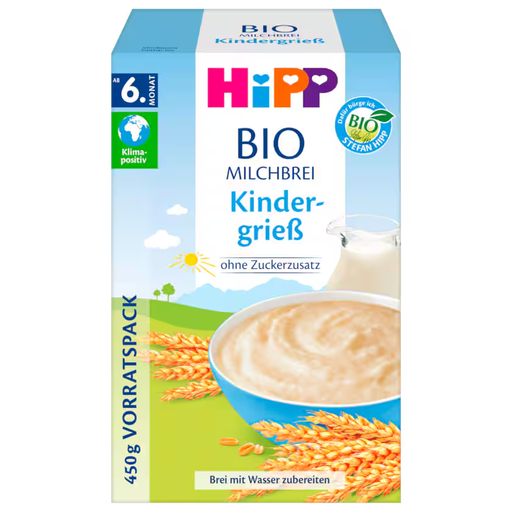
Why this product is a great fit: For parents who value the highest organic quality and an age-appropriate formula when introducing solid foods. HiPP is an established brand in organic baby food.
This product avoids the hidden sugar pitfall as it contains no added sugar, according to the manufacturer. The sweetness comes exclusively from the milk ingredients.
Contains valuable whole grains from organic farming and is tailored to the nutritional needs of infants from the 6th month onwards.
We have compiled a comprehensive, up-to-date list of products that fully meet these strict selection criteria and UK/EU regulations.
1. How can I identify truly high-quality organic foods online? Look for the official EU organic seal. For even stricter standards, you can look for association seals like Demeter or Soil Association. Also, read the ingredients list: high-quality products often have short, understandable lists without unnecessary fillers or additives.
2. Is it worth buying organic foods in bulk packs? Yes, in many cases. Bulk packs, like those available for Arla Organic Pasture Milk or other UHT milk varieties, reduce the frequency of orders and are often cheaper per litre. They ensure that staples are always available, which is especially convenient for families.
3. Are lactose-free organic products as nutritious as regular organic products? Essentially, yes. In lactose-free organic milk, the enzyme lactase is added to the product, which breaks down the milk sugar (lactose) into its simpler sugars, galactose and glucose. This process makes the milk digestible for people with lactose intolerance, while other nutrients like calcium and protein are preserved.