
Lieferung heute & morgen

Qualitätsgarantie

Willkommens-Angebote freischalten: KOSTENLOSE Lieferung | Bis zu 80 % RABATT | Kostenlose 30-Tage-JoyPlus-Testphase
App herunterladen
The market for organic foods is growing, but as the variety of products increases, so does the confusion. Anyone looking to shop consciously often faces shelves full of promises that don't always deliver. Certain marketing phrases and unclear labels can lead you to pay more than necessary for supposed quality. This guide will help you recognise the key features and make an informed choice.
The most common pitfalls when buying organic products are:
To avoid falling into these traps, it's helpful to focus on objective and verifiable criteria. Instead of being guided by advertising messages, you should consider the following three points in your purchasing decision.
The most well-known seal is the EU organic logo (the green leaf). It sets a minimum standard for organic products in the EU, which includes prohibiting the use of synthetic chemical pesticides and GMOs.
In addition, Germany has grower associations like Demeter, Bioland, or Naturland, whose guidelines are often stricter than the EU regulation. Demeter-certified foods, for example, come from biodynamic agriculture, which views the farm as a closed-loop system. Knowing these differences allows for a more targeted selection based on personal standards.
A short and understandable ingredient list is often a sign of a minimally processed product. Pay special attention to:
The type of processing has a significant impact on quality. A good example is organic pasta. Traditionally made pasta, pressed through bronze dies, has a rougher texture. Sauces adhere much better to this than to smooth, industrially produced pasta. Information about the manufacturing method is often found on the packaging and is a clear quality feature that enhances the taste and cooking experience.
Based on these objective criteria, we have compiled a selection of products suitable for different requirements and households.
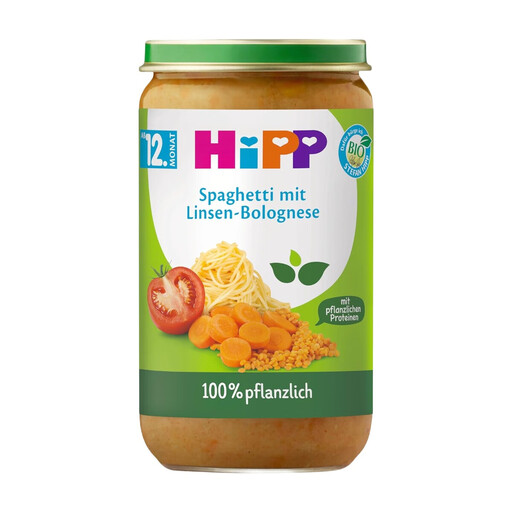
Why This Fits Their Persona: A wholesome, plant-based meal specifically tailored to the needs of toddlers from 12 months. The fine pieces encourage learning to chew, and the recipe is low in salt. Ideal for parents looking for a quick and balanced option for organic baby food.
The ingredient list is transparent and reduced to the essentials. It contains no added sugar and the salt content is deliberately kept low, which is not a given for many ready-made meals for children.
Contains organic rapeseed oil as a source of alpha-linolenic acid (an omega-3 fatty acid). The recipe is EU organic certified and provides plant-based protein from lentils and peas.
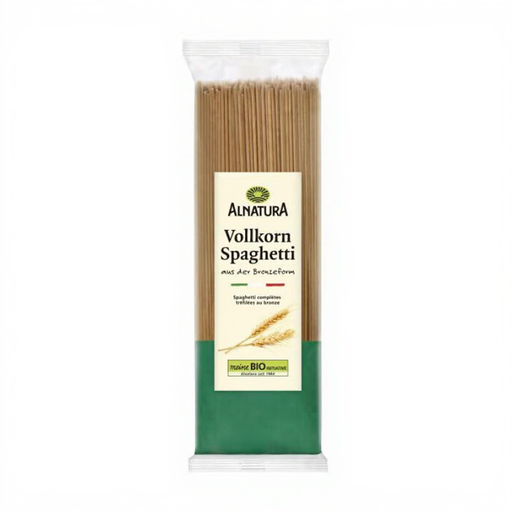
Why This Fits Their Persona: This whole grain pasta is an excellent foundation for a conscious diet. It offers a robust flavour and a higher fibre content. Ideal for anyone who values healthy staples and wants to make their dishes more nutritious.
The product consists of 100% organic whole durum wheat semolina. There are no hidden ingredients. The production using bronze dies is a clear quality feature that goes beyond the mere organic status.
The rough surface ensures excellent sauce adhesion. The pasta is produced in Italy according to organic guidelines from 100% Italian durum wheat.
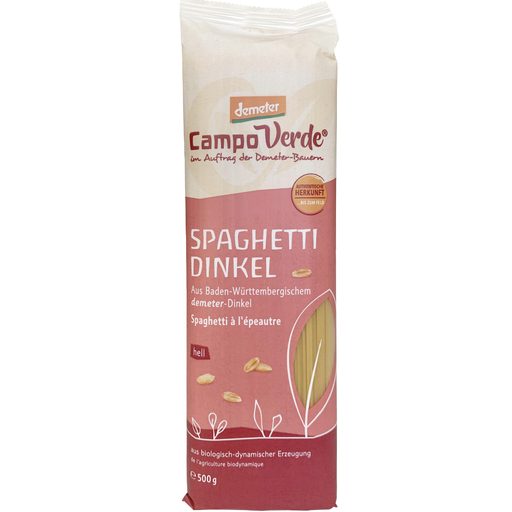
Why This Fits Their Persona: For consumers for whom the EU organic standard is not enough. This spelt spaghetti is certified according to the strict guidelines of Demeter, which guarantees biodynamic and holistic agriculture. A great choice for anyone who values sustainability and the highest product quality.
The Demeter certification goes far beyond legal minimum standards. It represents a transparent and sustainable value chain that encompasses much more than just the absence of certain substances.
Made from Type 630 spelt flour from biodynamic cultivation. The pasta has a mild, nutty flavour and excellent cooking properties. Made in Germany.
We have compiled a complete, up-to-date list of products that fully meet these strict selection criteria and German regulations.
Look for a combination of three factors: a trustworthy organic seal (like EU Organic or an association seal like Demeter), a short and understandable ingredient list without unnecessary additives, and, if possible, information about a gentle processing method (e.g., bronze dies for pasta).
No, not necessarily. The EU Eco-regulation permits a limited list of additives. Processed organic products in particular, such as ready-made meals, biscuits, or yoghurts, can contain added sugar. A critical look at the nutrition facts and ingredient list is therefore always advisable.
Organic grains, legumes, and organic pasta should be stored in a cool, dry, and dark place. After opening, it is recommended to transfer the products into airtight containers. This protects them from moisture, pests, and loss of flavour, ensuring a long shelf life.