What should you look for when buying?
First decide whether you want a ready-made organic muesli or a base you can put together yourself. Then compare the nutritional values for your portion and check any ingredients that matter to you.
Ready-made organic muesli with a low sugar content
A good choice if: You’re looking for a ready-made blend and want to compare its stated sugar content.
Bear in mind: Low sugar doesn’t necessarily mean low in carbohydrates. According to the manufacturer, Seitenbacher Organic Crunchy & Low Sugar Muesli #583 also contains gluten-containing cereals, nuts and sesame.
Organic fruit muesli
A good choice if: You enjoy a fruity flavour and plan for the nutritional values in your portion.
Bear in mind: Dried fruit and fruit concentrates count when checking the ingredients. Fruit sweetness doesn’t mean a muesli is sugar-free.
A homemade oat base
A good choice if: You’d rather choose your own ingredients and quantities than buy a ready-made blend.
Bear in mind: Putting it together takes an extra step. Remember to include the carbohydrates in the oats and any other ingredients in your total portion.
| What matters |
What to check |
Who it matters most to |
| Carbohydrates, sugars and portion size |
Compare carbohydrates and sugars per 100 g, then work out the values for the amount you actually eat. |
When I plan my breakfast portion, I need to know how many carbohydrates are in my bowl. This portion and carbohydrate question is a priority for around 31% of consumers. |
| Organic certification and ingredients |
Check the EU organic logo, the control body code and the ingredients list; read the allergen information if needed. |
I want to know whether the blend is certified organic and what it contains. This is the main consideration for around 25% of consumers. |
| Wholegrains and fibre |
Check the wholegrain ingredients and fibre per 100 g, if stated. |
When blends are similar, I’m particularly interested in the wholegrain ingredients and the fibre information. This is the most important buying consideration for around 25% of consumers. |
| Taste and suitability |
Check the fruit or crunchy ingredients, as well as declared allergens and precautionary allergen statements on the current pack. |
I want my muesli to taste good and contain ingredients that suit me; otherwise, suitable nutritional values won’t be much use. Around 19% of consumers prioritise taste and suitability. |
Organic muesli and oats at Joybuy
This selection includes organic rolled oats for making your own blend, alongside ready-made Bircher, fruit and crunchy mueslis. First choose the kind of breakfast you want, then check the nutritional and ingredient information on the relevant pack.
 Image unavailable
Alnatura Organic Fine Rolled Oats, 500 g
A good option if you’d rather make your own muesli than choose a ready-made blend. Remember to include any other ingredients in your portion, and check the current pack if you need information about fibre or gluten.
View at Joybuy
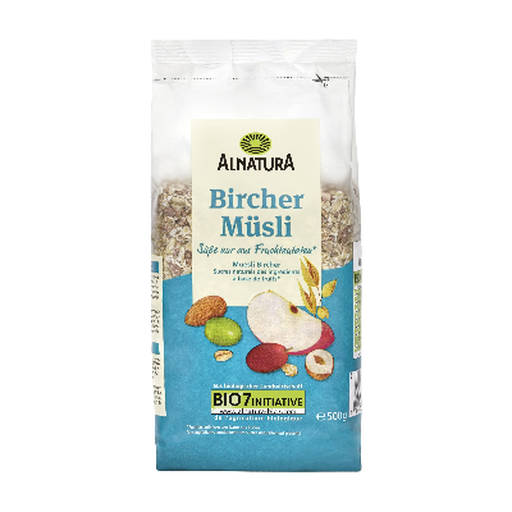 Image unavailable
Alnatura Organic Bircher Muesli, 500 g
A ready-made Bircher muesli for anyone who prefers a fruity blend. Alnatura lists ingredients including date syrup and apple juice concentrate, so compare the sugar and carbohydrate content for your portion and check the allergen information.
View at Joybuy
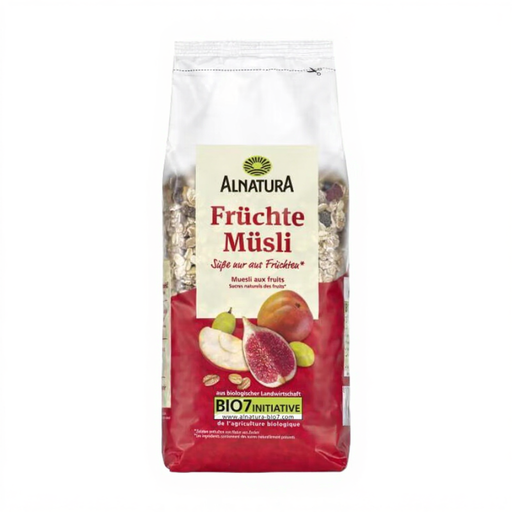 Image unavailable
Alnatura Organic 4-Nut & Fruit Muesli, 750 g
A fruit muesli option for anyone who wants to include dried fruit in their portion planning. Check the current ingredients and allergen information particularly carefully: the product name mentions nuts, but the ingredients information available is not clear on this point.
View at Joybuy
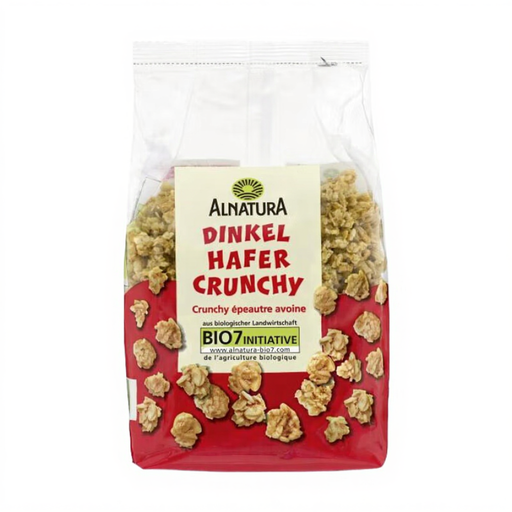 Image unavailable
Alnatura Organic Spelt & Oat Crunchy Muesli, 375 g
A good choice if you’re looking for a crunchy organic muesli made with spelt and oats. Compare total carbohydrates as well as sugars, and read the ingredients and allergen information on the current pack.
View at Joybuy
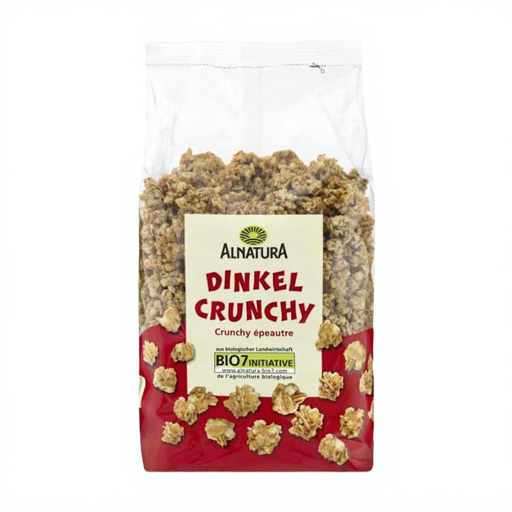 Image unavailable
Alnatura Organic Spelt Crunchy Muesli, 750 g
Another crunchy option if you prefer spelt muesli. To compare it with other blends, check sugars, carbohydrates and fibre per 100 g, as well as the ingredients and allergen information.
View at Joybuy
Frequently asked questions
Is organic muesli automatically suitable for people with diabetes?
No, you can’t tell whether it’s suitable from the organic certification alone. According to the European Commission, the EU organic logo relates to controlled organic production; carbohydrates, sugars, ingredients and the portion you actually eat are also relevant when planning meals.
Does ‘no added sugar’ also mean ‘sugar-free’?
No, muesli with no added sugar may still contain sugars from its ingredients. Kölln points to the dried fruit in its Fruit Oat Muesli with no added sugar; the total sugar content is shown in the nutrition table.
What information can help you compare two organic mueslis?
Compare carbohydrates and sugars per 100 g, fibre if stated, and the ingredients and highlighted allergens. For organic certification, look for the EU organic logo and the related information on the pack. Then work out the nutritional values for your portion.
Is the sugar figure on the pack enough if you’re on insulin therapy?
No, the sugar figure alone doesn’t show the muesli’s total carbohydrate content. diabetesDE – German Diabetes Support explains that people with type 1 diabetes, and some people with type 2 diabetes, need to calculate carbohydrates and adjust their insulin dose individually. For personal treatment decisions, follow your own care plan.


