What to look for when buying
If a product is sold as organic, check the certification on the specific pack. Then compare the nutritional information and ingredients. For meal planning, the amount that actually goes into your bowl matters just as much as the figures per 100 g.
| What matters |
What to check |
Who may find it particularly important |
| Sugar and carbohydrates |
Compare “of which sugars” and carbohydrates per 100 g, then relate them to your planned portion. Check for sweetening ingredients too. |
If I’m including my breakfast portion in my personal meal plan, I need more than a label such as “naturally sweet”. Around 36% of consumers prioritise planning for sugar and carbohydrates. |
| Wholegrains and fibre |
Check the cereal base and fibre per 100 g, and compare these with the sugar and carbohydrate figures. |
If you’re looking for a wholegrain base, you don’t want to choose on the basis of the front of the pack alone. Around 29% of consumers give top priority to wholegrains and fibre. |
| Organic certification |
For prepacked products labelled as organic, check the EU organic logo, control body code and indication of origin. |
If organic certification is important to me, I want to see clear labelling rather than a vague reference to nature. Organic certification is the main concern for around 21% of consumers. |
| Ingredients and allergens |
Read the ingredients list and allergen information for the specific product, including when ordering online. |
If I have a relevant allergy, I need to know before ordering whether the product contains ingredients such as nuts or sesame. Around 14% of consumers prioritise checking ingredients and suitability. |
Brands and retailers to consider
These examples show a range of recipes and products. A brand or retailer name alone won’t tell you whether a specific product is certified organic or what its nutritional values are.
Seitenbacher
Bio Müsli Knackig & Zuckerarm #583 is an example of a wholegrain muesli labelled as organic.
- Seitenbacher lists DE-ÖKO-006, along with 2 g of sugar and 9 g of fibre per 100 g.
- According to the manufacturer, the recipe contains hazelnuts, almonds, cashews and sesame. Nutritional values alone can’t confirm whether a product is suitable for an individual with diabetes.
familia
Bio Birchermüesli Original is an example of organic fruit muesli with wholegrains.
- bio-familia states that wholegrains make up 90% of the cereal content, and that the product contains 8.3 g of fibre per 100 g.
- The manufacturer’s declaration also lists 13 g of sugar and 65 g of carbohydrates per 100 g. These figures should fit the portion you plan to eat.
MÜLLER
MÜLLER is relevant here as a retailer where you can compare different breakfast products, not as a manufacturer of one standard cereal recipe.
- Its range includes organic muesli and organic porridge oats, among other products.
- Check the certification, ingredients and nutritional information on the page for each specific product.
Nestlé Cereals / Cini Minis
Cini Minis are an example of sweet cinnamon flakes for comparison, not proof of an organic option.
- Nestlé Cereals states that the product contains 33% wholegrains.
- The manufacturer lists sugar and glucose syrup as ingredients, and 24 g of sugar per 100 g. If you’re specifically looking for organic, check that the product you choose is labelled accordingly.
Kellogg's
In 2018, Kellogg's announced organic options under W. K. Kellogg, among other products. This announcement doesn’t tell you whether a specific product is currently available.
- The historical range announcement can be a starting point when searching for a specific option.
- What matters is the current organic certification, ingredients list and nutritional information on the pack you actually choose.
Products for different kinds of breakfast
This Joybuy selection includes porridge oats, spelt flakes, cornflakes, oat bran to add to other foods, and crunchy muesli. Compare the products using the current pack information. In particular, “organic” or “unsweetened” doesn’t replace checking the carbohydrates and portion size.
 Image unavailable
Alnatura organic fine rolled oat flakes, 400 g
For anyone looking for oats as a base for muesli or porridge. Compare the carbohydrates in the portion you plan to eat, and check the organic certification and allergen information on the pack.
View at Joybuy
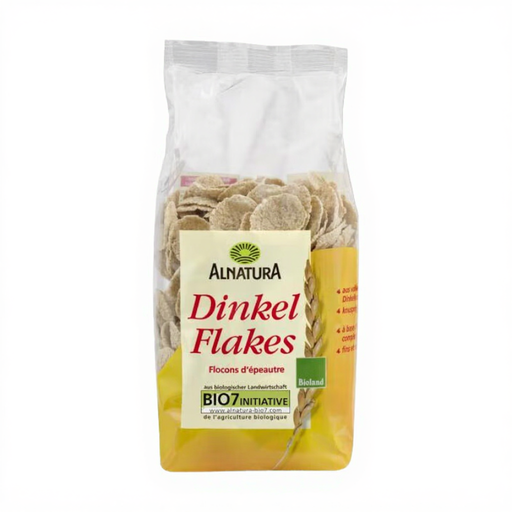 Image unavailable
Alnatura organic spelt flakes, 200 g
For anyone considering spelt flakes for breakfast. Before choosing, check the exact cereal composition and ingredients list, and compare sugar and carbohydrates for the portion you plan to eat.
View at Joybuy
 Image unavailable
Alnatura organic unsweetened cornflakes, 300 g
For anyone who prefers cornflakes to muesli or oats. The word “unsweetened” doesn’t tell you how many carbohydrates are in the portion you actually eat, so check the nutritional information.
View at Joybuy
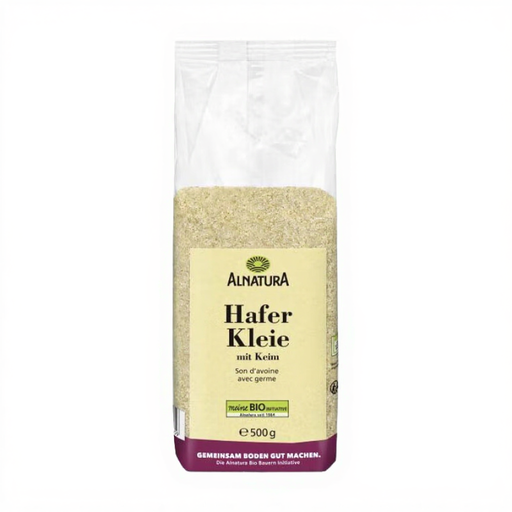 Image unavailable
Alnatura organic oat bran, 500 g
For anyone who wants to add oat bran to muesli or yoghurt rather than buy flakes as a standalone breakfast. Take the amount you use into account when comparing carbohydrates, and check the allergen information.
View at Joybuy
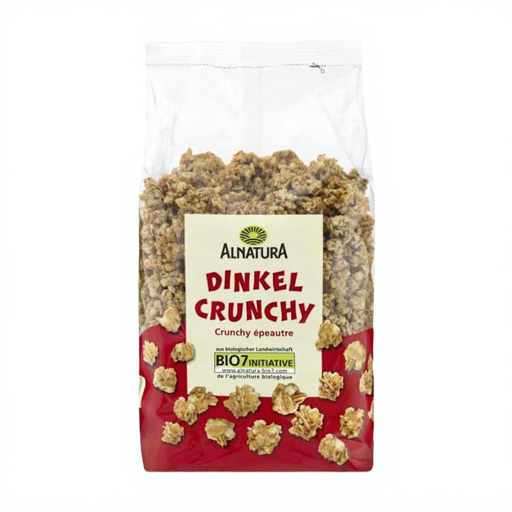 Image unavailable
Alnatura organic crunchy spelt muesli, 750 g
For anyone specifically looking for crunchy spelt muesli and wanting to compare its recipe with simpler flakes. Check for sweetening ingredients, and compare sugar and carbohydrates for the portion you plan to eat.
View at Joybuy
Frequently asked questions
Does the EU organic logo automatically mean a muesli is suitable for people with diabetes?
No. According to the European Commission, the logo indicates certified organic production, not specific nutritional values. Compare sugar and carbohydrates, and take your planned portion into account as part of your personal meal plan.
How can I spot sweetening ingredients in organic muesli?
Read both the ingredients list and the “of which sugars” line in the nutritional information. The Verbraucherzentrale names honey, syrup, fruit juice and dried fruit, among other ingredients, as possible contributors to sugar content.
Does “no added sugar” mean the product is low in sugar?
No. That statement alone doesn’t tell you the total sugar content. Check “of which sugars” for the specific product, and look for fruit or other sweetening ingredients in the ingredients list.
Is a high wholegrain content enough to choose a product?
No. Wholegrains and fibre are useful comparison points in their own right, but they don’t replace checking sugar, carbohydrates and portion size. Always refer to the figures for the specific muesli or flakes.
What should I check before ordering muesli online?
Before ordering, check the ingredients, highlighted allergens and nutritional information for the product you’ve chosen. If something important to you is unclear, ask the retailer before buying.


