Parents looking to keep sugar low
You’re looking for a base for regular breakfasts and don’t want to choose sugary cereals based on their packaging alone. The BIÖG also lists ready-made muesli with no added sugar as an option for toddlers.


For a regular toddler breakfast, suitably prepared wholegrain flakes or ready-made muesli with no added sugar are sensible options; the Federal Institute of Public Health (BIÖG) recommends both. Even with organic products, parents should check the sugar content per 100 g, allergens and texture, as the organic label does not answer these questions.
You’re looking for a base for regular breakfasts and don’t want to choose sugary cereals based on their packaging alone. The BIÖG also lists ready-made muesli with no added sugar as an option for toddlers.
Declared allergens matter to them, as does whether nuts, seeds and other hard pieces can be prepared appropriately for their child. The BIÖG recommends chopping, grating or puréeing these ingredients to make them suitable for children.
You want to understand what the organic label means, while also comparing ingredients and nutritional information. An organic logo alone tells you neither the sugar content nor the size of the pieces.
For a toddler’s breakfast, start by checking the ingredients and texture of the specific product. Then you can compare the organic label, sugar content and preparation time.
| What to consider | What to check when buying | Who it matters most to |
|---|---|---|
| Sugar in everyday meals | Compare the “of which sugars” figure per 100 g and any added sweetening ingredients in the ingredients list. | If you serve muesli regularly, you’ll want to be able to assess how sweet it is from the packaging. Around 31 % of consumers put this concern first. |
| Texture and allergens | Look out for whole nuts, seeds and hard pieces, as well as any declared allergens. | If a child cannot yet safely eat pieces of food or needs to avoid certain ingredients, suitable preparation comes first. This is the main buying concern for around 31 % of consumers. |
| Organic status and ingredients | Check the organic label and the inspection body details, then read the specific recipe. | If you’re looking for an organic product, you’ll want to compare its label with the ingredients it actually contains. Around 25 % of consumers put this concern first. |
| Morning preparation | Check how to prepare the mixture and whether the finished texture is right for your child. | On a rushed morning, breakfast should be easy to prepare without losing sight of the texture. Around 13 % of consumers prioritise this. |
The organic label doesn’t tell you the sugar content. For example, Seitenbacher lists 14 g of sugar per 100 g for its Organic Breakfast Muesli Mix #545.
When choosing, check the “of which sugars” figure per 100 g and the ingredients list alongside the organic label.
Organic muesli can also contain whole nuts or seeds. The BIÖG points out that small or hard foods should be chopped, grated or puréed to make them suitable for toddlers.
Check the mixture before serving and prepare any hard ingredients appropriately. Otherwise, choose a finer option.
Nestlé Cereals Deutschland lists 33 % wholegrain for CINI MINIS, along with 24 g of sugar per 100 g. These figures describe different aspects of the same product.
Check the wholegrain content, sugar figure, ingredients and allergens separately, and assess whether the texture is suitable for your child.
The information below relates to specific products from the brands listed, not to their entire ranges.
Organic mueslis with varying ingredients and sugar content, so it’s worth comparing them individually.
The Bioland 5-Grain Base Muesli is a ready-made mixture of cereal flakes and seeds.
Cinnamon cereal whose wholegrain and sugar figures need to be considered separately.
Kellogg's Variety is included here as a specific example of how to compare cereal ingredients and nutritional information.
These Joybuy products offer different ways to prepare oats: a mix-in porridge, fine flakes, Bircher muesli and oat bran as an ingredient. For every product, the pack labelling and a texture that suits your child remain key.
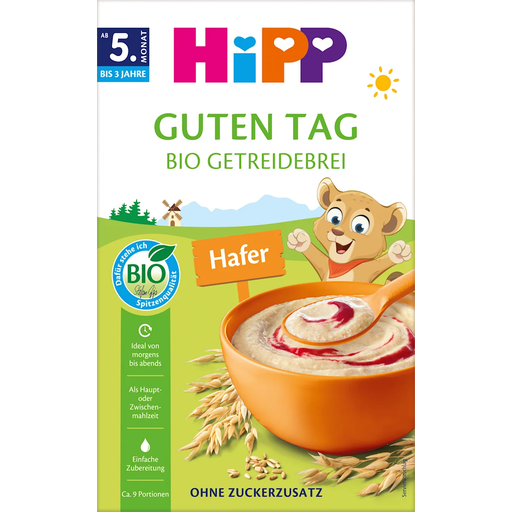 Image unavailable
For parents looking for a porridge you can prepare by mixing. The age guidance says “from 5 months”; check the preparation instructions, labelling and your child’s individual tolerance before serving.
 Image unavailable
For making your own muesli or porridge with fine flakes. Adjust the finished texture to your child’s ability to eat, and check the pack for ingredients and allergens.
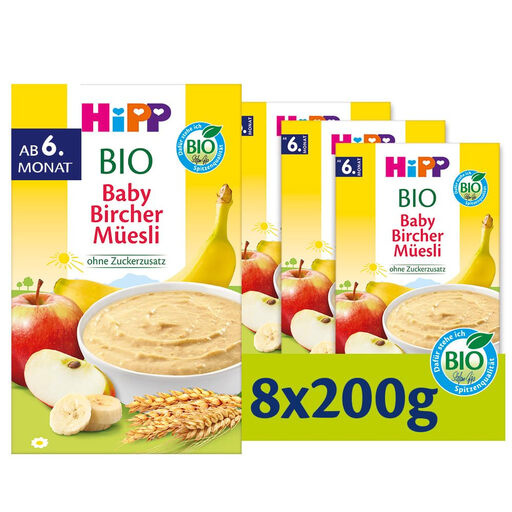 Image unavailable
For parents looking for Bircher muesli that can be prepared by mixing, with age guidance of “from 6 months”. For a fruit-based mixture, check the sugar content and ingredients list as well as any statement about added sugar.
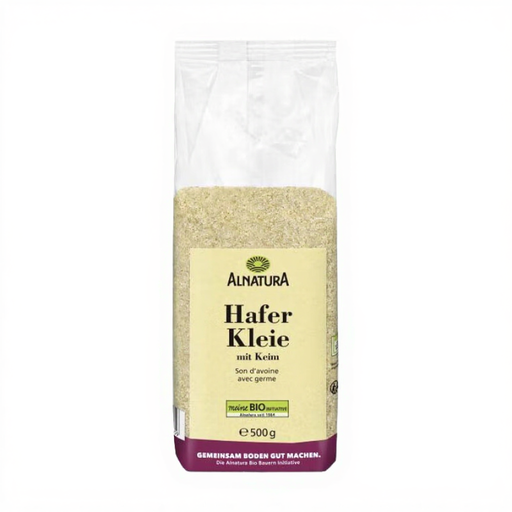 Image unavailable
Use it as an ingredient in a breakfast you prepare yourself, rather than as ready-made muesli. Prepare the meal to a suitable texture and check the ingredients and allergen information before serving.
No. The organic label doesn’t tell you the sugar content. For example, Seitenbacher lists 14 g of sugar per 100 g for its certified Organic Breakfast Muesli Mix #545. You’ll also need the nutritional information and ingredients list to compare products.
Both matter, but for different reasons: the label relates to organic status, while the size of the pieces affects how you prepare the food for your child. According to the BIÖG, nuts, seeds and other small or hard foods should be chopped, grated or puréed to make them suitable for toddlers.
If your child has a relevant allergy or coeliac disease, check the labelling on the specific product. Cereals containing gluten are among the allergens that must be declared. Müller says its BIO PRIMO Bioland 5-Grain Base Muesli contains oats, rye, barley and wheat, among other ingredients.
The name alone isn’t what matters. The BIÖG lists wholegrain flakes and ready-made muesli with no added sugar as options. For any specific product, the ingredients and preparation need to suit your child’s ability to eat and their tolerance.