Shoppers who prioritise organic ingredients
For a weekend breakfast with family or friends, you want to choose a cereal base with clear organic labelling and check the information on the pack.


If organic ingredients are a priority for your weekend breakfast, first check the organic labelling on the specific pack of pre-packed muesli. Then compare similar products by ingredients, sugar per 100 g and allergens. An organic label alone tells you nothing about whether a product is low in sugar or suitable for people with allergies.
For a weekend breakfast with family or friends, you want to choose a cereal base with clear organic labelling and check the information on the pack.
You want to buy organic muesli, but assess sweetening ingredients and the sugar content of similar products separately from their organic status.
If several people are eating together, you need to be able to check the specific pack for nuts, gluten-containing cereals and any other relevant ingredients.
First, check whether the pack meets your organic requirements. Then compare mueslis with a similar intended use by looking at their nutritional information and ingredients. Taste and texture only come into play once you’ve narrowed it down to options that work for everyone at the table.
| What matters when buying | What to check | Who it matters to |
|---|---|---|
| Organic labelling | For pre-packed organic muesli from the EU, look for the EU organic logo, the inspection body code and an indication of where the agricultural ingredients come from. The Federal Ministry of Agriculture, Food and Regional Identity explains these labelling details. | If organic is my top priority, I don’t want to rely on packaging that simply looks natural. Around 36% of shoppers put clear organic labelling first. |
| Sugar and nutritional information | Compare the sugar per 100 g and the ingredients list of similar mueslis. According to the consumer advice centre, honey, syrup and dried fruit can all contribute to the sugar content. | For my breakfast bowl, I want to know how the figures compare for sweet-tasting mixes. Around 29% of shoppers prioritise comparing sugar and nutritional information. |
| Ingredients and allergens | Read the ingredients list, highlighted allergens and, where relevant, any ‘may contain’ statements on the specific pack. Don’t assume a product is suitable based on another variety from the same brand. | If people with different requirements are eating together, the specific mix needs to be suitable for them. Around 21% of shoppers put checking ingredients and allergens first. |
| Taste and texture | Choose your preferred mix of cereals, fruit or crunchy ingredients by checking the ingredients list, while still taking the organic labelling and allergens into account. | For a shared breakfast, I want to find a mix with a taste and texture everyone will enjoy. Around 14% of shoppers put this choice first. |
A Nutri-Score on the pack can also help with comparisons. The consumer advice centre recommends comparing it only between foods in the same product group or with the same intended use. It doesn’t replace the ingredients list or nutritional information.
Organic labelling doesn’t tell you how much sugar a product contains. For example, Seitenbacher’s Bio Müsli Frühstücks Mischung #545 contains 14 g of sugar per 100 g.
Compare the nutritional information per 100 g for similar organic mueslis and check which ingredients have been used to sweeten them.
This kind of wording doesn’t tell you the total sugar content. According to the consumer advice centre, dried fruit, honey and fruit juice can also contribute to it.
Read the ingredients list alongside the nutrition table rather than guessing the sugar content from a description of the taste.
Seitenbacher’s Bio-Müsli #545 contains almonds, wheat and barley. Other mixes from the same or a different brand may have different ingredients and warnings.
Before buying, check the ingredients and allergen information on the specific pack, especially if several people are eating together.
A brand may offer different cereals and recipes. Its name alone doesn’t prove that a particular product is organic.
If organic is a must, check the labelling on the pack you’ve chosen before comparing taste or nutritional information.
These examples cover specific product ranges and can help you compare labelling, recipes and nutritional information. A brand name alone won’t tell you which variety is right for a weekend breakfast.
For its Bio Müsli Frühstücks Mischung #545, Seitenbacher lists an organic inspection body and states that its ingredients come from EU and non-EU agriculture.
Nestlé Cereals includes CINI MINIS in its German cereal range. When comparing products, check the recipe of the specific variety.
Kellogg's offers breakfast flakes and cereals. When comparing them with organic muesli, the specific product is what matters.
This selection includes oats and a range of muesli mixes as possible bases for a weekend breakfast. If organic is a must for you, check the labelling on each specific pack. Ingredients and allergens vary from product to product too.
 No image available
Fine oats are a good option if you’d like to put together your own breakfast mix. Check the labelling on the pack to make sure it meets your organic requirements, and read the allergen information if needed.
 No image available
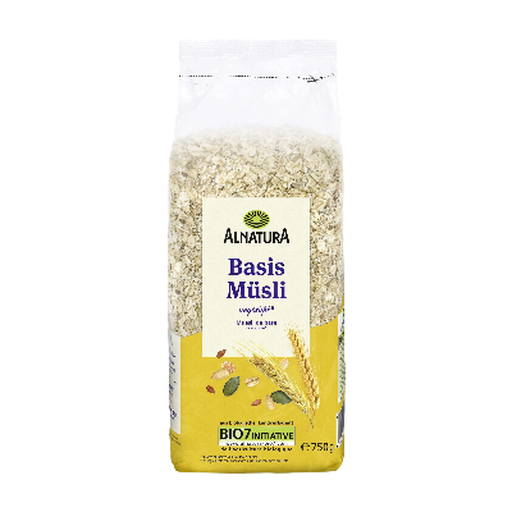
This basic muesli with cornflakes is an option if you’re looking for a mix that includes them. Compare the organic labelling, sugar content and allergen information on the pack with those of other mueslis.
 No image available
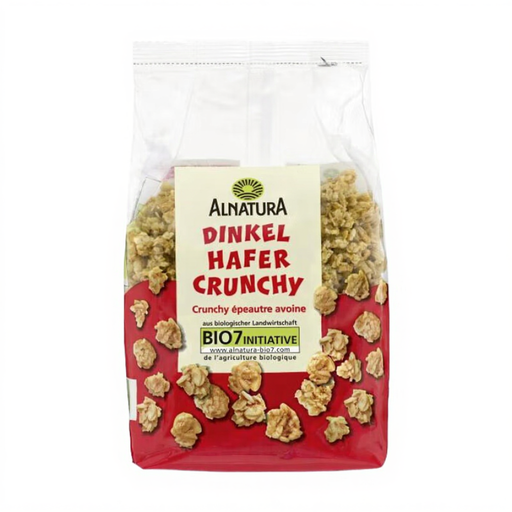
This spelt and oat mix is worth considering if you’re looking for crunchy muesli. When choosing, check the ingredients list, sugar content and allergen information on the pack too.
 No image available
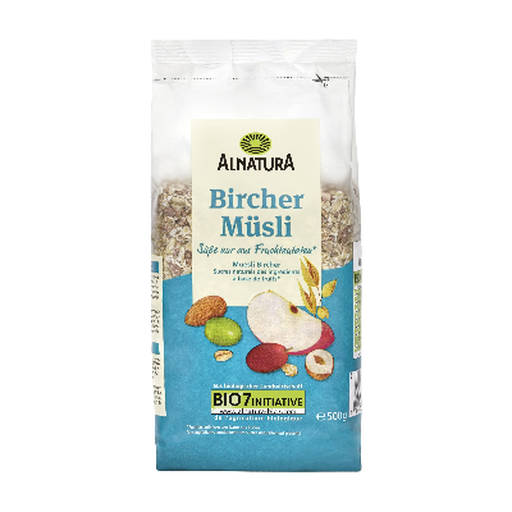
This Bircher muesli is an option if you’re after that style of mix for your breakfast bowl. Check the specific ingredients list, especially if nuts or gluten-containing cereals matter to anyone sharing the meal.
 No image available
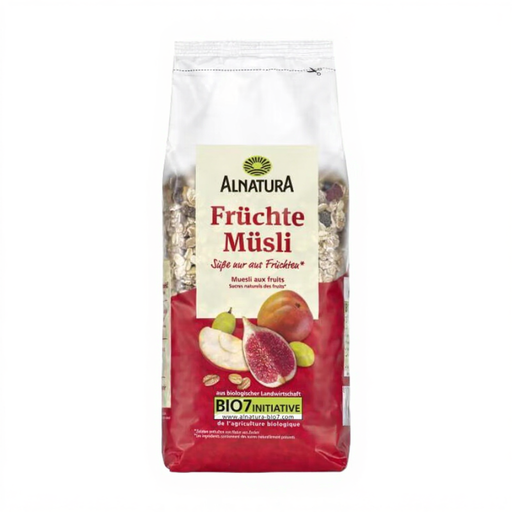
If you’re looking for fruit muesli, check the ingredients and nutritional information for this variety. For exact details of the nuts or whether it’s suitable for people with allergies, don’t rely on the product name alone—read the pack.
For pre-packed organic muesli from the EU, look for the EU organic logo, the inspection body code and an indication of where the agricultural ingredients come from. The European Commission and the Federal Ministry of Agriculture, Food and Regional Identity explain this labelling. The German organic seal may also appear.
No. Organic labelling doesn’t tell you how much sugar a product contains. Compare similar mueslis using the nutritional information per 100 g and read the ingredients list. According to the consumer advice centre, honey, syrup and dried fruit can also contribute to the sugar content.
First, compare the nutritional information per 100 g on a like-for-like basis, then look at the figures for the portion you plan to eat. If there’s a Nutri-Score on the pack, the consumer advice centre recommends using it only as an additional comparison between products in the same group or with the same intended use.
Yes, especially if allergens or a particular diet matter at breakfast. Nestlé notes that the recipe for CINI MINIS Protein may change, so always rely on the information on the pack you’re buying.