Who this choice matters to

Short on time for checking organic credentials

You want to take organic muesli with you and be able to tell while shopping which label applies to the specific pack. For pre-packed organic food produced in the EU, the EU organic logo is relevant, as explained by the Federal Ministry of Agriculture, Food and Regional Identity.

A crunchy breakfast with sugar in mind

You’d like to eat crunchy muesli on the go, but compare different recipes by checking the ingredients list and the “of which sugars” figure. The consumer advice centre points out that sweetening ingredients such as syrup or dried fruit can also contribute to the sugar content.

Taking food with you when allergens are a concern

You need a portion that’s quick to grab, while also checking the current pack for grains, nuts, milk ingredients or precautionary allergen statements. The format alone won’t tell you what it contains.

What to look for when buying

Flake muesli

A good choice if: You can portion some into an airtight container in the morning and take milk, a plant-based drink or yoghurt separately.

The trade-off: You’ll need to get the container and anything you’re having with it ready before you leave.

Crunchy muesli

A good choice if: You’d like a crunchy mix that you can eat dry.

The trade-off: For products with names that sound sweet, the consumer advice centre recommends checking the ingredients and sugar content rather than relying on the name alone.

Cereal bar

A good choice if: You can’t use a container or spoon while you’re out.

The trade-off: The bar format doesn’t mean a product is organic; check the label and ingredients of each bar individually.

CriterionWhat to check when buyingWho it matters most to
Organic labelling For pre-packed organic food produced in the EU, check the EU organic logo, inspection body code and origin of the ingredients on the specific pack. I want to check that I’m actually buying an organic product before considering taste or format. Around 31% of consumers are likely to prioritise organic certification.
Taking it with you Check whether you can eat the product dry or whether it needs a container, spoon and something to serve it with. If there’s no time to prepare anything in the morning, I need a portion that’s ready to eat. For around 25% of consumers, convenience on the go is likely to come first.
Sugar and ingredients Compare “of which sugars” using the same reference amount, such as per 100 g, and read the ingredients list. I want to know how sweet my chosen mix is, rather than relying on terms such as “naturally sweet”. Ingredients and sugar are likely to be the main concern for around 25% of consumers.
Allergens Check highlighted allergens, types of grain and precautionary allergen statements on the current pack. If certain ingredients aren’t suitable for me, the specific recipe needs to take priority over convenience. Around 19% of consumers are likely to check these requirements first.

Common misconceptions

  • Assuming organic means low in sugar

    Organic labelling doesn’t automatically tell you how much sugar a product contains. The consumer advice centre notes that syrup, honey and dried fruit can also contribute to the sugar content.

    Compare “of which sugars” using the same reference amount and read the full ingredients list.

  • Assuming “wholegrain” proves a product is organic

    Wholegrain describes the ingredients, not how they were produced. This applies to cereals that are easy to take with you, too.

    Check the organic labelling on the specific pack. The Federal Ministry of Agriculture, Food and Regional Identity explains that pre-packed organic food produced in the EU must carry the EU organic logo.

  • Choosing a portable format before checking the ingredients

    A bar can be eaten without tableware, but it may contain ingredients you need to avoid. Loose muesli can also contain nuts or gluten-containing grains.

    Read the current ingredients list and allergen information before buying. If you specifically need gluten-free food, look for the relevant labelling on the product itself.

Brands and retailers to consider

Seitenbacher

Seitenbacher offers organic muesli in a range of blends.

  • The manufacturer says its organic muesli range uses ingredients from organic farming.
  • According to Seitenbacher, its #545 breakfast mix contains oats, wheat, barley and almonds, so it isn’t suitable if you need a gluten-free or nut-free option.

Barnhouse

Barnhouse makes crunchy muesli for breakfast and as a dry snack.

  • Barnhouse describes its Krunchy range as organic.
  • You’ll still need to check the ingredients, sugar content, allergens and suitable portion size for each variety.

familia

The Swiss brand familia offers organic Bircher muesli and other muesli ranges.

  • The brand overview helps you distinguish between different types of product.
  • Claims such as “organic” or “wheat-free” apply only to products labelled accordingly, not to the brand as a whole.

Müller

Here, Müller is a retailer where you can compare different types of muesli and cereals, not a cereal brand.

  • The category includes various muesli, flake and organic products.
  • Being listed in the category doesn’t make every product sold there an organic cereal.

Nestlé / CINI MINIS

CINI MINIS includes cereals and bars, making the range worth considering if you need something to take with you.

  • Nestlé lists specific ingredients for the products reviewed, which you can compare before buying.
  • The CINI MINIS cereal page lists ingredients including sugar and glucose syrup. If you specifically want to buy organic, check the label on the individual pack.

Kellogg's

Kellogg's describes cereal mixes made with a variety of grains, seeds and other ingredients.

  • The manufacturer’s information can help you assess a specific mix.
  • A mix of grains or seeds isn’t, by itself, proof that a product is organically certified.

Muesli and cereals on Joybuy

This selection focuses mainly on crunchy muesli to eat dry, as well as muesli and cereals that you can portion out in advance to take with you. Check the label on the specific pack to see whether a product meets your organic requirements.
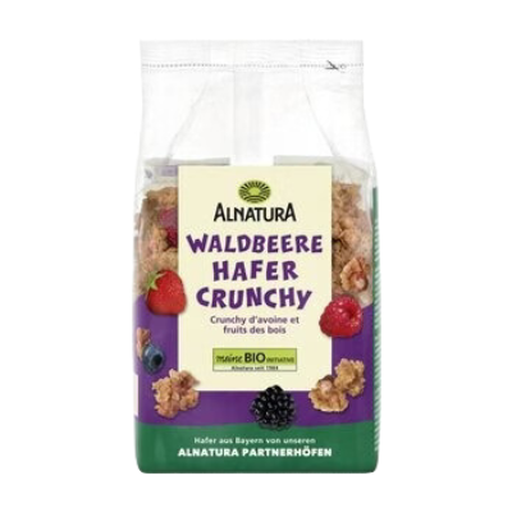
Alnatura Organic Wild Berry Crunchy Oat Muesli, 375 g

Alnatura Organic Wild Berry Crunchy Oat Muesli, 375 g

A crunchy muesli option if you like berries and oats and want to take a portion with you to eat dry.

Before buying, check the organic labelling, sugar content and allergens on the specific pack.

View on Joybuy
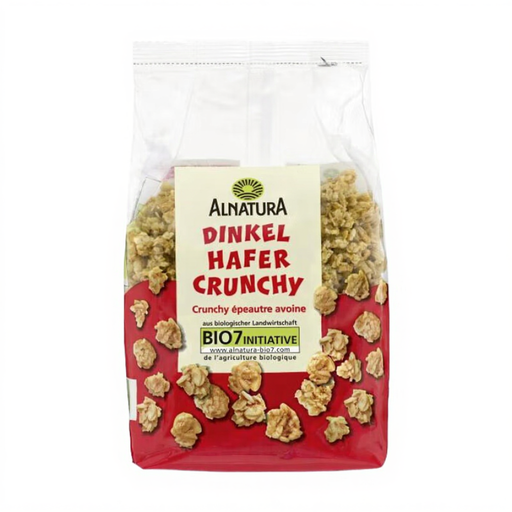
Alnatura Organic Spelt and Oat Crunchy Muesli, 375 g

Alnatura Organic Spelt and Oat Crunchy Muesli, 375 g

A crunchy muesli blend with spelt and oats that you can portion out in advance.

Carefully check the current ingredients list, especially if the fats used matter to you. Also check the organic labelling and allergens.

View on Joybuy
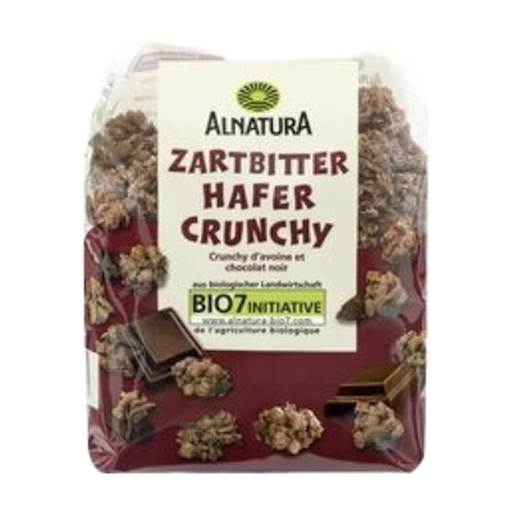
Alnatura Organic Dark Chocolate Oat Crunchy Muesli, 375 g

Alnatura Organic Dark Chocolate Oat Crunchy Muesli, 375 g

A crunchy oat muesli with dark chocolate, ideal if you want to take a portion with you that needs no preparation.

Compare the sugar content and ingredients with other blends, and check the allergen information on the pack.

View on Joybuy
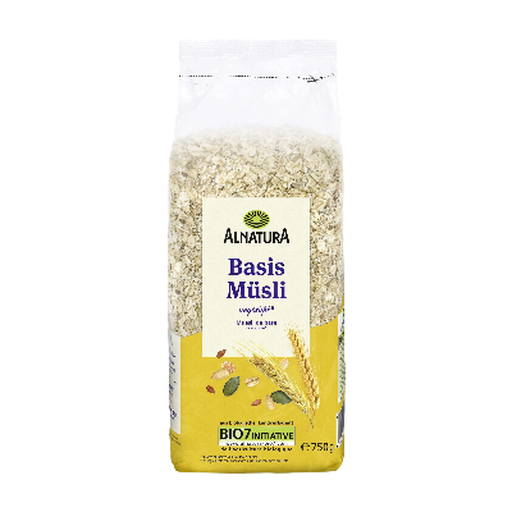
Alnatura Organic Basic Muesli with Cornflakes, 750 g

Alnatura Organic Basic Muesli with Cornflakes, 750 g

A cornflake blend for when you can have it with milk, a plant-based drink or yoghurt at your destination.

If you need to avoid gluten-containing grains, check the grain and allergen information on the current pack. Check the organic labelling there, too.

View on Joybuy
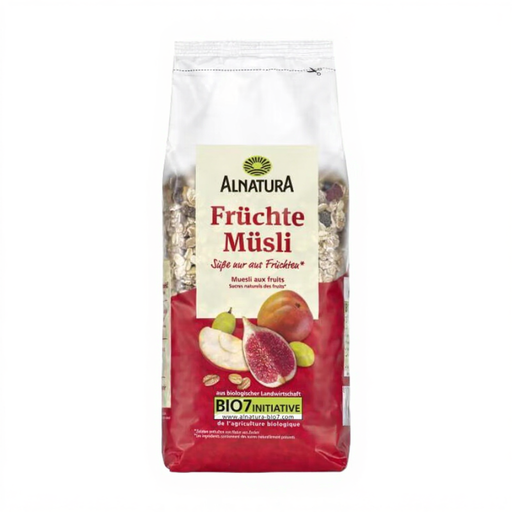
Alnatura Organic 4-Nut & Fruit Muesli, 750 g

Alnatura Organic 4-Nut & Fruit Muesli, 750 g

A fruit and nut muesli you can portion out in advance, as long as you also pack a container and anything you want to have with it.

Check the ingredients and allergens as well as the sugar content on the specific pack; dried fruit can contribute to the sugar content.

View on Joybuy

Frequently asked questions

How can I tell if muesli is organic from the pack?

The Federal Ministry of Agriculture, Food and Regional Identity explains that pre-packed organic food produced in the EU must carry the EU organic logo. Also check the inspection body code and the origin of the ingredients on the specific product; “wholegrain” alone doesn’t tell you whether it’s organic.

Does “organic” mean that muesli is low in sugar?

No. Organic labelling doesn’t tell you how much sugar a product contains. Compare the “of which sugars” figure using the same reference amount and read the ingredients list. The consumer advice centre notes that syrup, honey and dried fruit can also contribute to the sugar content.

Which format works on the go without any preparation?

You can eat a bar without a container, while crunchy muesli that’s eaten dry still needs to be packed into a handy portion. For flake muesli, plan to take a container and, if needed, milk, a plant-based drink or yoghurt. If you choose a bar, check separately whether the specific pack meets your organic requirements.

What should I look for in terms of allergens in organic cereals?

Read the current ingredients list and precautionary allergen statements for each product; organic labelling doesn’t replace this check. Under EU food labelling rules, allergens in pre-packed food must be highlighted in the ingredients list. For example, Seitenbacher lists oats, wheat, barley and almonds in its #545 breakfast mix.