Which blend is right for you?
For Sunday breakfast, it makes a difference whether you want your blend to include fruit and nuts already, or prefer to use it as a base for your own toppings.
If you check organic claims and ingredients carefully
You want to choose an organic blend and know exactly what’s in that particular variety. Check its organic certification, ingredients list and allergen information rather than assuming that every pack in a brand’s range is the same.
If you like to put your own breakfast together
You want to add fresh fruit, yoghurt or a plant-based drink to suit your taste. A plain blend with no dried fruit gives you more control over the flavour of your finished bowl.
If you want to avoid certain ingredients
Whether you dislike raisins or need to choose carefully because of cereals, nuts or sesame, check the ingredients and any ‘may contain’ warnings for each variety. For example, ‘no raisins’ tells you nothing about whether the muesli contains nuts.
What to look for when choosing
First decide whether you want to add your own toppings or serve a ready-made blend. Then check the labelling on the variety you’re considering for your bowl.
Organic plain muesli
A good choice if: You want to add fresh fruit and other ingredients when serving. REWE describes its Bio 5-Korn-Müsli as a base blend with no dried fruit.
The trade-off: You’ll need to add something yourself for a fruity flavour.
Organic fruit muesli
A good choice if: You want your muesli to taste fruity without adding fresh fruit yourself.
The trade-off: Dried fruit contributes to the sweetness, so it’s still worth checking the sugar content of the specific variety.
Nutty organic muesli with no raisins
A good choice if: You want nuts but no raisins. Seitenbacher describes its Bio-Müsli #583 in these terms.
The trade-off: If you have a nut or sesame allergy, check the specific recipe especially carefully.
| What to consider |
What to check when buying |
Who it matters to |
| Organic certification and ingredients |
Check the organic certification and ingredients list for the variety; make sure the main ingredients match the blend you want. |
If I want to buy organic muesli for brunch, I also want to know what’s in that particular variety. Around 33% of consumers put this at the top of their list when choosing. |
| Sweetness and your own toppings |
Compare the sugar per 100 g and, if you want to add your own fruit, look for a base blend with no dried fruit. |
I want to add the fruit myself and decide how sweet my bowl is, rather than letting the blend determine it. This is the top priority for around 25% of consumers. |
| Cereals and allergens |
Check the specific pack for the cereals, nuts and sesame it contains, as well as any ‘may contain’ warnings. |
If I need to avoid certain ingredients, what matters most is whether the blend suits my dietary requirements. This is the main concern for around 25% of consumers. |
| Flavour and texture |
Choose between fruity, nutty and crunchy blends; if you’re buying crunchy muesli, check the ingredients list too. |
For guests, I want to serve muesli that already has the flavour I’m looking for, without needing extra toppings. Around 17% of consumers give this the greatest weight when choosing. |
Brands to help you choose
These ranges offer different options for Sunday breakfast. To check whether a particular variety has the organic certification and ingredients or allergen information you’re looking for, refer to its own labelling.
Alnatura
Alnatura offers organic muesli in a range of blends, including fruit mixes and cereal-based varieties.
- Alnatura describes its Maxi-Müsli as being made with organic ingredients and says the recipe is vegan.
- According to Alnatura, Maxi-Müsli contains gluten-containing cereals, hazelnuts and sesame, among other ingredients. These details don’t apply to every Alnatura variety.
Seitenbacher
Seitenbacher is worth a look if you’re after a specifically described nutty organic blend with no raisins.
- The brand describes its Bio-Müsli #583 as nutty and free from raisins.
- For this variety, Seitenbacher also lists cereals, nuts and sesame; ‘no raisins’ doesn’t tell you about other ingredients.
REWE Bio
REWE Bio 5-Korn-Müsli makes a good base blend if you want to add fruit or other ingredients at the breakfast table.
- REWE specifically describes this variety as a blend with no dried fruit.
- If you need to avoid certain cereals or seeds, check the ingredients and any ‘may contain’ warnings on the specific pack.
familia
familia’s range includes organic and crunchy muesli, as well as Birchermüesli.
- The different varieties give you options if you’re looking for a particular style or texture.
- Check the organic certification, ingredients and nutritional information on the pack for the variety you want to buy.
Kölln
Kölln offers muesli for a range of ingredient preferences and breakfast tastes.
- The brand’s range includes filters for vegan and gluten-free muesli.
- When choosing organic muesli, check the organic certification on the specific Kölln variety; a range filter alone doesn’t confirm it.
Organic muesli and breakfast blends at Joybuy
These Alnatura products cater to different Sunday breakfast preferences: a fruit and nut blend, Bircher muesli, crunchy varieties and a blend with cornflakes. Before choosing, compare the ingredients and organic certification on each pack.
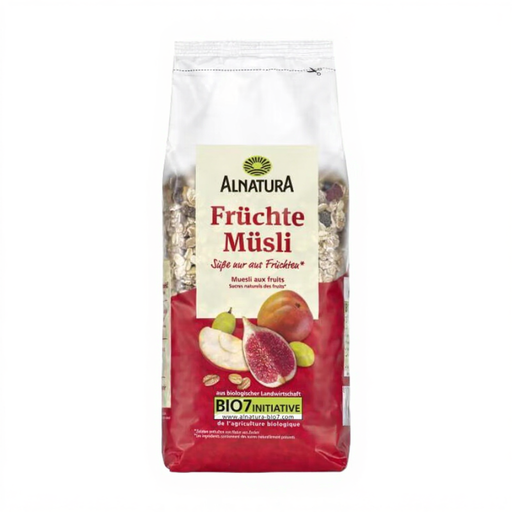 No image available
Alnatura organic 4-Nut & Fruit muesli, 750 g
A fruit and nut blend for anyone who’d rather not prepare separate fruit toppings for Sunday breakfast. Before buying, check the sugar content and the information on cereals, nuts and possible traces on the pack.
View at Joybuy
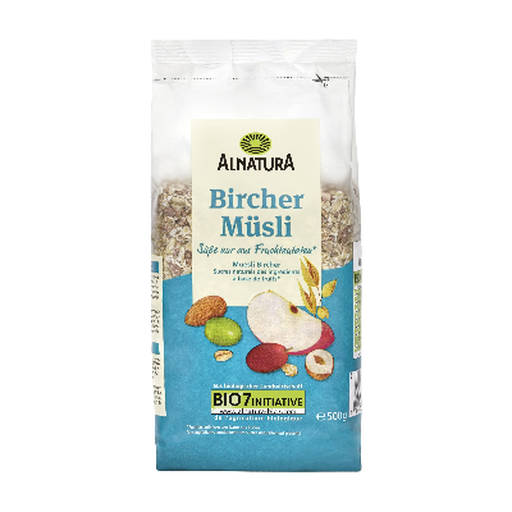 No image available
Alnatura organic Bircher muesli, 500 g
This Bircher muesli is an option if you want a ready-made blend for breakfast. To help you choose, compare the sugar information and the cereal and nut labelling on the pack.
View at Joybuy
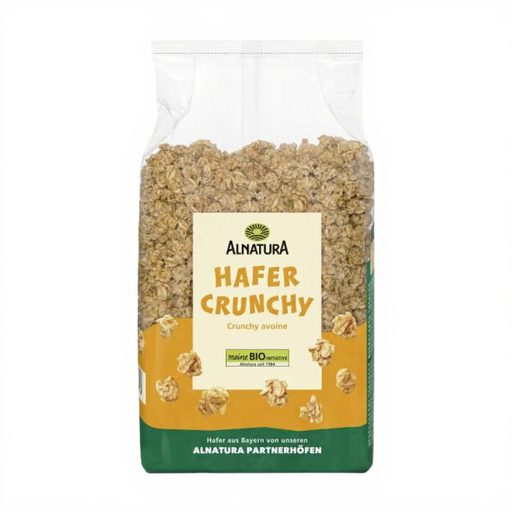 No image available
Alnatura organic crunchy oat muesli, 750 g
An oat-based crunchy option if texture matters to you at Sunday breakfast. When comparing it with other crunchy mueslis, check the ingredients list and sugar per 100 g, and take note of the allergen information.
View at Joybuy
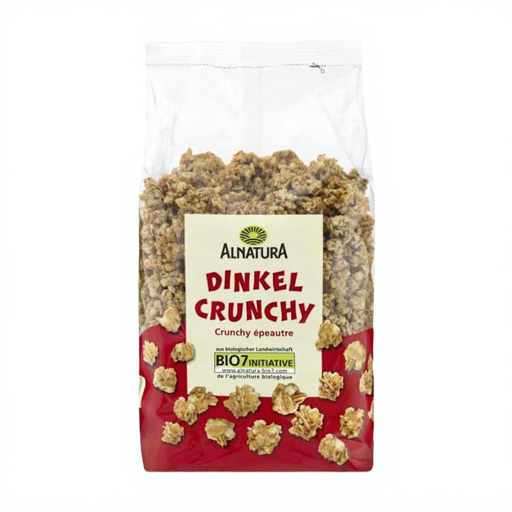 No image available
Alnatura organic crunchy spelt muesli, 750 g
This variety combines spelt with a crunchy muesli texture. Spelt is a type of wheat, which matters if you need to avoid wheat. Check the other ingredients and any ‘may contain’ warnings on the pack too.
View at Joybuy
 No image available
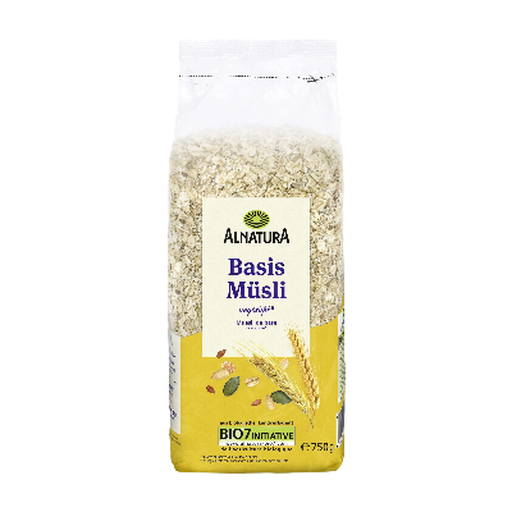
Alnatura organic plain muesli with cornflakes, 750 g
A base to add your own breakfast ingredients to, if you’d like to put together your own combination of flavours. Before buying, check the product description against the ingredients list, and look at the organic certification and allergen information on the pack.
View at Joybuy
Questions about organic muesli
How can I spot allergens in muesli?
Check the ingredients list on the specific pack and look out for any ‘may contain’ warnings too. The Federal Office of Consumer Protection and Food Safety explains that ingredients and products that can cause allergies or intolerances must be listed in the ingredients declaration. With muesli, pay particular attention to the cereals, nuts and sesame that are relevant to you.
Does ‘no added sugar’ mean that muesli is low in sugar?
No. ‘No added sugar’ doesn’t mean that the total sugar content is low. The Verbraucherzentrale points out that claims about sweetness from fruit don’t tell you the actual amount of sugar either. To compare products, check the ‘sugars’ figure per 100 g in the nutritional information.
Which organic muesli should I choose if I want to add fresh fruit myself?
A plain blend with no dried fruit gives you more freedom to add your own fruit. REWE describes its Bio 5-Korn-Müsli as this type of base blend. As with any muesli, check the other ingredients if you need to avoid certain cereals or seeds.
How should I store opened muesli?
Follow the storage instructions on the pack and keep opened muesli tightly sealed in a dry place. According to Lebensmittelverband Deutschland, the best-before date isn’t an automatic use-by date. After it has passed, check the appearance and smell in particular, and don’t eat muesli if it has gone mouldy.


