
Lieferung heute & morgen

Qualitätsgarantie

Willkommens-Angebote freischalten: KOSTENLOSE Lieferung | Bis zu 80 % RABATT | Kostenlose 30-Tage-JoyPlus-Testphase
App herunterladen
By Joybuy Product Recommendation Officer, 28 August 2026
Organic nut butter has become a staple in many health-conscious kitchens. Whether as a creamy spread, a nutritious cooking ingredient, or a plant-based protein source, its versatility is immense. However, the growing selection on supermarket shelves makes the choice complicated. Not every jar that looks natural delivers on its promise. Many products contain hidden additives that diminish their health benefits.
This guide will help you navigate the common pitfalls of buying nut butter. We'll show you the key characteristics to look for to find a high-quality, pure organic nut butter that truly meets your needs.
Before we dive into quality markers, it's important to know the common marketing tricks and product flaws that often lead to a poor purchase.
To ensure you're getting a pure and nutritious product, you should check three central aspects before buying.
The most telling information is on the back of the jar. A high-quality organic nut butter should ideally contain only one ingredient: the respective nut, in organic quality.
The EU organic logo (identifiable by the stylised leaf made of stars) guarantees that the nuts were grown without the use of synthetic chemical pesticides and fertilisers. The corresponding control body number (e.g., DE-?KO-039) provides information about the certifying body. The origin of the nuts, such as "from European agriculture," can be an additional indicator of shorter transport routes and specific cultivation standards. Brands like Alnatura nut butter often place value on transparent information about the origin of their raw materials.
The method of processing has a direct impact on taste and use.
Based on the criteria mentioned, we have identified some products that are suitable for different user profiles.
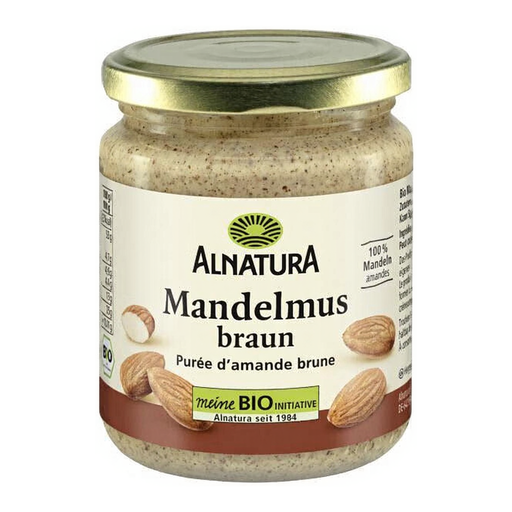
Why it's a good fit: Ideal for anyone seeking an unadulterated product. It consists of 100% roasted, unblanched organic almonds and is perfect as a nutrient-rich spread or for refining dishes.
This butter contains no additives like sugar, salt, or palm oil. The natural oil separation is a clear sign of the absence of stabilisers.
Intense, aromatic flavour from using the whole almond. With 13g of fibre and 25g of protein per 100g, it's an excellent plant-based protein source.
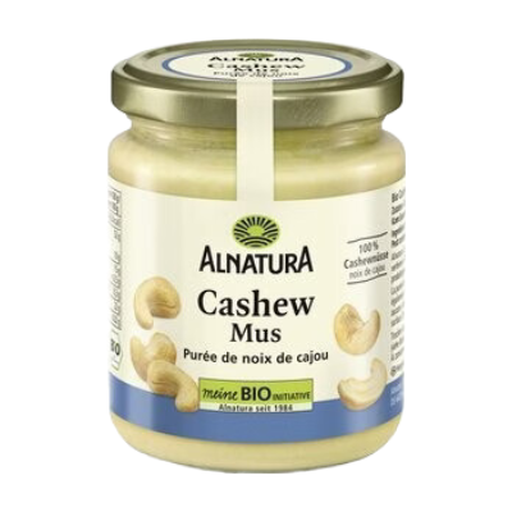
Why it's a good fit: If you're looking for a mild, creamy butter for creative cooking, this is the right choice. It's an ideal vegan spread and works wonderfully as a base for light-coloured sauces, desserts, and baked goods.
The ingredient list is minimalist: 100% roasted organic cashews. The fine consistency is achieved without any additives.
Extremely versatile when using nut butter for cooking. In vegan cuisine, it can serve as a substitute for cream or cheese, lending a creamy texture to dishes.
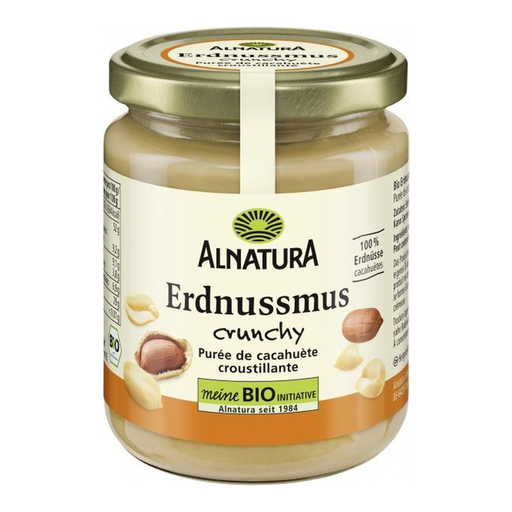
Why it's a good fit: For fans of the classic peanut butter taste who won't compromise on quality. It offers the beloved "crunch" without unnecessary additives.
This is a true peanut butter without sugar, salt, or palm oil. The ingredient list consists exclusively of roasted organic peanuts.
A high protein content of 29g per 100g makes it an excellent choice for athletes and anyone focusing on a high-protein diet.
We have compiled a complete, up-to-date list of products that fully meet these strict selection criteria and German regulations.
1. Why does the oil in my organic nut butter separate and rise to the top? The separation of the nut's own oil is a natural process and a sign of quality. It shows that no artificial emulsifiers or stabilisers have been added to permanently bind the oil and solids. Simply give the butter a vigorous stir before use to restore its creamy consistency.
2. How should I store nut butter after opening it? It's best to store opened nut butter tightly sealed in a cool, dry place, away from direct sunlight. Refrigeration is not essential but can help slow down oil separation and extend its shelf life.
3. Is nut butter a good plant-based protein source? Yes, nut butter is an excellent plant-based protein source. The exact content varies by nut type. Peanut butter (approx. 26-29g of protein per 100g) and almond butter (approx. 25g per 100g) are among the most protein-rich varieties, making them very popular with athletes and those on a vegan diet.