
Lieferung heute & morgen

Qualitätsgarantie
App herunterladen
Kategorien
Organic nut butter has become a staple in kitchens that prioritise nutrient-dense, whole foods. Selection is often based on criteria such as the ingredient list, the origin of the raw materials, and the processing method. A high-quality organic nut butter is distinguished by its minimalist ingredients—ideally, it consists of 100% nuts. This article serves as an analytical guide to understanding the key characteristics of quality nut butter and making an informed purchasing decision.
The quality of a nut butter can be assessed using objective criteria. These include the purity of the ingredients, organic certification, and the processing method, which influences both flavour and nutritional profile.
The ingredient list provides the most revealing information. A product labelled as sugar-free nut butter should ideally contain only one ingredient: the respective nut, in organic quality.
With almond butter in particular, there are two primary varieties, distinguished by their processing method:
The EU organic seal guarantees that the nuts come from certified organic farming. This prohibits the use of synthetic chemical pesticides and fertilisers. Stating the nuts' country of origin (e.g., "from European agriculture") can be an additional indicator of the manufacturer's transparency.
Based on the criteria of purity, organic quality, and processing mentioned above, we have curated a selection of products.
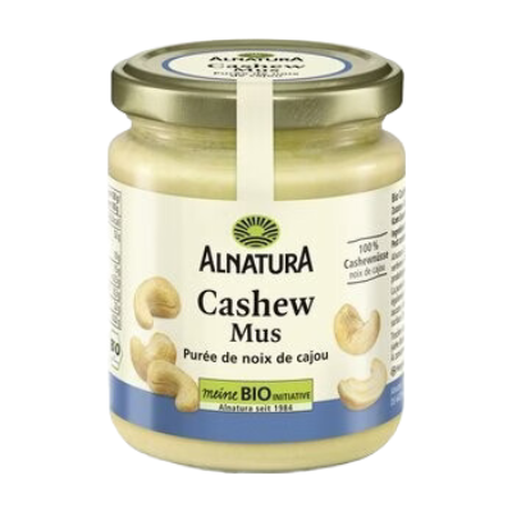
Why we recommend this product: According to the manufacturer, this cashew butter is made from 100% roasted organic cashews. It contains no stabilisers, which explains the natural oil separation. Its mild, slightly sweet note makes it a versatile ingredient.
Pros:
Best for: Users looking for a mild and creamy nut butter for light sauces, desserts, baked goods, or as a base for vegan dips.
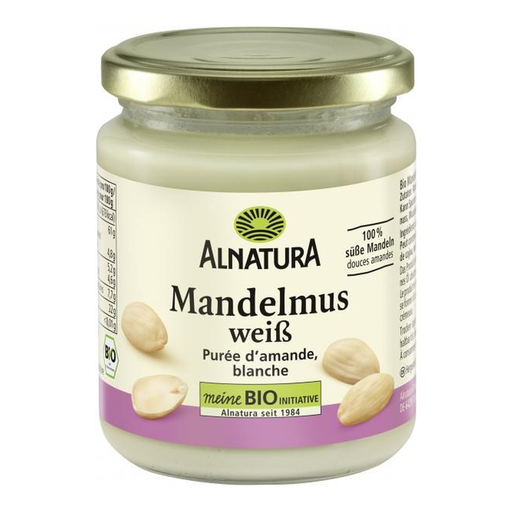
Why we recommend this product: Made from 100% blanched organic sweet almonds, this white almond butter offers an exceptionally fine and smooth texture. Omitting the almond skin results in a subtle, mild nutty flavour.
Pros:
Best for: Home cooks and bakers who need a high-quality, mild nut base for fine pastries, smoothies, or light sauces without imparting an overpowering almond flavour.
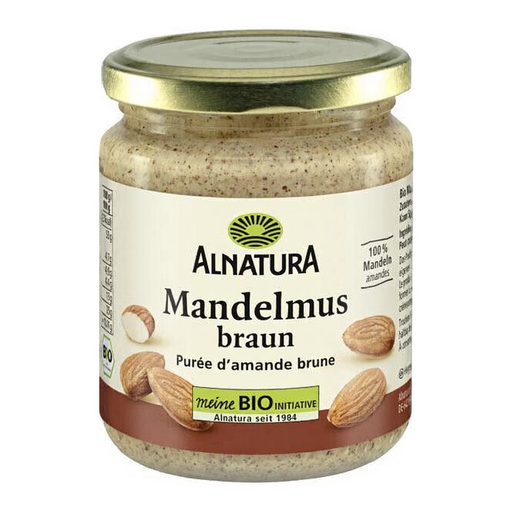
Why we recommend this product: This Alnatura nut butter is made from unblanched organic almonds, giving it an intensely aromatic and nutty flavour profile. According to the manufacturer, it is rich in dietary fibre and plant-based protein.
Pros:
Best for: Consumers who prefer a bold, flavour-forward almond butter and appreciate the higher fibre content of unblanched almonds. Ideal as a pure spread or for savoury dishes.
The world of plant-based spreads is diverse. In addition to the nut butters featured here, there are other varieties such as peanut, hazelnut, or pistachio butter. You can find a wider selection of related products in our Organic Butter category.
1. What is the difference between nut puree and nut butter? In German, the terms are often used interchangeably. Technically, nut puree (Nussmus) generally refers to a product made of 100% nuts. The term 'nut butter' can sometimes refer to products with added ingredients like oil, sugar, or salt. When making a selection, checking the ingredient list is therefore decisive.
2. How do you use nut butter for cooking? Nut butter for cooking is extremely versatile. It can add a creamy texture and depth to sauces and soups without needing to use cream. In dressings, it acts as an emulsifier, binding oil and vinegar. In vegan baking, it functions as a binder and a source of fat in recipes like brownies or energy bars. A spoonful of cashew butter in a curry or almond butter in oatmeal enriches the dish in both flavour and nutrition.
3. Is daily consumption of organic nut butter recommended? Organic nut butter is an energy-dense food, rich in unsaturated fatty acids, plant-based protein, vitamins, and minerals. Due to its high calorie density, it should be consumed in moderation as part of a balanced diet. A daily serving (approx. 1-2 tablespoons) can be a valuable addition to enrich your diet with essential nutrients.