People who regularly have nuts for breakfast
If you buy nuts for muesli, porridge or yoghurt, you’ll want a type of nut and an ingredients list that suit the meals you have planned. Plain nuts can also be used in other recipes.


If you regularly add nuts to your breakfast, a plain organic single-nut variety is a straightforward choice; an organic mix is a good fit if you value variety over choosing a specific type of nut. Check the ingredients, organic certification and allergen information for each option. The pack size should also suit how much you use and how you’ll store the nuts once opened.
If you buy nuts for muesli, porridge or yoghurt, you’ll want a type of nut and an ingredients list that suit the meals you have planned. Plain nuts can also be used in other recipes.
If you want a pack to last for several breakfasts, it’s not just the contents that matter. Think about how much you’ll use once it’s open and how you’ll store the rest.
If you have allergies or want an unsalted, unsweetened ingredient, the information on the specific pack is essential. This includes the ingredients list and any may-contain warnings.
First, decide which type of nut and preparation suit your breakfast. Then check the organic certification, ingredients and allergen information for the specific product before deciding how much to buy for the week.
| Criteria | What to check when buying | Who it matters most to |
|---|---|---|
| Breakfast ingredient | Organic certification for the specific variety, as well as the ingredients list and preparation: single nut or mix, plain or seasoned. | If I regularly add nuts to my muesli, I want an ingredient that also works in my other recipes; this is the main consideration for around 37% of consumers. |
| Pack size | Compare the pack contents with how much you plan to use in a week; use the same unit when comparing quantities. | I want to shop for several breakfasts without leaving an opened pack that I can’t finish. Getting the right amount is the top priority for around 27% of consumers. |
| Allergens and ingredients | Check the specific pack for the types of nuts it contains, other ingredients and any may-contain warnings. | If I have an allergy or strict ingredient requirements, I need to know what my chosen variety contains and which traces are listed; this check takes priority for around 18% of consumers. |
| Storage | Check the condition of the packaging, the best-before date and storage instructions for after opening. | If I only use nuts occasionally, I want to be able to store the rest properly. This is the deciding factor when choosing a quantity for around 18% of consumers. |
Organic nuts can also be roasted, salted or included in a mix with other ingredients. This can affect how well they work for breakfast.
Read the product name and ingredients list. If you want an unseasoned ingredient, choose a variety that is labelled accordingly.
A pack size only makes sense for your weekly shop if you can store and use the opened portion sensibly too.
Choose an amount that reflects how much you actually use. For opened, chopped nuts, Verbraucherzentrale recommends storing them in the fridge and gives a shelf life of around four weeks.
Unused leftovers can go off and need to be thrown away.
REWE’s product information for organic almonds lists possible traces of other tree nuts and peanuts, as well as almonds. Mixes may contain additional ingredients.
Check the ingredients and may-contain warnings on each specific pack. If you have a diagnosed allergy, follow your personal medical advice.
An organic range doesn’t confirm that every nut product is certified. EDEKA also notes that its organic almonds may not be available in every store and that the information on the pack may differ from the website.
Before buying, check the specific product for organic certification, ingredients, allergens and pack size.
These brands can help you find specific products; their inclusion here doesn’t mean that every nut product they sell is certified organic.
REWE’s organic nut range includes organic almonds, other single-nut varieties and mixes.
EDEKA describes its plain organic almonds in a 200-g pack as an option if you’re looking for a single type of nut.
ALDI SÜD describes ALDI BIO as its own-brand range of organic products.
Lidl describes BioOrganic as its own-brand organic range and also sells products associated with Bioland.
Seeberger sells nuts and kernels in a range of preparations, as well as mixes.
Lidl presents Solevita as a drinks brand.
This selection features two organic ingredients for different uses: ground, roasted hazelnuts for a fine texture, and pine nuts, which are described primarily for use in dishes and desserts. The right amount for breakfast and your weekly shop depends on the recipes you have planned.
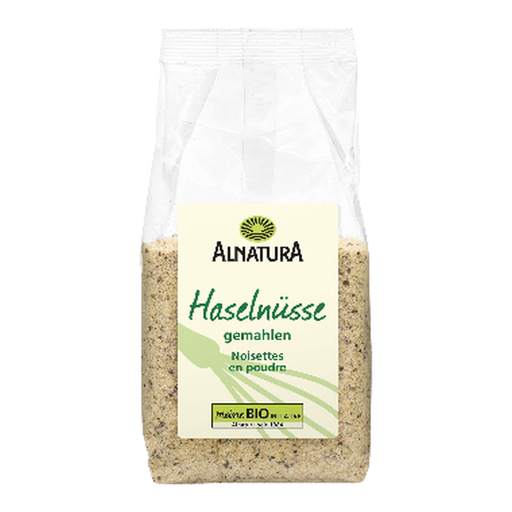 Image unavailable
If you’re looking for ground hazelnuts for porridge or other recipes, this variety is a better match than whole nuts. The pack contains 150 g; if you have allergies, check the information on the specific packaging.
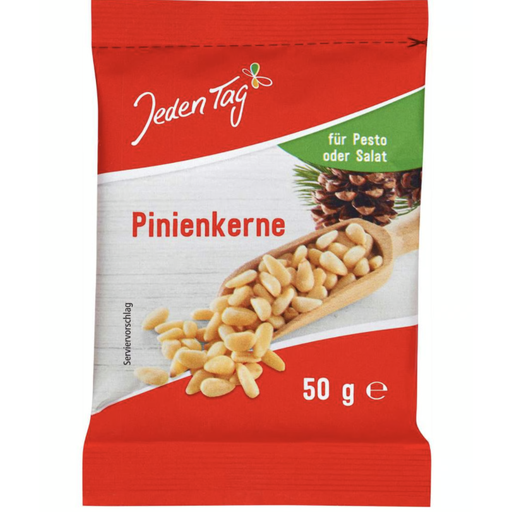 Image unavailable
This 50-g pack is worth considering if you’re planning to use pine nuts in dishes or desserts; it isn’t specifically intended for breakfast. Before buying, check the may-contain and storage information on the packaging.
Check the organic certification and ingredients on the specific pack, rather than relying on the brand name alone. If you’ll use the nuts regularly at breakfast, the type of nut, preparation, allergen information and a pack size you can use up are all important too.
It depends on the flavour and ingredients you want in your muesli. Organic labelling doesn’t tell you whether nuts are plain, roasted or salted, so compare the product name and ingredients list.
Follow the storage instructions on the pack and seal opened nuts well. For opened, chopped nuts, Verbraucherzentrale recommends keeping them in the fridge and gives a shelf life of around four weeks; don’t eat nuts that have gone mouldy.
Yes. Organic labelling doesn’t replace checking the ingredients and may-contain warnings. For example, the product information for REWE Bio almonds lists possible traces of other tree nuts and peanuts; if you have allergies, always check the specific pack.