Nuts aren’t automatically a low-calorie choice when you’re shopping for organic food. The German Nutrition Society describes them as energy-dense because they contain little water and a high proportion of fat. Choose a portion you can measure, then compare the nutritional information per 100 g and for the amount you plan to eat. Check the organic labelling, ingredients and allergens separately.
Which nut products might suit you?
For anyone planning their snack portions
You’d like to eat nuts while keeping track of the calories in your portion. Nutritional information per 100 g, together with a clearly defined portion size, is more useful than a blanket claim that a product is ‘low-calorie’.
For anyone looking to avoid added sugar and salt
You prefer a short ingredients list and compare plain nuts with roasted or seasoned varieties. For roasted products, it’s worth checking for oil, salt and other ingredients.
For organic shoppers who need to check allergens
You want to verify the organic labelling while also checking the ingredients and possible traces of other allergens. An organic certification doesn’t replace checking the current packaging.
What should you look for when buying?
Start with the amount you actually plan to eat as a snack. Then compare the ingredients and nutritional information of similar products. Organic labelling and allergen advice address separate aspects of your choice.
| What to check |
Points to consider |
Who it matters to |
| Portion and calories |
Compare kcal per 100 g and use this to work out the calories in your planned portion if a portion value isn’t provided. |
When I plan to have nuts as a snack, I want to know how much energy is in my portion rather than judging by the pack size. Around 36% of consumers prioritise planning their portions. |
| Ingredients |
Check the ingredients list for plain nuts. For sweetened, salted or mixed products, look at the additional ingredients and nutritional information. |
For a simple snack, I want to know whether it contains anything besides nuts, such as salt, sugar or other ingredients. A simple recipe is the main concern for around 29% of consumers. |
| Organic labelling |
Check the organic labelling on the specific product and compare its nutritional information separately. |
When I’m choosing products for an organic shop, I want to be able to verify the organic status of the pack. This is the first priority for around 21% of consumers. |
| Allergens |
Read the ingredients list and, where applicable, any precautionary allergen advice on the current packaging, even for products with just one ingredient. |
If I have an allergy, I need up-to-date information about the ingredients and possible cross-contamination. A familiar product name isn’t enough. This check comes first for around 14% of consumers. |
Common mistakes when buying nuts
-
Assuming ‘organic’ means ‘low-calorie’
Organic labelling relates to how a product is produced and inspected, not its energy density. REWE lists its organic almonds at 618 kcal per 100 g.
Consider organic status and calories separately: check the labelling, then plan your portion using the nutritional information.
-
Deciding how much to eat as you go
It can be harder to judge a portion of energy-dense nuts if you eat straight from a large pack.
Decide on an amount beforehand and put it in a bowl or weigh it out.
-
Treating plain and sweetened nut products alike
Seeberger sells plain nuts as well as salted and sweet products, along with nut mixes. You can’t work out their ingredients and nutritional information from the type of nut alone.
Compare the ingredients list and nutritional information per 100 g, and factor in your preferred portion when planning a snack.
-
Overlooking allergen advice on single-ingredient products
Even a pack containing only almonds may carry a warning about possible traces of other allergens.
If you have an allergy, check the current packaging every time, including the ingredients list and any precautionary allergen advice.
Brands and own-label products to compare
These examples can help you compare the ingredients and nutritional information of specific products. A product’s features don’t necessarily apply to a brand’s entire range.
REWE Bio
REWE’s organic almonds are one example to consider if you want to check both organic labelling and a stated portion value.
- REWE lists its organic almonds at 618 kcal per 100 g and 185 kcal per stated 30-g portion. The ingredients list specifies almond kernels from certified organic farming.
- Organic labelling doesn’t make the almonds low-calorie. Check the information on the pack you’re planning to buy.
GUT&GÜNSTIG
The almonds from this EDEKA own-label brand are a useful comparison for shoppers looking for a single-ingredient product.
- EDEKA lists almonds as the only ingredient in the product in question, at 619 kcal per 100 g.
- EDEKA warns that the product may contain traces of other allergens. Organic labelling isn’t listed as one of this product’s features.
Seeberger
Seeberger’s plain, roasted, salted and sweet nut products can be distinguished by their individual recipes.
- Seeberger lists its roasted almonds as 100% almonds, roasted without oil or added salt.
- Roasting doesn’t mean fewer calories. If organic status matters to you, check the labelling on the specific product.
Nut products at Joybuy
This selection includes peanuts, walnuts and almonds for a snack portion you can measure yourself, as well as organic pine nuts that also work well as an ingredient in dishes. When comparing products for their calorie content, the amount you actually plan to use or eat is what matters.
 No image available
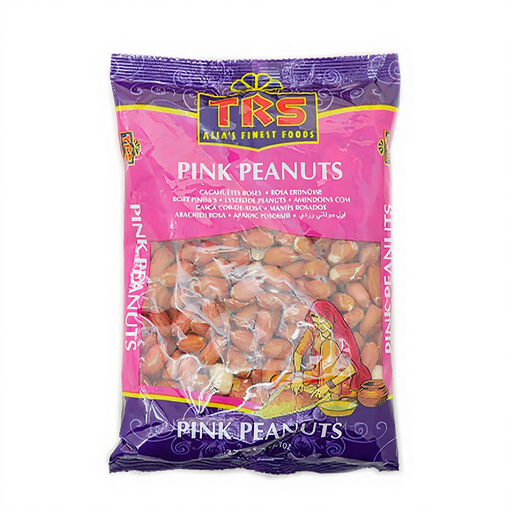
TRS Peanuts Kernels Pink, 375 g
For a peanut portion you can measure yourself: check the nutritional information for the amount you plan to eat, and read the current packaging if you have any allergies.
View at Joybuy
 No image available
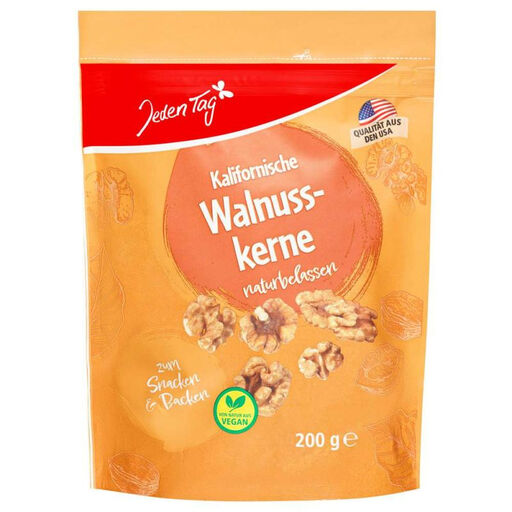
Jeden Tag California walnut kernels, 200 g
If you’d like to portion walnut kernels for a snack, compare the calories for the amount you plan to eat and check the allergen advice on the pack if needed.
View at Joybuy
 No image available
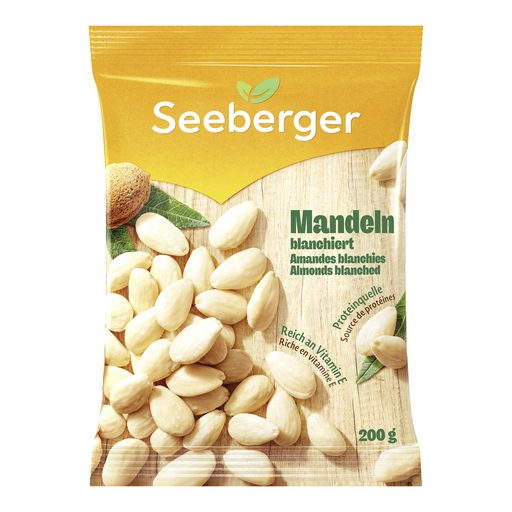
Seeberger whole blanched almonds, 200 g
These whole blanched almonds could work for a snack portion you measure out yourself. Compare the nutritional information and, if you prefer organic products, check the labelling on the pack.
View at Joybuy
 No image available
Jeden Tag organic pine nuts, 50 g
These organic pine nuts are best suited as an ingredient in dishes. If you’re planning to eat them as a snack, choose your own portion and check the nutritional information and details on the current packaging.
View at Joybuy
Frequently asked questions
Are nuts a low-calorie snack?
Not necessarily. The German Nutrition Society describes nuts as relatively high in calories because they contain little water and a high proportion of fat. REWE lists its organic almonds at 618 kcal per 100 g and 185 kcal for the stated 30-g portion. So the amount you eat also matters when choosing a snack.
How can I tell if nuts are organic?
Check the organic labelling on the specific pack. The German Federal Ministry of Food and Agriculture explains that the German organic seal may be used on foods produced and inspected in accordance with EU organic farming regulations. Organic labelling doesn’t tell you anything about calories or portion size.
Do I need to check allergen advice on a pack of plain almonds?
Yes, if allergens are relevant to your choice. Even a product with almonds as its only ingredient may carry a warning about possible traces of other allergens. The German Federal Office of Consumer Protection and Food Safety explains how major allergens must be labelled in the ingredients list. Always refer to the information on the current packaging.
How should I store opened nuts?
Keep opened nuts in an airtight container. The German Federal Centre for Nutrition recommends storing them in the fridge if possible. Check their appearance and smell before eating them. If they’re discoloured or smell musty, don’t eat them.


