What should you look for when buying?
First, check the children’s ages and any known allergies. Only then can you decide whether a finely processed nut ingredient, whole kernels for a suitable use or a snack without nuts is right. Check the organic certification and recipe against the specific product.
Finely processed nut product
Suitable if: young children are attending and, after checking for allergies, you want to use a nut ingredient in a suitable form.
Bear in mind: Grinding or puréeing does not remove the risk of a nut allergy; precautionary allergen statements still matter too.
Whole organic nuts
Suitable if: you plan to grind the kernels for a recipe beforehand, or serve them to older children in an appropriate, supervised setting.
Bear in mind: Whole nuts and almonds should not be left within reach of young children as a snack.
Snack without nuts
Suitable if: you can’t reliably check for known allergies and don’t want to offer a shared snack containing nuts.
Bear in mind: Even with a different packaged food, you’ll need to check that the ingredients and allergens are suitable for the specific product.
| Criterion |
What to check when buying |
Who it matters most to |
| Age-appropriate form |
The children’s ages and the form of the nut ingredient: whole, ground or as pure butter. The German Federal Centre for Nutrition advises against leaving whole nuts and almonds within reach of young children. |
If young children are coming to the party, I don’t want to put out whole kernels as a snack they can access freely. For around 50% of consumers, choosing an age-appropriate form comes first. |
| Allergens and ingredients |
Check for known allergies in advance; read the ingredients and any precautionary allergen statements on the pack you plan to use. REWE lists possible traces of other nuts and peanuts in its organic almonds. |
For a mixed group of children, I need to be able to decide whether a shared nut snack is suitable at all. Checking for allergens takes priority for around 30% of consumers. |
| Organic certification and ingredients |
For packaged organic products, check for the EU organic logo and inspection body code; then compare the ingredients with your planned recipe. According to the Verbraucherzentrale, “natural” on its own is not proof of organic certification. |
For my party recipe, I’m looking for an organic ingredient with clear labelling and a composition that suits the dish. Around 20% of consumers put this first. |
Relevant brands and suppliers to consider
The following examples can help you distinguish between organic certification, nut forms and ingredients. A brand name alone doesn’t tell you whether an individual product is right for the party.
REWE Bio
REWE stocks organic almonds and other types of organic nuts. The specific product determines which way of serving them is suitable.
- According to REWE, REWE Bio Almonds 200 g contains almond kernels from certified organic farming; the inspection body code is DE-ÖKO-00.
- They are whole almonds. REWE also warns that they may contain traces of other nuts and peanuts.
EDEKA Bio / My Veggie
EDEKA lists both natural organic almonds and EDEKA Bio My Veggie White Almond Butter. This gives you a choice of different forms for different recipe ideas.
- According to EDEKA, the white almond butter is made from 100% sweet, blanched almonds, with no additives. You can mix it into a dish instead of using whole kernels.
- It contains almonds and carries statements about other potential allergens. EDEKA notes that packaging information may differ from information online.
ALDI BIO / NUR NUR NATUR
ALDI SÜD sells organic almonds under NUR NUR NATUR in a 200 g pack and describes the requirements of the EU Organic Regulation as the minimum standard for ALDI BIO.
- These organic almonds are an option to consider if you want to grind whole almonds for a recipe.
- Their whole form makes them unsuitable as a freely accessible snack for young children. Check the labelling and ingredients on the pack you buy.
Alesto
Lidl’s Alesto range includes nuts, dried fruit and party snacks, including natural varieties.
- The brand is worth considering if you’re looking for a particular type or form of nut.
- “Natural” does not prove that an individual product is organic. If you need an organic product, check its certification separately.
Seeberger
Seeberger sells a range of nuts and kernels, including natural products.
- If you’re looking for a particular type of nut for a recipe, you can compare the form and ingredients of the different varieties.
- The description “natural” is no substitute for checking organic certification. Whole kernels should not be left within reach of young children as a freely accessible snack.
Joybuy products for different uses
The products below include two almond butters as finely processed organic nut ingredients, and whole organic pine nuts for recipes. The right form for your party depends on the children’s ages, any known allergies and the dish you plan to serve; whole kernels are not a freely accessible snack for young children.
 No image available
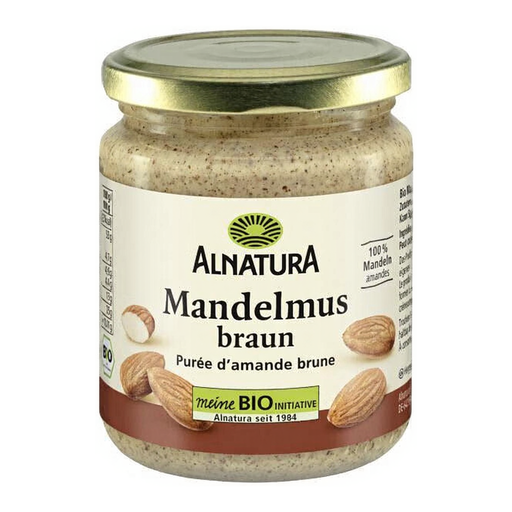
Alnatura Organic Almond Butter made from whole roasted almonds, 250 g
This finely processed almond butter could be used as a spread or to enrich dishes, provided you’ve checked whether the children can have almonds and any potential trace allergens.
The product information lists 100% organic almonds and inspection body code DE-ÖKO-039. The butter contains almonds and may contain traces of other nuts, so check the pack you use. Stir in any separated oil before use.
View at Joybuy
 No image available
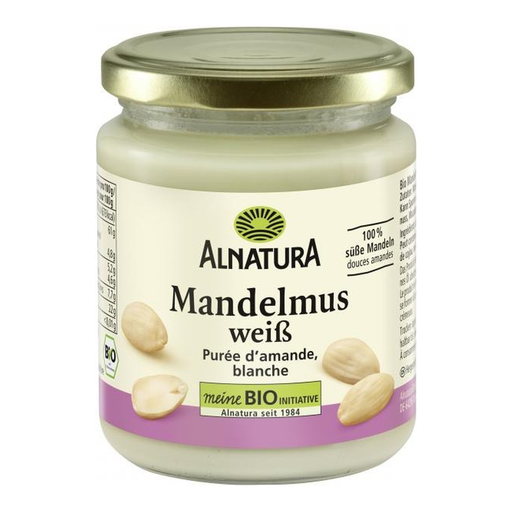
Alnatura Organic White Almond Butter, 250 g
This creamy almond butter works well as an ingredient in spreads or baking recipes, once you’ve checked whether the children you’ve invited have any allergies.
The product information lists 100% blanched organic almonds. Possible traces listed include peanuts, milk, hazelnuts, walnuts, cashews, macadamia nuts, sesame and lupin. Check the current pack for its organic certification and storage instructions. Stir in any separated oil before use.
View at Joybuy
 No image available
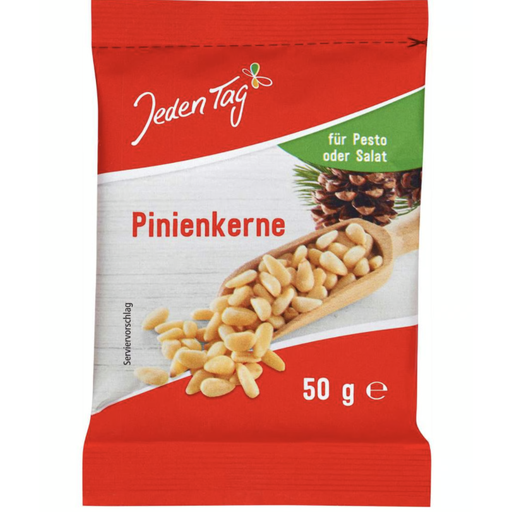
Jeden Tag Organic Pine Nuts, 50 g
These whole kernels are better suited as an ingredient in a planned recipe than as a party snack children can access freely. The product information warns of a choking risk for young children.
Pine nuts are listed as the ingredient. Possible traces of peanuts, cereals containing gluten, soya, sesame and other nuts are also noted. Check these statements and the organic certification against the specific pack.
View at Joybuy
Frequently asked questions
Can I serve whole organic nuts at a children’s birthday party?
Not as a freely accessible snack if young children are attending. The German Federal Centre for Nutrition recommends keeping whole nuts and almonds out of their reach, and offering nuts to young children only when chopped, ground or puréed, or as pure, sugar-free nut butter. Always check for known allergies before serving anything containing nuts.
How can I identify organic nuts on the packaging?
Check the specific pack for the EU organic logo and the name or code of the organic inspection body. According to the Verbraucherzentrale, the EU organic logo is required on packaged organic food produced in the EU. “Natural” on its own does not mean a product is organically certified.
Is it enough to ask generally about nut allergies before the party?
No. To choose a product, you need to compare the information you’ve received about known allergies with the ingredients and precautionary allergen statements on the pack you plan to use. The information for REWE Bio Almonds and EDEKA Bio My Veggie White Almond Butter shows that other potential allergens may be relevant alongside almonds. If you can’t establish whether anyone has an allergy, a shared snack containing nuts is not a reliable choice.
How should I store prepared nut ingredients until the party?
The German Federal Centre for Nutrition recommends storing shelled or chopped nuts in an airtight container, preferably in the fridge. Check any product that has been open for a while before using it. In almond butter, the oil and solid ingredients may separate; follow the stirring and storage instructions on the specific pack.


