Parents looking for organic ingredients for breakfast
For porridge, yoghurt or muesli, they want to choose nuts with clear organic certification and compare the ingredients in plain varieties with those in seasoned mixes.


For adults’ breakfasts, plain organic nuts or nut butter are options if the organic certification and ingredients on the specific pack meet your requirements. If a toddler is eating with you, the form matters most: according to the Healthy Start Network’s recommendations, whole and chopped nuts should be kept out of toddlers’ reach. Finely incorporated nuts or pure nut butter are different options, but you should still check the ingredients and allergens.
For porridge, yoghurt or muesli, they want to choose nuts with clear organic certification and compare the ingredients in plain varieties with those in seasoned mixes.
For them, the form of the nuts matters above all, as well as their certification. The Healthy Start Network advises keeping whole and chopped nuts out of toddlers’ reach because they can enter the airways.
They want to include nuts or nut butter in their regular shop, taking the ingredients, pack size and how quickly the product will be used after opening into account. For some products sold by retailers, local availability may also be a factor.
If a toddler is eating with you, first consider the form of the nuts. For the rest of your selection, compare the organic information and ingredients on the pack, and choose a size that suits how much you use.
| What to look for | What to check when buying | Who it matters to |
|---|---|---|
| Organic certification and ingredients | Check the EU organic logo, the control body code and the country-of-origin details on the pack, as well as the ingredients list. | If you specifically want organic nuts for breakfast, look for certification on the product itself rather than relying on a general claim about the brand. This clarity is a priority for around 28% of consumers. |
| Suitable forms for toddlers | Rule out whole and chopped nuts as snacks for toddlers; check the ingredients and allergens in nut butter or products with finely incorporated nuts. | If my toddler is eating with me, I need to make sure I don’t offer them hard nuts or pieces of nuts. An age-appropriate form is the top priority for around 27% of consumers. |
| Everyday shopping | Check that the retailer stocks the type of nut and product form you want, then read the information on the pack available in store. | If I make breakfast regularly, I want to be able to find a suitable type of nut as part of my usual shop. Easy availability is the top priority for around 27% of consumers. |
| Pack size and storage | Compare the pack size with how much you expect to use; plan to store opened shelled or chopped nuts in a container in the fridge. | If we only eat nuts occasionally, I want to finish an opened pack before its quality deteriorates. Planning how much to stock up on is the top priority for around 18% of consumers. |
The EU organic logo relates to how a product is produced, not its texture. The Healthy Start Network warns against giving toddlers whole or chopped nuts, as they can enter the airways.
Keep these nuts out of toddlers’ reach. If your child is eating with you, choose an age-appropriate preparation, such as nuts finely incorporated into a dish or pure nut butter, and check the allergens.
A brand may sell both plain and seasoned nuts without every product being certified organic. The description “plain” is no substitute for organic certification.
Check the EU organic logo, control body code, country-of-origin details and ingredients list on the product you’ve chosen.
If you don’t use nuts often, an opened pack may be left for a long time. Light, heat and oxygen can affect the quality of nuts, particularly chopped ones.
Choose a pack size that matches how much you actually use. The consumer advice centre recommends keeping opened shelled or chopped nuts in a container in the fridge. Don’t eat nuts that are mouldy or smell unusual.
A product page can help you narrow down your choice, but the ingredients and allergen information on the pack are what count for the product you actually buy. EDEKA explicitly notes that the online information for its organic walnut kernels may differ.
Before using the product, read the current ingredients list and allergen information on the pack.
REWE has an online category for organic nuts, including organic cashews and organic walnut kernels. This can help you compare different types of nuts when choosing what to have for breakfast.
For its EDEKA Bio walnut kernels, EDEKA lists walnut kernels from certified organic farming as an ingredient. This information applies to this product, not to every nut sold under the own-label brand.
ALDI SÜD outlines the requirements for its ALDI BIO own-label range, while ALDI Nord lists organic walnut kernels as an individual product. Check the information on the pack you actually buy.
Lidl sells both plain nuts and seasoned snacks under the Alesto brand. So, for an organic breakfast, it’s the certification of the individual product that counts.
Seeberger sells different types of nuts and pack sizes, including plain varieties. If you’re specifically looking for organic nuts, check the certification of each product.
This Joybuy selection includes nut butter and ground hazelnuts to spread or mix into breakfast dishes. The products vary in type of nut and texture, which is especially relevant if a toddler is eating with you. Check the organic certification, ingredients and allergens on each pack.
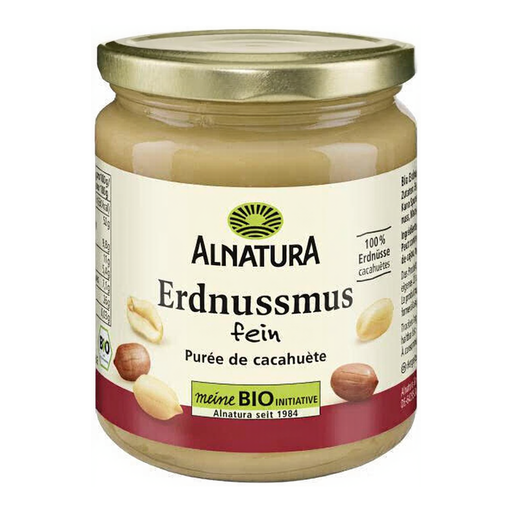 Image unavailable
A creamy peanut butter option for breakfast instead of whole kernels. The pack contains 250 g; check the organic information and allergen labelling before using it.
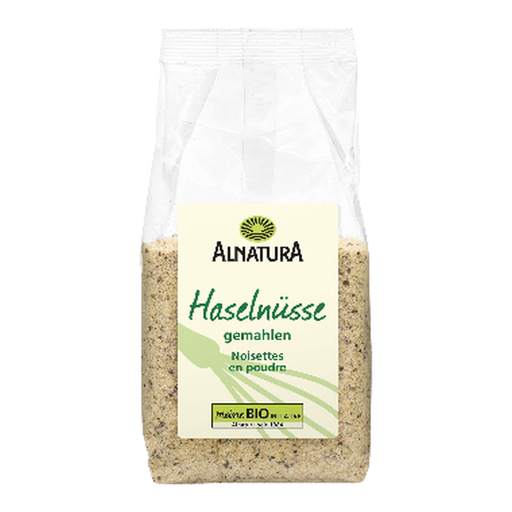 Image unavailable
Ground roasted hazelnuts can be mixed into a breakfast dish; the pack contains 150 g. If a toddler is eating with you, don’t serve the nuts dry as a snack, and check the allergen information.
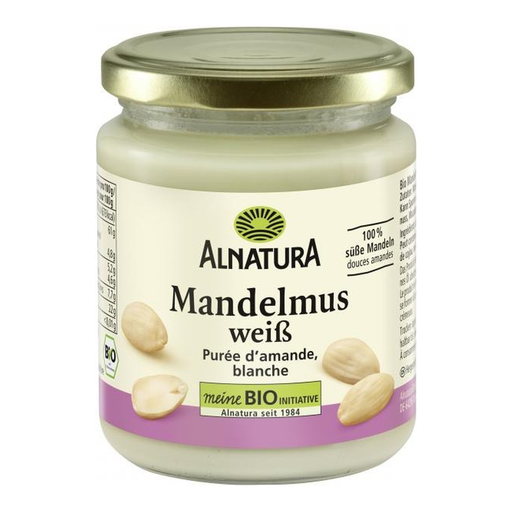 Image unavailable
White almond butter is an option to spread on bread or stir into dishes; the pack contains 250 g. Check the latest allergen information and storage instructions on the jar.
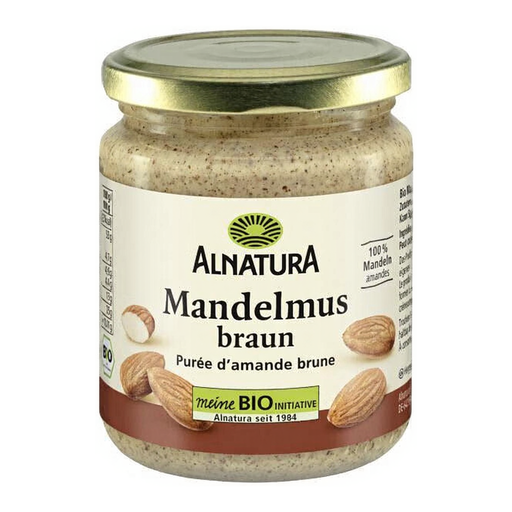 Image unavailable
Made from whole roasted almonds, this spread is an option for breakfast and contains 250 g. If a toddler is eating with you, check the actual texture and avoid pieces of nuts; also read the allergen information.
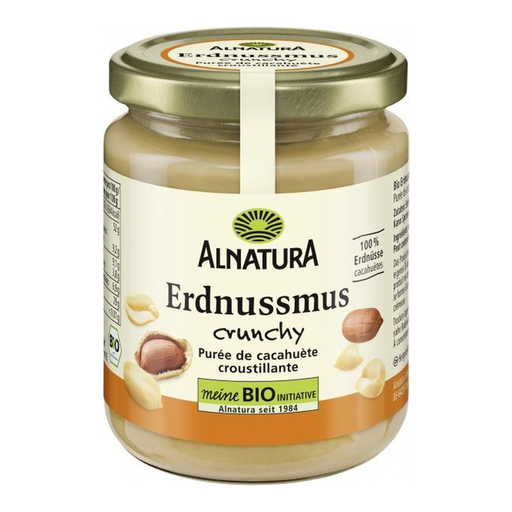 Image unavailable
A spread for adults who like peanut butter with a chunky texture; the pack contains 250 g. Because it contains pieces, it is not the same as smooth nut butter for a toddler who is eating with you.
For prepacked organic food in the EU, look for the EU organic logo, the control body code and the country-of-origin details for the agricultural raw materials. The European Commission explains that the logo may only be used for products that have undergone the relevant organic checks. A general description of the brand is no substitute for checking the specific pack.
Whole or chopped nuts should be kept out of toddlers’ reach, even if they are certified organic. The Healthy Start Network explains that pieces can enter the airways. When using finely incorporated nuts or pure nut butter, you should still take the preparation and any known allergies into account.
The consumer advice centre recommends keeping opened shelled or chopped nuts in a container in the fridge. Before using them, check for mould and any unusual smell or taste, and don’t use nuts that have spoiled.
Check the current ingredients and allergen information on every product you buy; don’t rely solely on an earlier pack or the online description. The consumer advice centre notes that precautionary warnings about accidental traces are not always required by law. If someone has a known allergy, follow their individual medical advice.
The official Lebensmittelwarnung platform publishes public recalls and other relevant food alerts for Germany. If you want to check an alert about nuts, compare the product name and the details on your pack with the information in the alert.