
Lieferung heute & morgen

Qualitätsgarantie

Willkommens-Angebote freischalten: KOSTENLOSE Lieferung | Bis zu 80 % RABATT | Kostenlose 30-Tage-JoyPlus-Testphase
App herunterladen
As a Joybuy Product Recommendation Officer, I see the vast diversity of food products available every day. Especially with a staple food like organic oat flakes, choosing between the different varieties and brands can be a challenge. Whether for a creamy porridge, a crunchy muesli, or for baking, the right type is crucial for the final result.
This guide is designed to help you understand the differences between the types of oat flakes and make an informed decision the next time you buy oat flakes. We will introduce you to a selection of products and provide you with practical criteria.
Choosing the right oat flakes depends mainly on how you plan to use them and your personal preferences. Here are two key points to make your decision easier.
The texture of your meal is largely determined by the type of flake. The names refer to how the whole oat groat is processed.
All the varieties mentioned are typically whole grain oat flakes, as the entire grain, including the germ and bran, is processed.
When you choose organic oat flakes, you are opting for a product from organic farming, which avoids the use of synthetic chemical pesticides and fertilisers. Look for recognised seals.
Based on the criteria above, we have compiled a selection of products suitable for various uses.
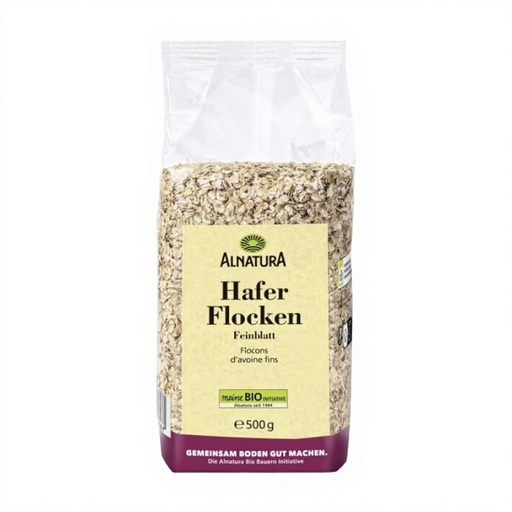
What makes them special These fine oat flakes are a versatile classic for the kitchen. They are made from the whole oat grain and their fine texture makes them ideal for quick preparation. According to the manufacturer, they are a natural source of fibre and plant-based protein.
Benefits
Who they're for These flakes are a great choice for anyone who prefers a creamy breakfast porridge or is looking for an all-purpose ingredient for smoothies, biscuits, and muesli bars.
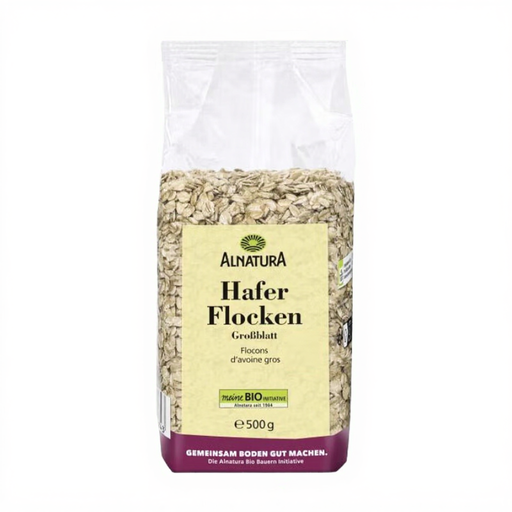
What makes them special According to Alnatura, these hearty large-leaf flakes come from German Bioland oat flake cultivation. They are rolled from the whole grain and offer a chewy texture that holds its shape even in liquid.
Benefits
Who they're for Perfect for lovers of crunchy muesli or for recipes where the flake structure should remain visible and palpable, such as in hearty breads or patties.
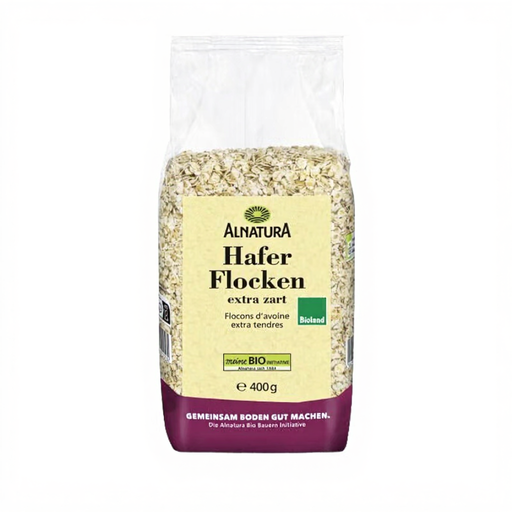
What makes them special These particularly fine-rolled oat flakes are designed for quick and easy preparation. According to the manufacturer, they dissolve well even in cold liquid, creating a very soft, creamy porridge. The oats are also sourced from German Bioland-certified farms.
Benefits
Who they're for Ideal for people who are short on time in the morning and want a quick, creamy breakfast. They are also a convenient option for preparing baby food or as an ingredient in smoothies.
The products featured are just a small sample of the available range. If you want to compare other brands or are looking for special oat products like oat bran or certified gluten-free flakes, you will find a larger selection in our broader category.
Discover our entire range of organic oat flakes here
1. What is the exact difference between fine and large flake oat flakes? The difference lies in the processing. Large flake oats are rolled from the whole oat groat and are therefore larger and have a firmer bite. For fine oat flakes, the groat is first cut into small pieces and then rolled, resulting in smaller, thinner flakes that absorb liquid more quickly and create a creamier consistency.
2. Are organic oat flakes more nutritious than conventional ones? The nutritional value of oat flakes, particularly the content of fibre, protein, vitamins, and minerals, is primarily determined by the oat variety and its processing as whole grain oat flakes. The main difference with organic products is in the cultivation: they are produced without the use of synthetic chemical pesticides and mineral nitrogen fertilisers, which many consumers prefer for ecological and health reasons.