
Lieferung heute & morgen

Qualitätsgarantie

Willkommens-Angebote freischalten: KOSTENLOSE Lieferung | Bis zu 80 % RABATT | Kostenlose 30-Tage-JoyPlus-Testphase
App herunterladen
By Joybuy Product Recommendation Officer, July 29, 2026
Organic oats seem like a simple choice for a healthy breakfast. Yet the reality on the supermarket shelf is often more complex. Between various organic seals, misleading health claims on crunchy granolas, and the simple question of whether rolled or quick-cooking oats are the right choice, shopping can quickly become overwhelming. Many well-intentioned purchases end in disappointment—whether from a soggy porridge or a supposedly healthy muesli that contains more sugar than expected.
This guide will help you navigate the typical pitfalls. We'll show you which objective criteria truly matter, so you can find the exact organic oat products that fit your needs.
Before you choose a product, it's worth examining three key features. These determine not only the taste and texture but also the quality and nutritional value of your breakfast.
The texture of your meal depends directly on how the oat groat is processed. The most common varieties are:
The choice, therefore, depends entirely on your intended use. For a creamy breakfast, quick oats are the better choice; for a chewy, store-bought muesli, rolled oats are preferable.
The green EU organic seal is a reliable standard that guarantees the absence of chemical-synthetic pesticides and fertilisers. However, some manufacturers go further and have their products certified according to the guidelines of organic farming associations like Bioland or Demeter. These standards often impose stricter requirements on the circular economy, animal welfare, and soil health. Products sourced from German Bioland farms, for example, also specifically support local organic agriculture.
Especially with processed products like organic crunchy granola, chocolate muesli, or oat bars, a close look at the ingredient list and nutrition facts is essential. An organic seal does not automatically mean a product is low in sugar. Pay attention to the following points:
Based on these objective criteria, we have compiled a selection of products suitable for different needs and preferences.

Why This Fits Their Persona: Ideal for those with little time in the morning who don't want to miss out on a nutritious, creamy porridge. The extra-fine milling ensures very quick preparation.
This product consists of 100% whole grain oat flakes with no added sugar. According to the manufacturer, the oats come from German Bioland farms, which ensures high product quality.
The extra-fine texture creates an exceptionally creamy organic porridge that dissolves quickly even in cold liquid. The sugar content is just 1.1 g per 100 g.
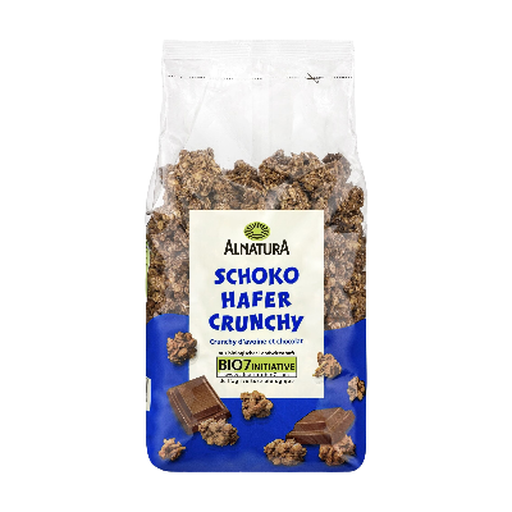
Why This Fits Their Persona: For anyone who prefers a ready-made, crunchy chocolate granola and values organic ingredients. It offers a convenient and flavourful breakfast option for the whole family.
Although it contains sugar to achieve its crunchy texture, all ingredients are transparently declared and sourced from organic farming. It contains no artificial flavours or additives.
The base consists of 54% whole grain oat flakes. The combination of dark and milk chocolate provides a balanced flavour. The 750g package offers great value for money.
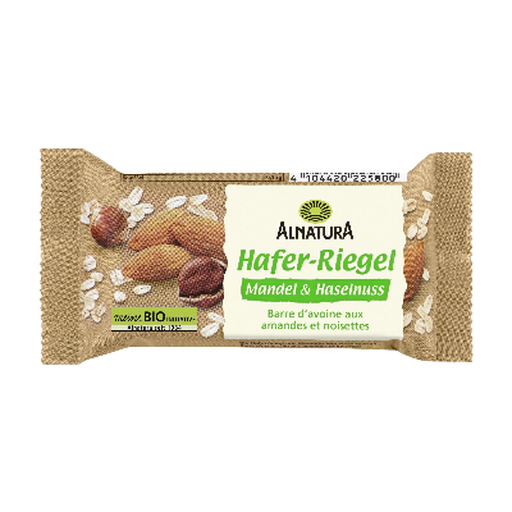
Why This Fits Their Persona: Perfect for active people looking for a convenient and nutritious snack for on the go, during sports, or at the office. The bar provides energy from complex carbohydrates and nuts.
This oat bar is based on 46% whole grain oat flakes and is sweetened with rice syrup and agave syrup. It avoids highly processed sweeteners like glucose-fructose syrup.
The combination of oats, almonds, and hazelnuts delivers a mix of carbohydrates, fats, and proteins. The handy 60g portion is practical for on the go.
We have compiled a complete, up-to-date list of products that fully meet these strict selection criteria and German regulations.
The difference lies in the processing. Rolled oats are made from the whole groat and are chewy. Quick oats are made from cut groats, are finer, and swell faster into a creamy texture. Your choice depends on whether you prefer a chewy muesli or a soft porridge.
No. Oat flakes are made from the whole oat groat. Oat bran, on the other hand, specifically consists of the outer layers and the germ of the groat. It has a particularly high fibre content and is often used as a nutrient-rich supplement to meals rather than serving as the sole base.
Pure, dry oat flakes have a very long shelf life when stored correctly. Store them in a cool, dry, and dark place in an airtight container. They will typically last for at least a year. For crunchy granolas or bars with added fats and nuts, you should refer to the best-before date on the packaging, as the fats can go rancid over time.