
Lieferung heute & morgen

Qualitätsgarantie

Willkommens-Angebote freischalten: KOSTENLOSE Lieferung | Bis zu 80 % RABATT | Kostenlose 30-Tage-JoyPlus-Testphase
App herunterladen
By a Joybuy Product Recommendation Officer, July 28, 2026
Organic oats are a staple in many households. They are considered the foundation of a healthy breakfast, are incredibly versatile, and come from organic farming. However, there are a few pitfalls when shopping that can lead to you paying more than necessary or getting a product that doesn't meet your expectations. This guide will help you separate the wheat from the chaff and find the right organic oats for your needs.
Before you buy organic oats, you should be aware of the common marketing tactics and product differences that often lead to poor purchasing decisions.
To find the right oats, focus on three objective characteristics that significantly influence their quality and use.
The texture of your meal depends directly on the type of flake. Both varieties are typically whole grain oats, as they are made from the entire oat kernel. The difference lies in the processing.
For many consumers, it's not just the organic quality but also the origin of the raw materials that matters. Pay attention to the information on the packaging:
The ingredients list should be short—ideally, it should only contain "whole grain rolled oats". For processed products like crunchy muesli, a close look at the nutrition facts and ingredients is essential. A high sugar content (often over 15g per 100g) can quickly turn a potentially healthy breakfast into a sweet treat. Pure oats naturally contain only about 1g of sugar per 100g.
Here are some product recommendations tailored to different needs and preferences.

Why it's a great fit: Ideal for those who are short on time in the morning and prefer a quick, creamy porridge or a soft muesli. The fine texture is also perfect for thickening sauces or for baking delicate pastries.
This product bypasses the "porridge" mark-up. It's pure, instant oats without expensive co-branding, making it perfect for porridge. It also contains no added sugar.
Consists of 100% whole grain oats from organic farming in Germany. Versatile for use in muesli, porridge, and baking.
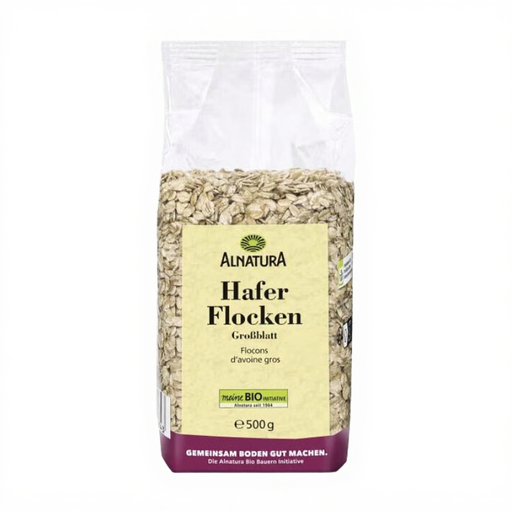
Why it's a great fit: Perfect for anyone who likes their muesli with a bit of a bite. These hearty flakes stay firm in milk or yoghurt and are excellent for homemade granola or oat cookies.
This product avoids the "organic" dilemma with a clear, high-quality certification. The oats come from German Bioland farms, which means stricter criteria than the EU organic standard.
The large-flake structure provides a hearty, chewy texture. According to the manufacturer, purchasing this product supports the Alnatura Organic Farmers Initiative for more organic farming in Germany.
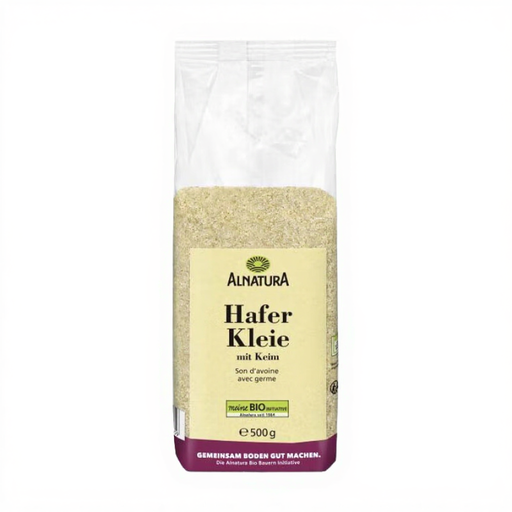
Why it's a great fit: For users who specifically want to increase their fibre and protein intake. Oat bran consists of the outer layers and the germ of the oat kernel and is versatile for use in muesli, yoghurt, smoothies, or baked goods.
This isn't a marketing gimmick but a specific product with a different nutritional profile than regular oats. It is clearly declared as "Oat Bran" and also comes from certified Bioland farms.
According to the nutritional information, the product contains 12g of fibre and 15g of protein per 100g. The raw materials come from German Bioland farms.
If you want to discover more organic foods online that meet objective quality criteria, you can find a wider selection here. We have compiled a list of products suitable for a conscious diet.
1. What is the exact difference between instant and rolled oats? The difference is in the manufacturing process. For instant oats, the oat kernel is first cut into smaller pieces (groats) and then rolled. For rolled oats, the whole kernel is rolled. This results in smaller, thinner flakes (instant) compared to larger, thicker flakes (rolled). Instant oats cook faster and become creamier, while rolled oats remain chewier.
2. Are organic oats automatically whole grain? In the vast majority of cases, yes. Oats are made from the entire oat kernel, including the bran, germ, and endosperm. Therefore, they are naturally a whole grain product. The "whole grain" label on the package is thus a confirmation of the standard process, not a special quality feature.
3. How do I store oats correctly for maximum shelf life? Oats should be stored in a cool, dry, and dark place. After opening, it is advisable to transfer them to an airtight container. This protects them from moisture, foreign odours, and pests, ensuring they stay fresh and flavourful for a long time. Proper storage prevents the fats they contain from going rancid.