
Lieferung heute & morgen

Qualitätsgarantie

Willkommens-Angebote freischalten: KOSTENLOSE Lieferung | Bis zu 80 % RABATT | Kostenlose 30-Tage-JoyPlus-Testphase
App herunterladen
By the Joybuy Product Recommendation Officer, July 29, 2026
Squeeze pouches have become a staple in the daily lives of many parents. They're convenient for on-the-go, ready in an instant, and a hit with children. But the vast selection of organic pouches can be overwhelming. Not every product advertised as "organic" or "no added sugar" is automatically the right choice for your child. We'll show you which pitfalls to look out for and how to make an informed decision.
On the supermarket shelf, many squeeze pouches look similar, but the differences are in the details. Marketing promises can easily be misleading. Here are three common issues that parents should be aware of:
To avoid falling into these traps, it's worth taking a close look at the product information. Three key parameters are crucial for selecting a suitable baby fruit purée.
A short and understandable ingredient list is usually a good sign. Make sure that fruit purée or fruit pulp is listed first, not fruit juice or fruit juice concentrate. Purées contain the whole fruit and therefore also valuable fibre.
The nutrition table reveals the true sugar content. Focus on the value for "of which sugars". Even if it is naturally occurring sugar from the fruit, this value should be in reasonable proportion to other nutrients like fibre. A good benchmark for a quality fruit purée is often around 10–12 g of sugar per 100 g, depending on the fruits used.
The age recommendation is an important indicator of the product's texture and composition.
To help you find your way, we have selected some products based on different requirements and use cases.
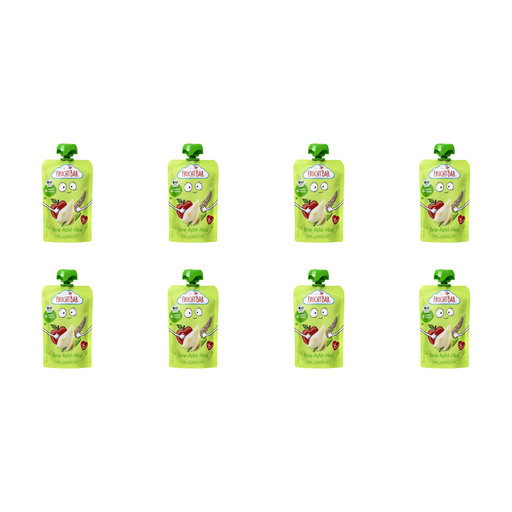
Why This Fits Their Persona: Ideal for parents who are starting to introduce solid foods and are looking for a mild, easily digestible option. The combination of low-acid fruits and gluten-free millet is gentle on a baby's tummy.
This product avoids the pitfall of inappropriate ingredients by using a simple recipe of apple and pear purée, supplemented with easily digestible millet flour. It contains no concentrates or unnecessary additives.
100% organic ingredients and a no-added-sugar recipe. The combination of fruit and grain provides good satiety.
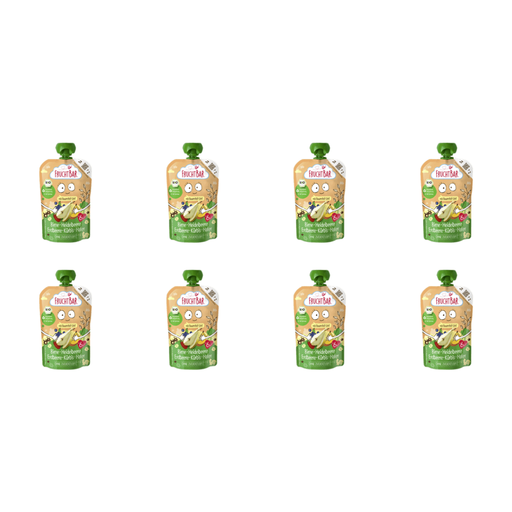
Why This Fits Their Persona: For parents looking to expand their child's palate. This variety introduces vegetables (pumpkin) and gluten-free oats alongside fruit to encourage a diversity of flavours.
This product debunks the myth that organic products can't be nutrient-dense. It intentionally combines fruit with vegetables and gluten-free oats to create a more balanced nutritional profile, rather than relying solely on fruit sweetness.
Contains 7% pumpkin purée and gluten-free whole grain oat flour. The recipe is diverse yet still has no added sugar and is made from certified organic ingredients.
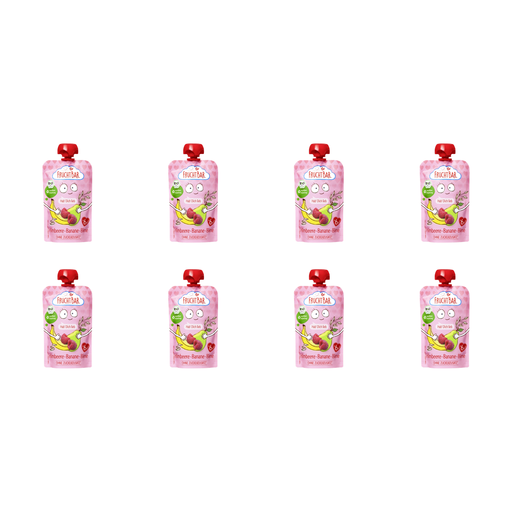
Why This Fits Their Persona: Perfect for families who use pouches regularly and want to stock up on a trusted favourite. The multi-pack of pouches is cost-effective and ensures a snack is always on hand.
This product avoids the sugar trap by forgoing added sugar or concentrates, despite using sweet fruits like banana and pear. The oat drink adds a creamy texture without unnecessarily increasing the sugar content.
Convenient 8-count multi-pack of a popular flavour combination. The recipe with 5% oat drink offers an interesting taste variation.
We've compiled a complete, up-to-date list of products that fully meet these strict selection criteria.
Opened pouches should always be stored in the refrigerator. Most manufacturers recommend consuming the contents within 24 to 48 hours. Always check the specific instructions on the packaging, as the shelf life can vary depending on the ingredients (e.g., those with dairy products).
Constant sucking on squeeze pouches can increase the risk of tooth decay, as the teeth are bathed in sugary fruit purée for an extended period. It is recommended to serve the purée under supervision, ideally from a spoon, or to encourage the child to drink the pouch quickly. Regular and thorough dental care is essential.
No, pouches are intended as a snack or as part of a meal (e.g., as a dessert). They do not replace a complete, balanced main meal, which should consist of various components like vegetables, proteins, and complex carbohydrates to meet the nutritional needs of a growing child.