
Lieferung heute & morgen

Qualitätsgarantie

Willkommens-Angebote freischalten: KOSTENLOSE Lieferung | Bis zu 80 % RABATT | Kostenlose 30-Tage-JoyPlus-Testphase
App herunterladen
As a Joybuy Product Recommendation Officer, I analyse product information daily to provide you with clear, objective guidance in a sea of options. When buying organic red wine, many encounter misleading promises and unclear labels. This guide will help you identify the crucial quality markers and make an informed decision.
The market for organic wine is growing, but not every bottle delivers on its promise. Pay attention to these three points to avoid disappointment.
To find a suitable organic red wine, you should check three core aspects. These will help you assess product quality objectively.
The green leaf of the EU organic seal is the basic standard. It ensures that the grapes were grown without the use of synthetic pesticides and herbicides. For a vegan wine, also look for recognised seals like the V-Label or the Vegan Flower. These guarantee that no animal-derived processing aids were used throughout the entire production process.
The origin provides important clues about the wine's character. An Italian organic red wine from Puglia, such as an organic Primitivo, typically tastes different from a Cabernet Sauvignon from France. Look for specific regions (e.g., Puglia IGP), as these often have higher quality standards than general country designations. The grape variety (e.g., Primitivo, Merlot, Cabernet Sauvignon) determines the fundamental aroma and flavour profile. A dry red wine is the most common style and is characterised by a low residual sugar content.
For enthusiasts who enjoy wine regularly and want to benefit from better value for money, a 6-bottle case of red wine is a sensible option. It not only reduces the packaging per bottle but also ensures you have your favourite wine in stock for various occasions. Many online retailers offer attractive red wine deals for purchases by the case.
Here is a selection of organic red wines tailored to different preferences and occasions.
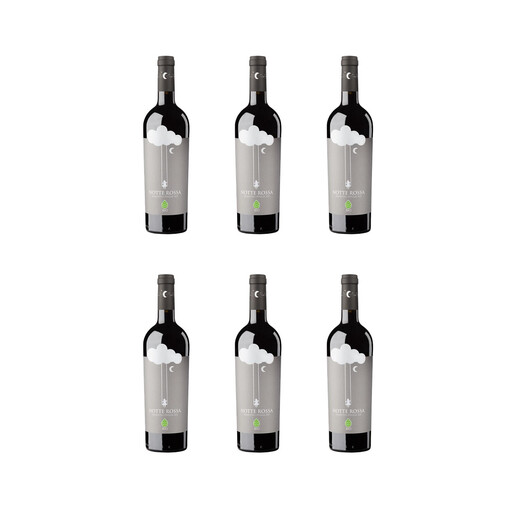
Why This Fits Their Persona: Ideal for those who appreciate the full-bodied, fruit-forward character of an authentic Primitivo from its home region of Puglia. A reliable companion for pasta and hearty dishes.
The Puglia IGP classification (Indicazione Geografica Protetta) guarantees a controlled origin and quality, which avoids the problem of vague labelling.
Single-varietal 100% Primitivo from a renowned producer (San Marzano). EU organic certified.
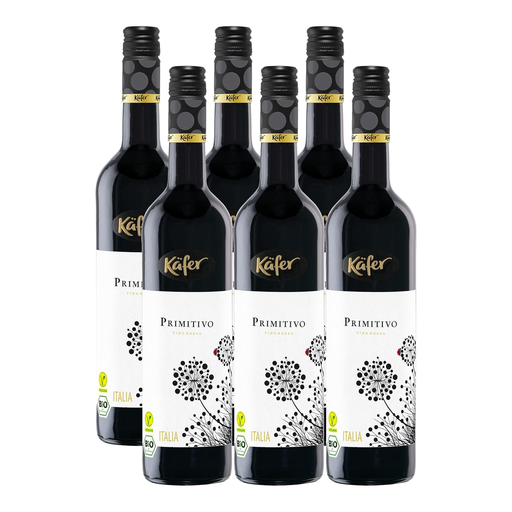
Why This Fits Their Persona: Perfect for buyers who are uncompromising on ethical standards and demand clear labelling for both organic cultivation and vegan production.
This wine directly addresses the pitfall of hidden animal-based fining agents with its explicit vegan certification.
Combines the EU organic seal with clear vegan labelling. A dry red wine that pairs well with many dishes.
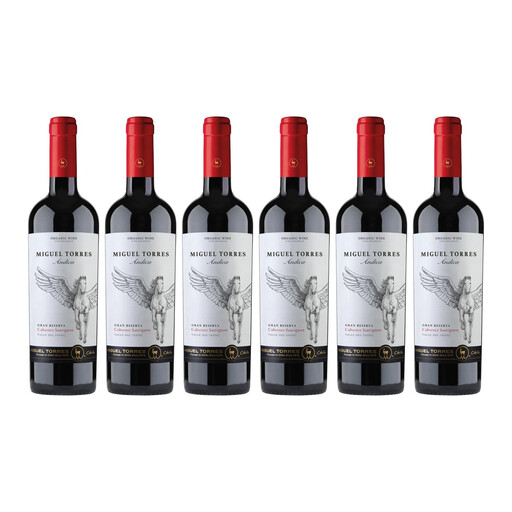
Why This Fits Their Persona: For wine drinkers looking to broaden their horizons and try organic quality from the New World. This Chilean Cabernet Sauvignon offers a powerful yet elegant flavour profile.
According to the company, producer Miguel Torres is known for its commitment to sustainability and Fairtrade, which goes beyond the minimum requirements of the organic seal.
Organic-certified wine from Chile (Central Valley). Offers an alternative to classic European grape varieties.
We have compiled a complete, up-to-date list of products that fully meet these strict selection criteria and UK regulations.
An organic red wine is made from grapes grown according to organic farming standards, meaning without synthetic pesticides and fertilisers. A vegan red wine additionally avoids the use of any animal-derived aids for fining and stabilisation during the entire winemaking process. Therefore, an organic wine is not automatically vegan.
As with conventional wine, the shelf life depends on the type of wine and how it is stored. An opened red wine should be tightly sealed and stored in a cool place. It will generally remain enjoyable for 2 to 4 days. Wines with higher tannin content tend to last slightly longer than lighter red wines.
Buying a 6-bottle case of red wine offers several advantages. Logistically, it is more efficient and environmentally friendly, as less packaging material is needed per bottle and transport is optimised. For the buyer, this often results in a price advantage compared to buying single bottles, making it an attractive red wine deal for regular enjoyment.