What should you look for when buying?
First, check that the organic label and ingredients match the variety you’re looking for. Then consider whether it suits your dietary needs, its portion size and how easy it is to buy for a day on campus.
| Criterion |
What to check |
Who it matters to |
| Organic labelling |
Check the EU organic logo and inspection body code on the specific pack; the German organic seal may also be shown. |
If I’m specifically looking for an organic bar, I want to be able to verify the labelling rather than rely on the product name alone. For around 31% of consumers, this certification is likely to be the main consideration when buying. |
| Ingredients and suitability |
Read the ingredients list, highlighted allergens and precautionary allergen information for the variety you’ve chosen. Don’t assume claims such as vegan or gluten-free apply to other varieties. |
If I need to avoid certain ingredients, I want to know before my break whether that particular variety is suitable for me. Around 25% of consumers are likely to consider suitability their main criterion. |
| Portion and nutritional values |
Compare the bar size, sugar and energy per bar; don’t confuse values per 100 g with values per portion. |
If I’m having a snack in addition to lunch in the university canteen, I want to know what’s in an actual portion. That’s why around 25% of consumers are likely to check portion size and nutritional information first. |
| Availability |
If you buy regularly, check whether the variety you want is available locally and have a suitable alternative in mind. |
If I want to take a bar with me regularly on my way across campus, I need to be able to buy one without spending ages looking for a replacement. For around 19% of consumers, this is likely to be the most important buying requirement. |
Organic bars at Joybuy for a day on campus
This Joybuy selection includes nut and oat muesli bars, as well as oat flapjacks, which could make handy extra snacks for a break. Check the packaging for the specific variety to see whether its organic labelling and ingredients meet your needs.
 No image available
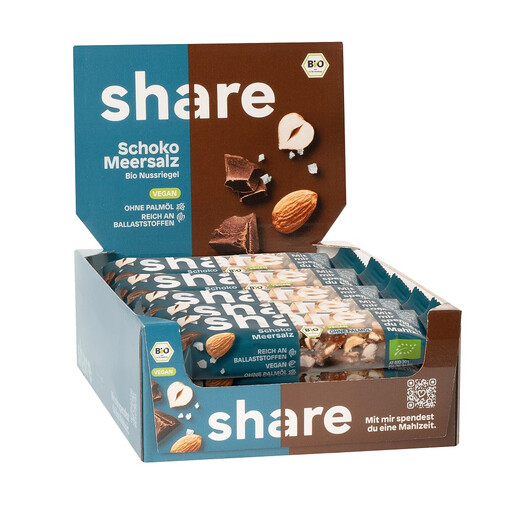
Share Organic nut bar with dark chocolate and sea salt, 15 × 35 g
This pack of 15 bars, each weighing 35 g, could be a good choice if you’re planning snacks for several breaks.
If you have specific dietary requirements, pay particular attention to the information about nuts, wheat and milk ingredients. The conflicting information about whether it’s suitable for vegans should be checked against the packaging. Check the organic labelling and nutritional values per bar there too.
View at Joybuy
 No image available
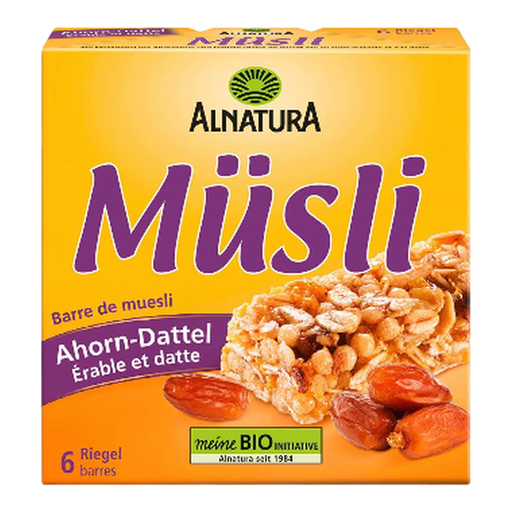
Alnatura organic muesli bar with maple syrup and dates, 6 × 25 g
The six 25-g bars are worth considering if you’re looking for smaller portions you can plan individually for a day on campus.
If you need to take gluten-containing cereals or other allergens into account, read the ingredients and precautionary allergen information on the packaging. Also check the organic certification and compare the nutritional values for a 25-g bar.
View at Joybuy
 No image available
Alnatura organic blueberry oat flapjack, 60 g
This 60-g oat flapjack could suit a break when you’re looking for one larger bar.
Compare the nutritional values for the whole bar and, if necessary, check the ingredients, precautionary allergen information, organic labelling and packaging format for the specific product.
View at Joybuy
 No image available
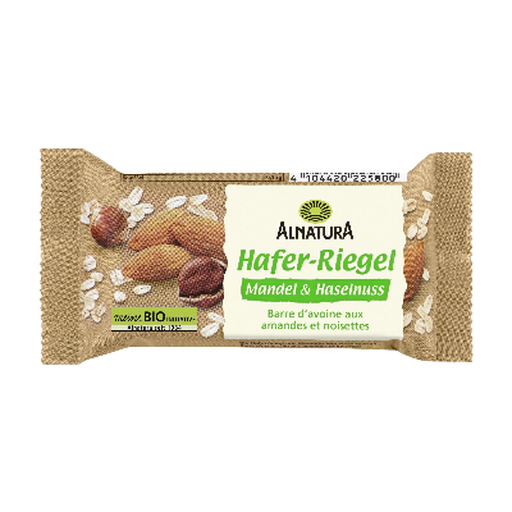
Alnatura organic almond and hazelnut oat flapjack, 60 g
This 60-g bar is an option if you’re specifically looking for an oat flapjack with almonds and hazelnuts.
This combination of ingredients isn’t suitable if you have a tree nut allergy. Also check the packaging for other allergen and precautionary allergen information, organic labelling and nutritional values for the whole bar.
View at Joybuy
Frequently asked questions
How can I identify the organic labelling on a bar?
Check the packaging for the EU organic logo and inspection body code. According to the Federal Ministry of Agriculture, Food and Regional Identity, the EU organic logo is compulsory on pre-packaged organically produced food from the EU; the German organic seal may also be used.
Is an organic bar automatically low in sugar or a replacement for lunch in the university canteen?
No. The organic label doesn’t mean a product is low in sugar or that a bar can replace a meal. If you’re planning to have it alongside lunch in the university canteen, compare the nutritional information for the actual bar portion.
Which allergens should I check in oat, nut and seed bars?
Check the ingredients and precautionary allergen information for the specific variety rather than relying on the type of bar alone. Depending on the product, gluten-containing cereals, peanuts, tree nuts, sesame, soya or milk may be relevant. The Federal Ministry of Agriculture, Food and Regional Identity explains the labelling requirements for certain allergenic ingredients.
Is the online product description enough if I have allergies?
Use the online information to narrow down your options, then check the packaging of the bar you’ve actually bought before eating it. EDEKA notes that online product information for its bars may differ from the details on the packaging.


