For a bike ride, an organic oat, muesli or fruit bar can be a handy portioned snack, as long as its ingredients, allergens and carbohydrate content per bar suit your needs. For longer or more intense rides, the organic label alone isn’t enough to plan your fuelling: according to the German Nutrition Society, the demands on your carbohydrate stores depend in particular on the duration and intensity of the effort.
Who might be interested in organic bars?
Cyclists planning their ride fuelling
If you’re packing bars for a longer or more intense ride, it’s worth knowing the weight of each bar and its carbohydrate content per serving. The German Nutrition Society notes that the duration and intensity of exercise are key factors in how much your carbohydrate stores are used.
Everyday cyclists who prefer organic food
For commutes or days out, they want a snack they can take with them and to distinguish regulated organic labelling from general claims such as ‘natural’. The consumer advice centre points to the EU organic logo as an important guide.
Cyclists with specific ingredient requirements
If you need to avoid certain ingredients or allergens, check the specific variety rather than relying on the brand name alone. The bars described by dm, Rapunzel and EDEKA24 differ in their grain and nut ingredients, among other things.
What should you look for when buying?
First, decide how the bar will fit into your ride fuelling; then check the organic labelling, ingredients and practicality of the specific variety. For longer or more intense efforts, the amount of carbohydrate you plan to consume is particularly important, as the German Nutrition Society explains in relation to the duration and intensity of exercise.
| Criterion | What to check | Who is it important for? |
|---|
| Carbohydrates and serving size |
Compare the carbohydrate content per 100 g with the weight of each bar and the amount you plan to take on your ride. |
For longer or more intense rides, I want to know how much carbohydrate the bars I’ve packed will provide. This planning need is a top priority for around 36% of consumers. |
| Organic labelling and ingredients |
Check the specific bar for the EU organic logo, organic inspection body code and ingredients list. |
If I’m specifically buying organic, I want to distinguish certified labelling from a general claim about being natural and be able to check the recipe. Around 29% of consumers prioritise this. |
| Taking it with you and storage |
Check the individual serving, pack size and storage instructions, particularly in warm weather. |
For a ride when there’s little room in my bag, I need a suitable portion and to be able to store the bar properly while I’m out. This is the most important point for around 21% of consumers. |
| Allergens and dietary requirements |
Read the highlighted allergens, may-contain warnings and ingredients for the specific variety. |
If I need to avoid certain ingredients or follow a particular diet, the exact bar variety must be suitable. Around 14% of consumers put this check first. |
Which common mistakes can you avoid?
-
Assuming organic means it’s suitable for fuelling your ride
The EU organic logo doesn’t tell you how much carbohydrate an individual bar contains or how much fuelling you’ll need for the duration of your ride. According to the German Nutrition Society, the duration and intensity of exercise affect how much your carbohydrate stores are used.
Check the carbohydrate content per 100 g alongside the bar’s weight, and take the portion you actually plan to eat into account.
-
Guessing allergens from ‘fruit’, ‘oat’ or ‘vegan’ on the label
These descriptions are no substitute for checking the ingredients and allergens. Product information from dm, Rapunzel and EDEKA24, for example, lists wheat, nuts or sesame in some varieties.
Check the ingredients list, highlighted allergens and may-contain warnings for every variety.
-
Confusing figures per 100 g with figures per bar
A figure per 100 g doesn’t directly tell you what you’ll get in the portion you eat: examples listed by dm and EDEKA24 include bars weighing 35 g, 40 g or 60 g.
Compare the nutrition information with the weight of each bar, not just the total weight of a multipack.
-
Overlooking storage advice for when you’re out and about
Rapunzel and EDEKA24 advise storing specific bars in a dry place or protecting them from heat. This matters when you’re carrying them for longer or riding in warm weather.
Read the storage advice for your chosen variety and, where possible, keep the bar out of direct sunlight while you’re out.
Brands to help you choose
dmBio
dm describes its organic oat and cocoa muesli bar as a 35 g serving and lists ingredients, nutrition information and an organic inspection body code for this variety.
- Information for each bar makes it easier to compare serving weight and nutrition values per 100 g.
- This variety contains wheat and hazelnuts; check the ingredients list again for any other dmBio bars.
Alnatura
EDEKA24 describes a range of Alnatura organic muesli, oat and fruit-and-nut bars, including maple and date, banana and almond, and oat, almond and hazelnut varieties.
- The ingredients, serving sizes and nutrition values of the listed varieties can be compared individually.
- Recipes vary: according to EDEKA24, the maple and date muesli bar contains glucose syrup, while the banana and almond bar contains almonds, honey and wheat ingredients, among other things.
Rapunzel
Rapunzel describes an organic muesli snack made with wholegrain flakes, sultanas, sunflower seeds, buckwheat and roasted hazelnuts.
- For this muesli snack, Rapunzel lists the ingredients, nutrition information, allergens and storage advice.
- This variety contains gluten-containing grains, nuts and sesame; Rapunzel recommends checking the information against the label on the specific product.
EDEKA Bio
EDEKA24’s German range of bars includes EDEKA Bio nut mix crunchy bars and sesame crunchy bars.
- The listed varieties offer different ingredient combinations to compare.
- Check the ingredients, allergens, serving weight and nutrition information on the pack you choose.
ALDI BIO / NUR NUR NATUR
ALDI SÜD describes its ALDI BIO own-label range as meeting the requirements of the EU organic regulation, and its bar category also features NUR NUR NATUR organic wholegrain oat bars.
- Brand and category information can help you search for a specific organic bar variety.
- Your decision should be based on the organic labelling, ingredients and nutrition information for the variety you actually choose.
Organic oat and muesli bars at Joybuy
This selection features Alnatura oat and muesli bars as solid snacks for bike rides. Compare serving sizes and check the organic labelling, ingredients and allergens on the specific pack for each variety. For longer or more intense rides, you’ll also need to plan your overall fuelling.
 No image available
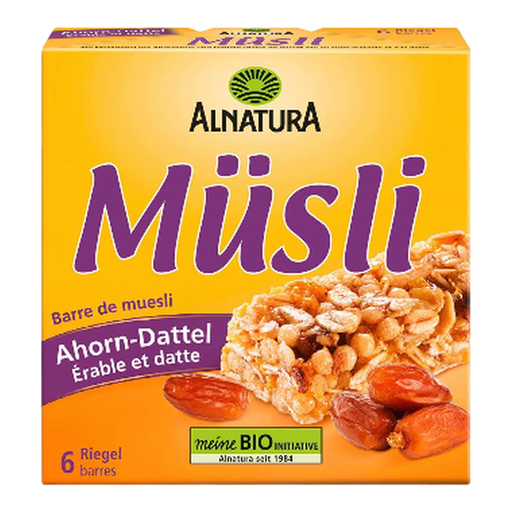
Alnatura organic maple and date muesli bars, 6 × 25 g
The individual 25 g portions can be packed separately for a ride.
EDEKA24 lists 69 g of carbohydrates per 100 g for this variety, as well as glucose syrup as an ingredient. Check the EU organic logo, organic inspection body code and allergen information on the specific pack.
View at Joybuy
 No image available
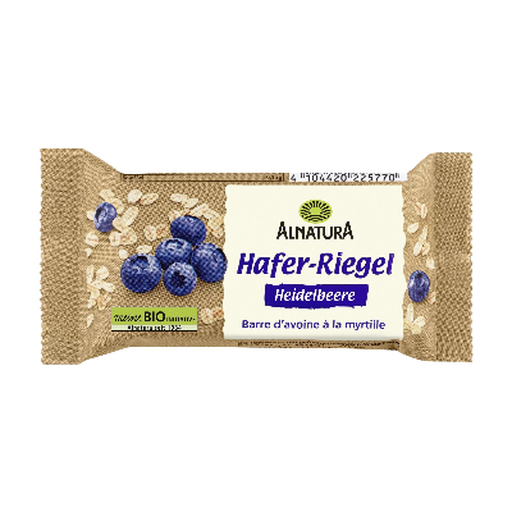
Alnatura organic blueberry oat bar, 60 g
This blueberry and oat variety could suit your ride plan if a 60 g pack is the right size for your intended serving.
Check how many bars are in the pack, as well as the carbohydrate content per serving, EU organic logo, organic inspection body code and allergen information.
View at Joybuy
 No image available
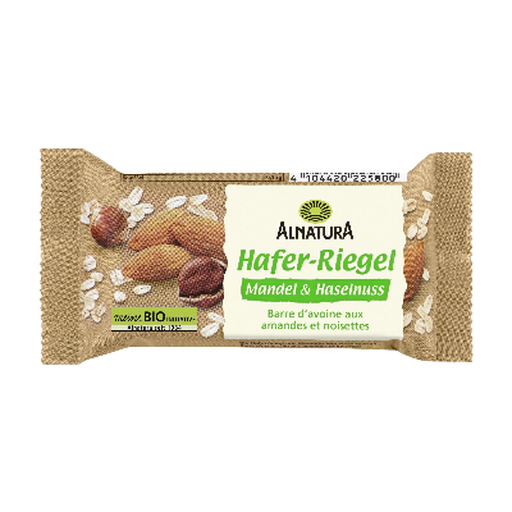
Alnatura organic almond and hazelnut oat bar, 60 g
This makes a handy snack for your ride only if oats, almonds and hazelnuts fit your ingredient requirements.
For the almond and hazelnut oat bar, EDEKA24 lists a pack weight of 60 g and 46% wholegrain oat flakes. Check the number of servings, any other allergens and may-contain warnings, as well as the EU organic logo and organic inspection body code on the specific pack.
View at Joybuy
Frequently asked questions
How can I tell if a snack bar is organic?
Look for the EU organic logo and organic inspection body code on the wrapped bar. The consumer advice centre explains how the EU organic logo is used on packaged organic products; a claim such as ‘natural’ is no substitute for this label.
Is one organic muesli bar enough for a long bike ride?
There’s no simple answer as to whether a single organic muesli bar is enough to fuel a ride. According to the German Nutrition Society, the demands on your carbohydrate stores depend in particular on the duration and intensity of the effort. So compare the carbohydrate content per bar with your overall fuelling plan.
Are vegan organic bars automatically allergen-free?
No. The word ‘vegan’ on its own tells you nothing about nuts, gluten-containing grains, sesame or possible traces. Check the ingredients, highlighted allergens and may-contain warnings for every variety.
How should I store bars on a bike ride?
Follow the storage advice for the specific variety. Rapunzel and EDEKA24 recommend storing some bars in a dry place or protecting them from heat. This is especially worth bearing in mind if you’ll be carrying them for a long time on a warm day.


