When choosing an organic snack bar if you have diabetes, don’t rely on the organic logo or the claim ‘no added sugar’ alone. What matters is the carbohydrate content of the amount you actually eat, the sugar content and the ingredients. If you have allergies, you should also check the labelling on the specific pack. The organic logo refers to how the product is made, not its nutritional value.
Who this guide is for
People who want to check the carbs in each bar
You want to choose a snack to take with you and know how many carbohydrates are in the amount you’ll actually eat. diabetesDE – Deutsche Diabetes-Hilfe stresses that the carbohydrates in food are relevant to your personal meal planning.
People who care about organic produce and ingredients
You’re looking for a bar made using organic methods, but don’t want to mistake the organic logo for a claim about sugar or carbohydrates. Check the organic labelling, nutritional information and ingredients list separately.
People who prefer fruit or nut bars
You’re interested in bars made with fruit, dates or nuts. As well as carbohydrates and sugar, check the specific ingredients and, if you have allergies, the allergen information and any warnings about traces.
What to look for when buying
Start by comparing the nutritional values per 100 g, then work out what they mean for the amount you plan to eat. Next, check the sweetening ingredients, organic labelling and, where relevant, allergens on the pack.
| What to check |
What to look for |
Who this matters most to |
| Carbohydrates per portion |
Check the carbohydrates per 100 g, as well as the weight and number of bars, then work out the amount for the bar you eat. |
If I eat a single bar, I want to be able to factor its carbohydrates into my personal meal plan. For around 42% of consumers, portion size is the top priority. |
| Sugar and ingredients |
Compare ‘of which sugars’ with the carbohydrate content; check the ingredients list for things like dates, fruit juice concentrates and syrups. |
When choosing a fruit or date bar, I want to know what’s behind a sweet-sounding ingredient or the claim ‘no added sugar’. Around 33% of consumers prioritise checking sugar and its sources in the ingredients. |
| Organic labelling and allergens |
Check for the EU organic logo and organic control body code; if you have allergies, read the ingredients list and any warnings about traces. |
If organic certification is a deciding factor for me, or I need to avoid certain ingredients, the labelling on the specific pack matters. For around 25% of consumers, this check comes first. |
Common mistakes when buying snack bars
-
Assuming organic means low in sugar
The EU organic logo refers to how a product is made. It doesn’t tell you how many carbohydrates or how much sugar a bar contains; organic bars can also contain sweet fruit ingredients.
Use the logo to check organic certification, then read the nutritional information and ingredients list too.
-
Reading ‘no added sugar’ as ‘sugar-free’
This claim doesn’t rule out naturally occurring sugars. The RAWBITE Cashew bar described by dm-drogerie markt contains 37 g of sugar and 43 g of carbohydrates per 100 g, despite the claim.
Always compare the total sugar and carbohydrate content, and work out how much is in your portion.
-
Assuming the values per 100 g apply to one bar
Values per 100 g make it easier to compare products of different sizes. The amount in the bar you eat depends on its weight.
Check the weight of an individual bar and calculate the nutritional values for the amount you actually eat.
-
Relying only on an older product description
Recipes and nutritional values can vary. ALDI SÜD specifically notes that its organic wholegrain oat bar with seeds may differ between suppliers.
Before buying, check the nutritional information, ingredients and allergen details on the current pack.
Brands to consider
The product ranges listed here include different types of bars and labelling. Whether a particular bar is right for you depends on the information on its current packaging.
Alnatura
The brand offers a range that includes organic fruit, nut, oat and muesli bars.
- Ingredients and organic labelling are listed for individual products.
- For its Fruchtmix fruit bar, Alnatura lists fruit ingredients as a source of sweetness. When choosing a bar if you have diabetes, the nutritional values for that particular variety and the portion size remain key.
RAWBITE
The Cashew variety featured here is an organic raw bar made with dates and nuts.
- dm-drogerie markt lists the ingredients and nutritional values for RAWBITE Cashew, describing it as plant-based and gluten-free.
- According to dm-drogerie markt, this variety contains 43 g of carbohydrates and 37 g of sugar per 100 g. The claim ‘no added sugar’ doesn’t replace checking the amount you eat.
EDEKA Bio
EDEKA24 stocks organic crunchy bars under this own-brand label, among other products.
- You can compare this type of product with other types of bars available from the retailer.
- Being part of the organic range says nothing about the carbohydrates, sugar or suitability of a specific variety if you have diabetes.
NUR NUR NATUR
ALDI SÜD lists an organic wholegrain oat bar with seeds among the products in this own-brand range.
- For this variety, ALDI SÜD lists 58 g of carbohydrates, 24 g of sugar and 5.9 g of fibre per 100 g.
- The retailer notes that nutritional values may vary between suppliers. For calculating a portion, use the information on the pack you buy.
Lidl Bio
Lidl Deutschland describes a range of organic products.
- Organic labelling can be used as a selection criterion in its own right.
- For a snack bar, check the carbohydrates, sugar, ingredients and, where relevant, allergens on the individual product.
Snack bars at Joybuy
This selection includes nut, oat and muesli bars with ‘Organic’ in the product name. For each variety, compare the nutritional information with your portion size. If you’re looking for organic certification, check the EU organic logo and organic control body code on the pack.
 No image available
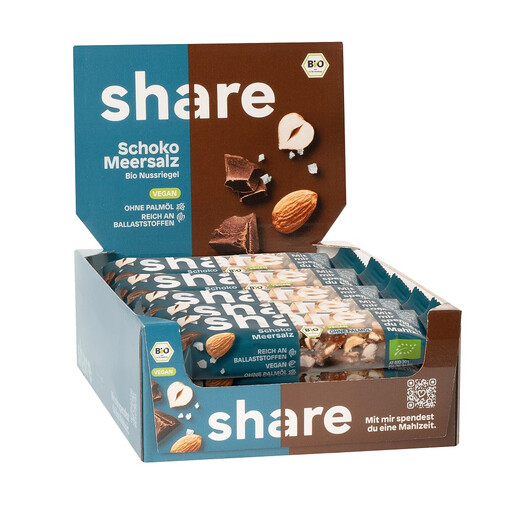
Share Organic Dark Chocolate & Sea Salt nut bars, 15 × 35 g
An option if you’re looking for individually portioned nut bars with dark chocolate and sea salt. Compare the carbohydrates and sugar in a 35 g bar; if you have allergies, check the ingredients and warnings on the pack. The word ‘Organic’ in the product name alone doesn’t confirm the labelling on the specific pack.
View at Joybuy
 No image available
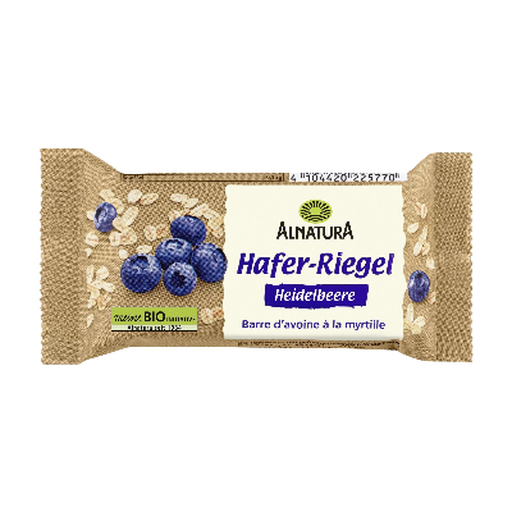
Alnatura Organic Blueberry Oat Flapjack bar, 60 g
If you’re choosing a blueberry oat flapjack, the weight of 60 g per bar is an important factor. Use the per-100 g carbohydrate information to calculate the amount in the portion you eat, and check the ingredients and organic labelling on the pack.
View at Joybuy
 No image available
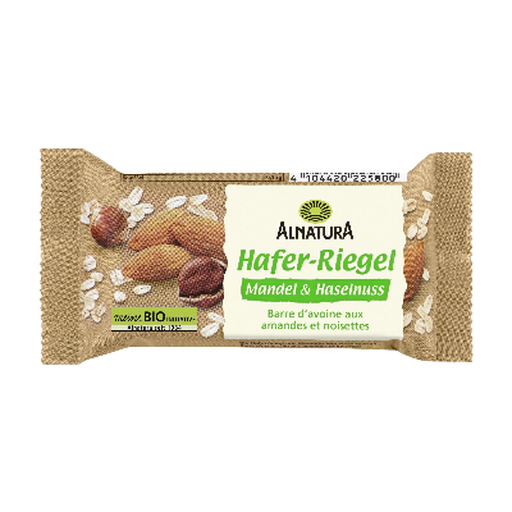
Alnatura Organic Almond & Hazelnut Oat Flapjack bar, 60 g
If you’re considering an oat flapjack with almonds and hazelnuts, use the nutritional information for the 60 g bar. Before buying, also read the ingredients and allergen labelling on the specific pack.
View at Joybuy
 No image available
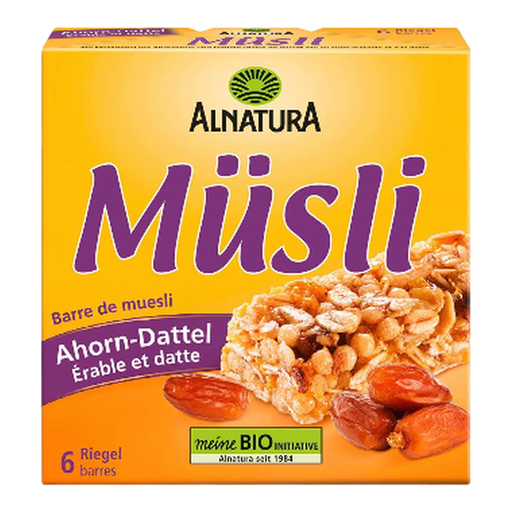
Alnatura Organic Maple & Date muesli bars, 6 × 25 g
The pack of six 25 g bars makes it easy to treat one bar as a portion. For this maple and date variety, check the sugar content and ingredients list on the current pack, as well as the carbohydrates.
View at Joybuy
Frequently asked questions
Is an organic snack bar automatically suitable if you have diabetes?
No. The organic logo refers to how a product is made, not the carbohydrates in a bar. diabetesDE – Deutsche Diabetes-Hilfe says that no foods are generally off limits for people with type 1 or type 2 diabetes. To make a personal choice, consider the nutritional values for the amount you eat and the ingredients.
Does ‘no added sugar’ mean a bar is low in sugar?
No. Naturally occurring sugars may still be present. For RAWBITE Cashew, dm-drogerie markt lists 37 g of sugar and 43 g of carbohydrates per 100 g despite the ‘no added sugar’ claim. So be sure to compare the nutritional values for the specific variety.
How do I use the per-100 g nutritional values for an individual bar?
Values per 100 g are useful for comparing products; to work out the values for one bar, you’ll also need its weight. A 25 g bar contains a quarter of the amount shown per 100 g.
How can I identify a packaged organic bar from the EU?
Look for the EU organic logo and the organic control body code. Verbraucherzentrale explains the labelling for packaged organic foods produced in the EU; the logo doesn’t tell you how much sugar or how many carbohydrates they contain.
What should I check for allergens in fruit and nut bars?
Read the allergen information on the specific pack and check any warnings about traces. Lebensmittelverband Deutschland explains that relevant allergens are identified in the ingredients list; an organic logo doesn’t replace this check.


