Parents of younger children
For them, the age recommendation for the specific variety, its texture, ingredients and allergens all matter. The manufacturer’s guidance on supervision and eating safely should also inform your choice.


An organic snack bar may be a good choice for a holiday outing with children if its organic certification is clear and its age recommendation, ingredients and allergens are suitable for your child. Also compare the sugar content per 100 g: organic certification and sweetness from fruit alone don’t tell you the total sugar content. Younger children should eat a bar sitting down and under supervision; portion size and packaging also matter when you’re out and about.
For them, the age recommendation for the specific variety, its texture, ingredients and allergens all matter. The manufacturer’s guidance on supervision and eating safely should also inform your choice.
A bar should be easy to take along for your planned break. Check the portion size and packaging, as well as the recipe, sugar content and any ‘may contain’ warnings.
If you’re specifically looking for an organic product, check the certification rather than relying on pictures of fruit or child-friendly packaging. The Verbraucherzentrale explains what the EU organic logo and the organic control body code mean.
When choosing organic bars for holiday outings with children, start by checking the certification and ingredients. Then consider your child’s needs and the type of break you have planned to decide which details matter most.
| Criteria | What to check | Who it matters most to |
|---|---|---|
| Organic certification and ingredients | Check for the EU organic logo and organic control body code; the ingredient listed first is the one present in the greatest quantity. | If you’re specifically looking for an organic bar, you’ll want to be able to verify its certification and key ingredients. Around 42% of shoppers put this check first. |
| Age suitability and allergens | Check the age recommendation for the variety, its ingredients, declared allergens and ‘may contain’ warnings against your child’s needs. | For a younger child or a known allergy, the specific variety needs to be suitable above all; guidance on supervision may also affect when and how it can be eaten. Around 33% of shoppers put suitability first. |
| Portion for eating on the go | Choose a portion size and packaging that work for your break; compare sugar per 100 g on a like-for-like basis. | If you’re stopping several times while out, the bar should be easy to pack and portion without losing sight of the nutritional information. This practical consideration comes first for around 25% of shoppers. |
Organic certification doesn’t tell you how much sugar a product contains. The Verbraucherzentrale points out that snacks for children can contain a lot of sugar or salt; sweetness from fruit is no substitute for checking the nutritional information.
Check the organic logo and nutrition table separately, and compare sugar per 100 g.
Age recommendations and recipes apply to individual products. According to dmBio, the dmBio Apple-Banana Fruit Bar is labelled as suitable from 1 year; Alnatura says its Banana-Berry-Oat Bar is suitable from 3 years.
Check the current age recommendation, ingredients, allergens and ‘may contain’ warnings for every variety. If your child has a diagnosed allergy, follow their individual medical advice.
MOGLi expressly warns that children should not eat its Cocoa Bar unsupervised or while lying down. It’s especially important not to overlook guidance on safe eating during active days out.
Plan a seated snack break under supervision for younger children, and follow the guidance on the specific pack.
dmBio offers fruit bars in its baby and children’s range. According to dmBio, its Apple-Banana Fruit Bar is certified organic and labelled as suitable from 1 year.
Alnatura’s range includes fruity oat and cereal bars for children, as well as oat bars for eating on the go.
MOGLi offers organic bars for children in a range of fruit, cocoa and oat recipes.
This selection includes cereal bars, a fruit bar and oat flapjack bars in a range of portion sizes. If you’re choosing an organic bar for a child, check the organic certification on each pack, along with the age recommendation, nutritional information and allergens. The varieties don’t all have the same ingredients or portion sizes.
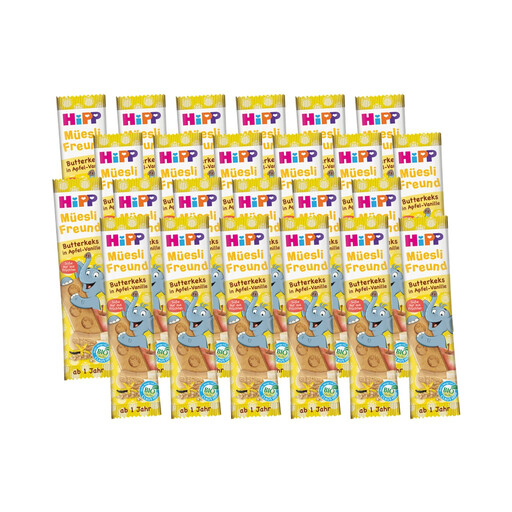 Image unavailable
The pack contains 24 individual 20 g bars, making them handy for breaks on the go; the age recommendation is from 12 months. Check the ingredients, allergens and sugar per 100 g for your child, along with the supervision guidance and organic certification on the pack.
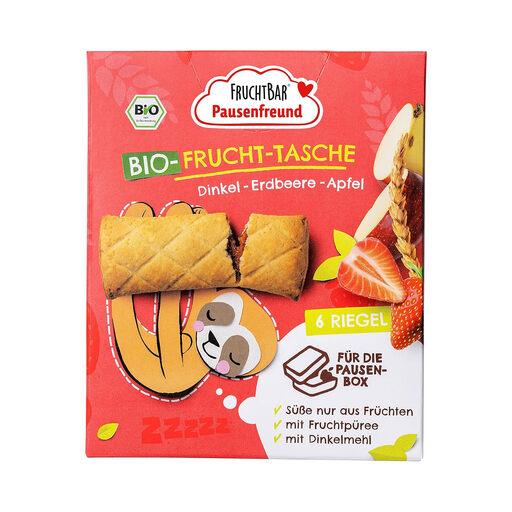 Image unavailable
The six 22 g portions may suit several breaks while you’re out; the age recommendation is from 3 years. Check the ingredients and ‘may contain’ warnings, sugar per 100 g and the organic certification on the current pack.
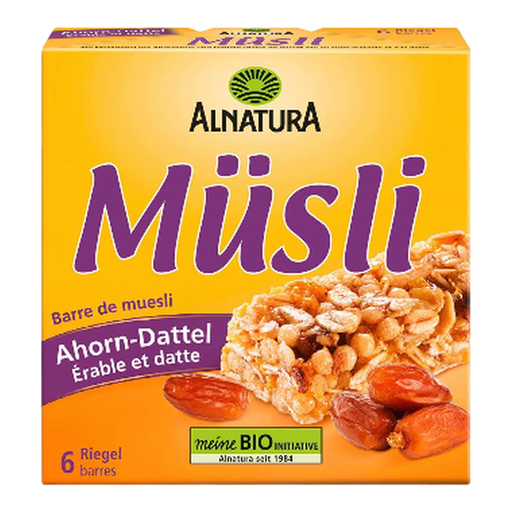 Image unavailable
Six 25 g bars are a handy option when you need individual portions for several breaks. For children, check whether the specific variety is suitable by looking at its ingredients, allergens and any age recommendation. Also compare the nutritional information and organic certification on the pack.
 Image unavailable
This single 60 g oat bar could be a good choice for a planned break. When choosing a bar for children, check that the portion size and ingredients are suitable; also look at the allergen information, nutritional details and organic certification on the pack.
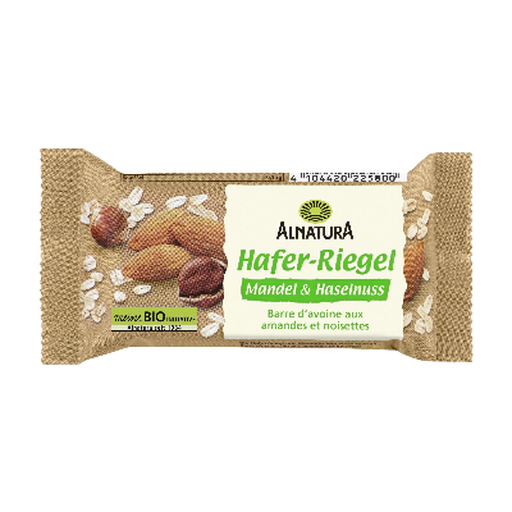 Image unavailable
This 60 g oat bar is a variety with almonds and hazelnuts for a break on the go. If children will be eating it, the ingredients and allergen information are particularly important; also check the portion size, nutritional information and organic certification on the pack.
For a pre-packed organic food from the EU, check for the EU organic logo and the organic control body code. The Verbraucherzentrale explains that the logo indicates compliance with European organic regulations; packaging that looks natural is no substitute for this certification.
No. The type of sweetener doesn’t tell you whether the total sugar content is low. Despite being sweetened with fruit, dmBio lists 37,9 g of sugar per 100 g for its Apple-Banana Fruit Bar. Compare the sugar content per 100 g across different bars.
Child-friendly packaging alone isn’t a reason to choose a bar. What matters is the ingredients and nutritional information, as well as an age recommendation and eating situation that are suitable for your child. Compare the specific variety rather than relying on the packaging design.
Read the current ingredients list and the allergen and ‘may contain’ information for every variety. The Verbraucherzentrale recommends checking the ingredients of pre-packed foods if you have allergies. For younger children, you should also follow the manufacturer’s supervision guidance and plan seated breaks for eating.