What should you look for when buying?
When choosing a wrapped bar for nursery, check the organic certification first, then the sugar content and portion size, and finally whether that specific variety is suitable for your child and the setting.
| Criteria |
What to check |
Who it matters most to |
| Organic certification and ingredients |
Check for the EU organic logo, the control body code and the origin information for the agricultural raw materials, then read the ingredients list. |
If I’m packing an organic bar, I want to be able to verify its certification and know what it contains; around 36% of consumers would put this transparency first. |
| Sugar and portion size |
Compare the sugar per 100 g and, where stated, per bar. Don’t assume that ‘no added sugar’ means ‘sugar-free’. |
For an occasional snack, I want to assess the sugar content of the portion itself, rather than rely on the front of the pack; around 36% of consumers would prioritise this. |
| Nursery, age and allergens |
Check the nursery’s current rules and compare the age recommendation, highlighted allergens and precautionary allergen advice for the specific variety. |
If the nursery restricts ingredients or your child has allergies to consider, the bar needs to meet both requirements; around 28% of consumers would check this first. |
Brands to help you choose
The information below relates to specific documented bars and product ranges, not every product from each brand.
Alnatura
Alnatura offers organic fruit bars and oat and fruit bars for children, including products with an age recommendation of 3 years and over.
- According to Alnatura, its Fruit Mix Bar contains 63% fruit; the brand states that its Apple and Strawberry Oat & Fruit Bar contains 54% wholegrain oat flakes.
- Alnatura states that its Oat & Fruit Bar may contain traces of soya, milk, almonds and nuts. Ingredients and allergen advice vary by product.
dmBio
dm offers its dmBio Apple and Strawberry Oat Fruit Bar for children aged 3 and over, and also describes it as a nursery snack.
- dm describes the recipe as having no added sugar. This refers to added sugar, not the total sugar content.
- dm lists 31 g of sugar per 100 g and states that the bar may contain traces of soya, almonds, hazelnuts and cashews.
Freche Freunde
Freche Freunde offers organic fruit, muesli and oat bars aimed at children.
- For its Apple & Carrot Bar, the brand states that it is organic, made with wholegrains and suitable for children aged 3 and over.
- Information about this bar is no substitute for checking the sugar, ingredients and allergens in other varieties.
EDEKA Bio
The range includes an organic sesame crunch bar.
- EDEKA labels this sesame bar as gluten-free and lactose-free; this information applies to this product.
- The bar contains sesame, glucose syrup, sugar and honey. EDEKA lists 35.5 g of sugar per 100 g and says that it may contain traces of peanuts and tree nuts.
Snack bars at Joybuy
This selection includes muesli bars and an oat flapjack that may be suitable for a nursery lunchbox, depending on their pack size. The key things to check are the organic certification on the pack, the ingredients and allergens, and whether the product is suitable for your child and the setting’s rules.
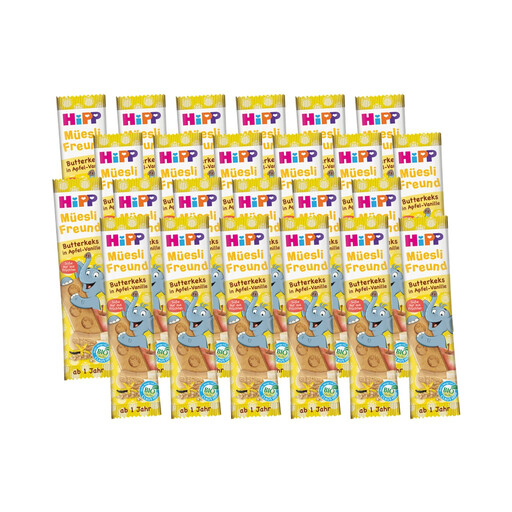 Image unavailable
HiPP Organic Butter Biscuits Apple and Vanilla muesli bars, from 12 months, 24 × 20 g
The 20 g bars may be a good choice if you’re looking for a small portion for the lunchbox and the age recommendation in the product name, from 12 months, is right for your child.
Check the pack for the EU organic logo and control body code, as well as the ingredients, allergens and guidance on eating under supervision.
View at Joybuy
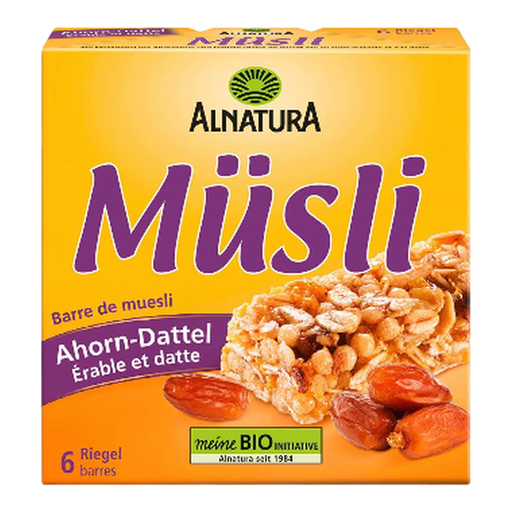 Image unavailable
Alnatura Organic Maple & Date muesli bars, 6 × 25 g
The pack of six 25 g bars can be useful when planning individual snack portions.
Before packing one for your child, check the organic certification, sugar content, allergens and age recommendation on the pack.
View at Joybuy
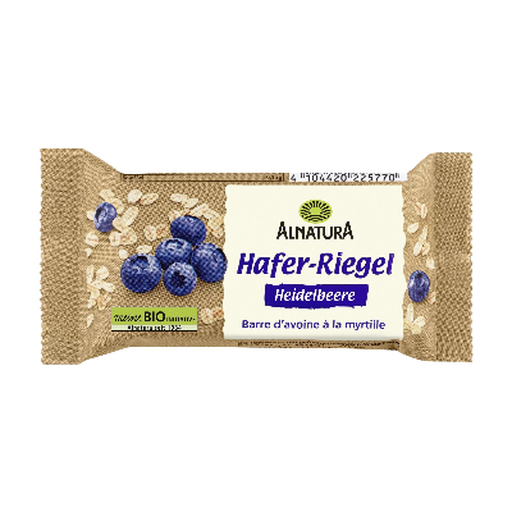 Image unavailable
Alnatura Organic Blueberry Oat Flapjack Bar, 60 g
The 60 g oat flapjack may be more suitable if this portion size works for the planned snack break.
Compare the sugar per 100 g and per portion, and check the organic certification, age guidance, ingredients and allergens on the specific pack.
View at Joybuy
Frequently asked questions
How can I tell if a bar is certified organic?
For pre-packed organic food produced and sold as organic in the EU, the EU organic logo is one indication. The European Commission explains that it can only be used after certification by an approved control body. You should also check the control body code and the origin information for the agricultural raw materials.
Is a bar with no added sugar also sugar-free?
No. Fruit ingredients can still contain sugar. Check the sugar content in the nutrition information and read the ingredients list; a claim on the front of the pack doesn’t tell you the total sugar content.
Should I ask the nursery before packing a bar?
Yes, if you’re not sure about the rules for snacks brought from home. Ask the setting which ingredients or packaging are allowed and how it manages food allergies in particular. The guidance from kindergesundheit-info.de covers how to discuss food arrangements with your child’s nursery.
Where can I find the allergens in a wrapped bar?
Allergens must be highlighted in the ingredients list, as explained in the European information on food labelling. Also read the precautionary allergen advice on the specific pack and check both against your child’s needs and the nursery’s rules.
Is the ingredients information in an online shop enough for the lunchbox?
Use it to help narrow down your options, but check the pack you’ve bought before giving it to your child. EDEKA warns that the product information shown for its Sesame Crunch Bar may differ from the packaging.


