What should you look for when buying?
When comparing snack mixes, start by checking the energy per 100 g and the portion you plan to eat. Then see whether the ingredients, organic labelling and seasoning meet your other priorities.
| Criterion | What to check when buying | Who it matters to |
|---|
| Calories and portion size |
Compare kcal per 100 g and pack size, and bear in mind how much you’ll actually eat. |
If I mainly want to keep an eye on calories while snacking, a small portion size shown on the front of the pack isn’t enough. Around 33% of consumers put this comparison first. |
| Protein and fibre |
Compare the figures per 100 g and check the salt content of seasoned varieties too. |
For a snack at work or on the go, I want to know how much protein and fibre the specific product contains. Around 27% of consumers prioritise this. |
| Organic status and ingredients |
Check the EU organic logo, control body code and ingredients list. |
When shopping at a health food shop, I want to be able to check the organic labelling and recipe, rather than assume either from the name. This is the most important consideration for around 20% of consumers. |
| Flavour and suitability |
Check the seasoning, salt per 100 g and any highlighted allergens on the current pack. |
When I choose a savoury mix, I want the seasoning to suit my taste; if there are ingredients I can’t tolerate, the allergen information is essential. Around 20% of consumers put this need first. |
Brands to consider
The examples below relate to individual products and product types, not an assessment of each brand’s entire range. A roasted snack, tinned chickpeas and a nut bar each serve a different purpose.
Hülsenreich
Organic chickpeas as a roasted, seasoned snack.
- For the Sweet Onion variety, REWE lists 332 kcal, 22 g of protein and 29 g of fibre per 100 g.
- According to REWE, the same variety contains 2.5 g of salt per 100 g; these figures don’t necessarily apply to other seasonings.
Holle
REWE describes its Bio Fruit Mix as a fruit snack made with freeze-dried strawberries, apples and raspberries.
- The three fruits listed make it easy to see what this mix contains.
- Fruit contains natural sugars. For a calorie comparison, check the nutritional information on the specific pack.
EDEKA Bio
Organic chickpeas and a crunchy nut bar offer different snack and ingredient options.
- For the chickpeas described, EDEKA lists 115 kcal, 6.9 g of protein and 0.28 g of salt per 100 g.
- Tinned chickpeas aren’t a ready-to-eat crunchy snack mix. The crunchy nut bar described contains ingredients including nuts, raisins and honey, and shouldn’t be considered low in calories just because it’s labelled organic.
REWE Bio
Organic chickpeas as an ingredient for a snack portion you put together yourself.
- REWE stocks a 215 g pack of organic chickpeas.
- For calorie decisions and comparisons with roasted snacks, the nutritional information on the specific pack is what matters.
followfood
Organic trail mix with nuts and dried fruit for anyone looking for this combination.
- The variety described by REWE combines nuts and dried fruit in one mix.
- If you’re choosing with calories in mind, compare the energy, sugar and portion size shown on the specific pack.
Snack alternatives at Joybuy
This selection features two pulse-based snacks as alternatives to classic snack mixes: edamame to eat after defrosting and lentil cakes for nibbling. Both are individual products, not ready-made mixes; it’s still important to check the nutritional information and portion size when considering calories.
 No image available
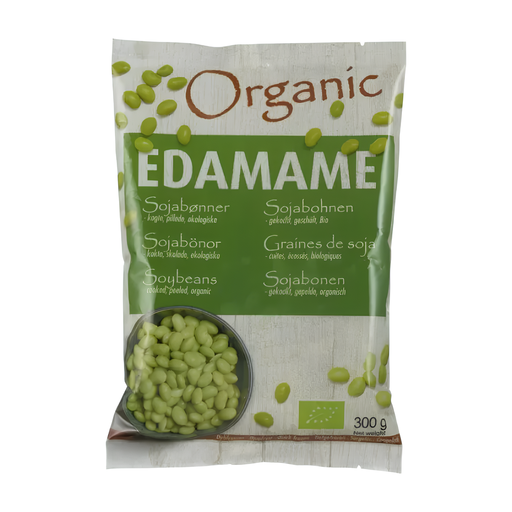
Nordic Seafood Organic Edamame, shelled soybeans, 300 g
An alternative if you’d prefer edamame as a snack instead of a dry snack mix.
Defrost this frozen product before eating and use it on the same day once defrosted. It contains soya; check the logo and control body code on the pack for its organic labelling.
View at Joybuy
 No image available
Alnatura Organic Lentil Cakes, 100 g
An option if you’re looking for a crunchy lentil snack rather than a snack mix.
Check the energy per 100 g against the portion you plan to eat. Also check the current pack for organic labelling and soya allergen information.
View at Joybuy
Frequently asked questions
Should I compare calories per portion or per 100 g?
Start by comparing snack mixes by their kcal per 100 g, then take into account how much you’ll actually eat. Lebensmittelklarheit explains that nutritional information for solid foods is given per 100 g; any additional portion size shown may not represent the entire contents of the pack.
How can I identify the organic label on a packaged snack?
Look for the EU organic logo and the stated organic control body. The Verbraucherzentrale recommends checking these details on packaged organic foods from the EU. For calories, sugar, salt and allergens, you’ll also need to read the information for the specific product.
Can nut mixes be part of a calorie-conscious snack choice?
Yes, as long as you choose your portion mindfully rather than assuming they’re low in calories. The German Nutrition Society describes nuts as a source of unsaturated fatty acids, protein and fibre; to compare them with another snack, check the kcal per 100 g and how much you eat.
What should I check in a savoury snack mix besides calories?
Check the salt and allergen information on the current pack, especially for seasoned mixes. EDEKA lists 2.9 g of salt per 100 g for one snack mix; other mixes or recipes may have different values.
What does ‘reduced energy’ mean on a snack?
‘Reduced energy’ is a regulated claim, not simply another way of saying that a food is low in calories. Under EU Regulation (EC) No 1924/2006, it requires an energy reduction of at least 30% and an explanation of what causes the reduction. When deciding what to buy, still compare the kcal per 100 g and the portion you plan to eat.


