
Lieferung heute & morgen

Qualitätsgarantie

Willkommens-Angebote freischalten: KOSTENLOSE Lieferung | Bis zu 80 % RABATT | Kostenlose 30-Tage-JoyPlus-Testphase
App herunterladen
Choosing a solid shampoo is often about more than just hair care. It's a step towards more conscious consumption, less plastic waste, and a return to ingredients that respect your hair and scalp. However, the organic natural cosmetics market can be overwhelming. Not every product that looks natural meets the criteria for truly sustainable and effective care.
As your Joybuy Product Recommendation Officer, I'll help you identify the crucial features and avoid common pitfalls. This way, you can find a solid shampoo that not only aligns with your values but also meets your hair's specific needs.
Before you make a decision, it's important to know the most common issues that can lead to dissatisfaction and, ultimately, wasted money.
To avoid these pitfalls, focus on three verifiable criteria. These will help you objectively assess a product's quality.
Don't rely on marketing promises; look for recognised certifications. These guarantee compliance with strict standards.
Also, check the INCI list (International Nomenclature of Cosmetic Ingredients). Ensure it contains no silicones (identifiable by endings like "-cone" or "-xane") or harsh sulphates like Sodium Lauryl Sulphate (SLS). Milder alternatives like Sodium Coco-Sulphate (SCS) are common in natural cosmetics.
As mentioned, this is the key technical difference. For a straightforward application that doesn't require an acidic rinse and maintains scalp balance, a syndet-based solid shampoo is the more practical choice. It is formulated to match the skin's pH and cleanses gently without disrupting its natural equilibrium. Hair soaps can work well for some hair types but require an adjustment period and additional care steps.
A good organic solid shampoo offers not just sustainable packaging but also targeted care.
Here are some recommendations tailored to different user profiles that meet the quality criteria mentioned above.
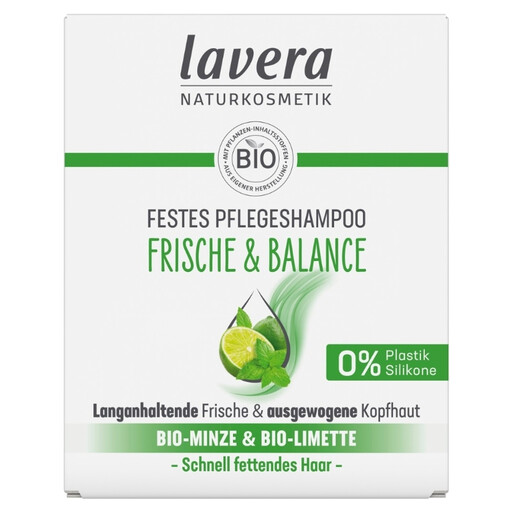
Why This Fits Their Persona: Ideal for those who follow a consistent, plastic-free lifestyle and are looking for a straightforward yet effective product for daily hair washing that keeps the scalp in balance.
This is a pH-neutral shampoo bar (syndet), not a hair soap. An acidic rinse isn't necessary. The Ecocert COSMOS ORGANIC certification confirms its organic quality and bypasses mere greenwashing.
The formula with organic mint and organic lime provides a noticeable fresh feeling and supports scalp balance. The packaging is recyclable, and the product is biodegradable.
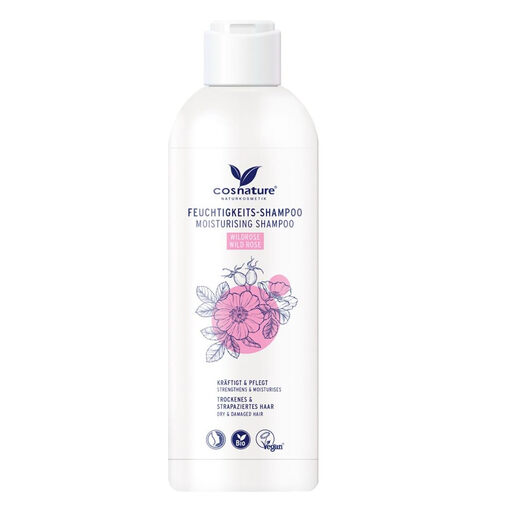
Why This Fits Their Persona: Perfect for those wanting to switch to certified organic quality but prefer the familiar application of a liquid shampoo. A gentle introduction to the world of natural cosmetics.
The NATRUE and Vegan certifications offer reliable assurance. The transparent INCI list shows it is free from silicones, parabens, and SLS, thus avoiding the 'natural-look' trap.
Provides gentle cleansing and intensive moisture with organic rosehip oil and wheat protein, ideal for dry hair without the need to get used to a solid format.
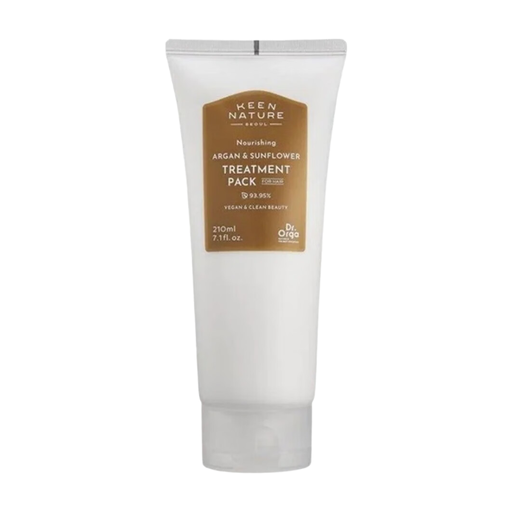
Why This Fits Their Persona: The ideal complement for solid shampoo users who are looking for an additional, intensive conditioning treatment to leave hair supple, nourished, and easy to detangle.
This conditioner avoids the silicone pitfall by relying on genuine conditioning benefits from high-quality oils, rather than just creating a superficial smoothness. The vegan formula is transparent and ingredient-focused.
The formula with argan, sunflower, and aloe vera extract deeply nourishes the hair, helps repair damage, and leaves it silky soft—a perfect complement to the pure cleansing action of a solid shampoo.
We've compiled a complete, up-to-date list of products that fully meet these strict selection criteria.
1. How long does a solid shampoo last? The longevity of a solid shampoo is one of its biggest advantages. A 50-60 gram bar can last for about 2 to 3 months, depending on hair length and washing frequency, replacing roughly two to three bottles of conventional liquid shampoo. The key to its durability is proper storage: let the shampoo bar dry completely after each use in a dry place, for example, on a loofah disc or in a soap bag.
2. Is solid shampoo or hair soap better for my scalp? This depends on your scalp and your willingness to incorporate extra care steps. Solid shampoos (syndets) are pH-neutral and therefore generally more straightforward and better suited for sensitive scalps or beginners. Hair soaps are alkaline and often require an acidic rinse to rebalance the scalp's pH and remove soap residue. For a stable scalp balance without an adjustment period, a solid shampoo is usually the easier choice.
3. Does solid shampoo leave residue in the hair? A high-quality, syndet-based solid shampoo should not leave any residue when rinsed out thoroughly. It essentially behaves like a concentrated liquid shampoo. Residue, often described as a "waxy" or "dull" feeling, is a more common issue when using hair soap, especially in regions with hard water. The aforementioned acidic rinse helps to counteract this.