
Lieferung heute & morgen

Qualitätsgarantie

Willkommens-Angebote freischalten: KOSTENLOSE Lieferung | Bis zu 80 % RABATT | Kostenlose 30-Tage-JoyPlus-Testphase
App herunterladen
The market for organic tea is growing steadily, and the selection on store shelves is getting bigger all the time. However, not every product that looks natural meets the high expectations for quality and purity. Many consumers invest in supposedly high-quality teas, only to find out later that they've fallen for clever marketing. Before you buy your next organic tea, it's important to know the most common pitfalls.
The 3 Most Common Traps When Buying Organic Tea:
To avoid these problems, you should look for a few fundamental quality characteristics when making your choice.
A conscious purchasing decision is based on transparent information. Instead of being guided by marketing promises, focus on the following three objective parameters.
The most important feature of genuine organic tea is a recognised certificate. The EU organic seal (the green leaf with stars) is the mandatory standard in Germany and the EU. It guarantees that the ingredients come from certified organic farming, which prohibits the use of synthetic chemical pesticides and fertilisers. Always look for this seal on the packaging. Products without this seal are not legally "organic" products, even if the presentation suggests otherwise.
A short and clear ingredients list is often a sign of high quality.
The choice between loose-leaf tea and tea bags is not just a matter of taste, but also of quality and material.
Instead of making a one-size-fits-all recommendation, we have selected products for different needs and flavour profiles.
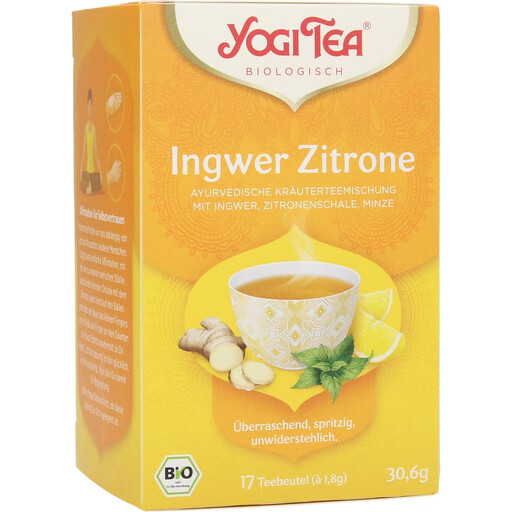
Why it's a great fit: Ideal for anyone looking for a functional, warming tea to support their well-being. The Ayurvedic recipe of Yogi Tea Organic is designed for a balancing effect and is a popular organic ginger tea for the cold season or an invigorating start to the day.
The product avoids the "flavouring" trap with a transparent ingredients list featuring real spices like ginger (43%), lemon peel (4%), and dried lemon juice (2%) instead of added flavourings.
Caffeine-free tea with 100% organic ingredients. The complex, spicy-fresh flavour composition is based on a traditional Ayurvedic tea recipe.
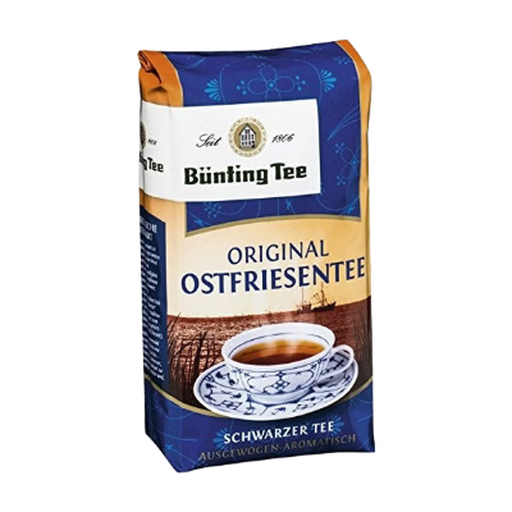
Why it's a great fit: For lovers of a strong, traditional black tea. This blend offers the authentic, robust flavour of a classic East Frisian tea, but with the assurance of certified organic quality. Perfect for the classic tea ceremony with rock sugar and cream.
This product consists of a single ingredient: Black Tea. There are no hidden flavourings or sugars. The Bünting brand represents a long-standing tea tradition, which suggests a careful selection of tea leaves.
Authentic, strong organic black tea flavour. Its origin from a traditional German tea company guarantees a classic taste profile.
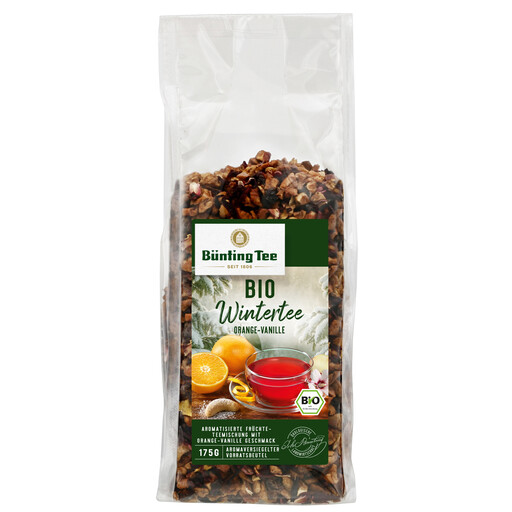
Why it's a great fit: Perfect for tea drinkers who avoid tea bags and want to control the intensity of their brew. As a loose-leaf organic tea, this blend offers a full-bodied, fruity experience and is ideal for cosy evenings as it is naturally caffeine-free.
The ingredients list is transparent and based on real fruit pieces like apple (30.2%) and orange peel (9.8%). Instead of undefined flavourings, it uses "natural citrus flavour" and "Bourbon vanilla extract" from organic farming.
High-quality loose-leaf organic tea allows for customisable strength and full flavour development. The blend is a naturally caffeine-free tea and has no added sugar.
We have compiled a complete, up-to-date list of products that fully meet these strict selection criteria and German regulations.
You can identify high-quality organic tea by a combination of three factors: the official EU organic seal on the packaging, a clear and short ingredients list with real fruit or herbal components instead of generic "flavourings," and the quality of the format. For loose-leaf tea, the leaves and pieces should be clearly visible; for tea bags, look for unbleached, compostable material.
Loose-leaf organic tea often provides a superior flavour experience because the tea leaves can expand freely in the water, releasing more aromas. You also avoid any bag material. However, tea bags, such as those offered by Teekanne Bio, are more convenient and, if made from the right material (e.g., unbleached paper), are also a good option. The decision ultimately depends on your personal priority between depth of flavour and convenience.
That depends on the plant the tea is made from. Organic black tea, green tea, white tea, and oolong tea naturally contain caffeine. An organic herbal tea (e.g., from chamomile, peppermint, ginger) or a fruit tea is typically a caffeine-free tea. Check the information on the packaging to be sure.