
Lieferung heute & morgen

Qualitätsgarantie

Willkommens-Angebote freischalten: KOSTENLOSE Lieferung | Bis zu 80 % RABATT | Kostenlose 30-Tage-JoyPlus-Testphase
App herunterladen
As a Joybuy Product Recommendation Officer, I see it as my duty to bring clarity to the often confusing wine market. Those specifically searching for organic vegan wine want to make a conscious choice—for their enjoyment, the environment, and animal welfare. Yet, this is precisely where pitfalls lurk that can lead to poor purchasing decisions. This guide will help you identify the right criteria for your selection and find wines that meet your standards.
The search for the right wine can quickly become complicated when you value sustainability and vegan production methods. Two common assumptions often lead people astray:
To ensure you are getting a wine that is both organic and free from animal products, you should check two key aspects.
The crucial difference between a conventional and a vegan wine lies in the fining process. During this step, hazy particles are bound and removed from the wine to make it clear. While animal proteins are traditionally used, winemakers producing wine free from animal products use plant-based or mineral alternatives.
Look for mentions of the following fining agents:
Wines that are certified vegan guarantee the absence of animal-derived additives throughout the entire production process.
Don't be guided by flowery descriptions alone. The most important information is right on the label and helps you objectively assess the wine's character:
The decision to buy wine online offers the advantage of quickly comparing these facts in product descriptions and putting together a suitable organic wine case.
Here is a selection of wines tailored to different needs and taste profiles.
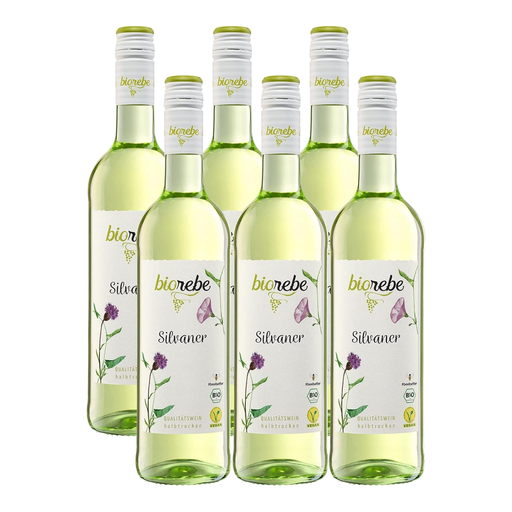
Why This Fits Their Persona: Ideal for anyone looking for an uncomplicated and approachable vegan white wine for daily enjoyment. Its semi-dry character and German origin make it a reliable companion for light dishes or an evening glass. The 6-pack also offers practical value for money.
This wine is explicitly declared as organic and vegan. This eliminates the guesswork of whether the criteria are met—the combination of organic cultivation and vegan fining is clearly stated.
A harmonious balance between a subtle residual sweetness and a refreshing acidity. Very approachable and versatile.
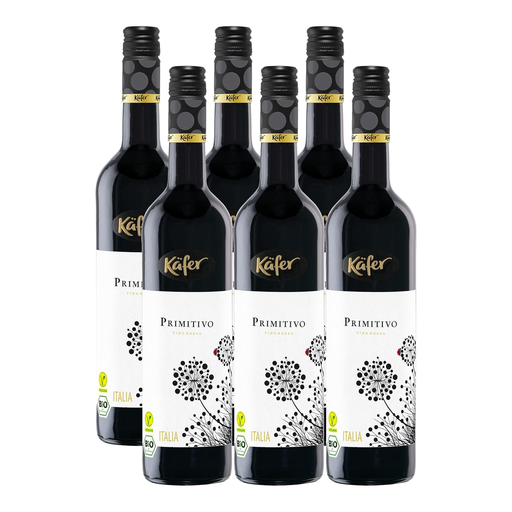
Why This Fits Their Persona: Perfect for wine lovers seeking a characterful vegan red wine with a clear origin. The Primitivo from Apulia (Italy) is known for its intense fruit and full body. This dry red wine is an excellent pairing for hearty dishes like pasta or grilled vegetables.
This wine combines the popular Primitivo grape with certified organic and vegan production. This allows explorers to enjoy a specific grape variety without compromising on their ethical standards.
Made from 100% Primitivo grapes, it offers an authentic taste experience with rich fruit notes and a smooth finish.
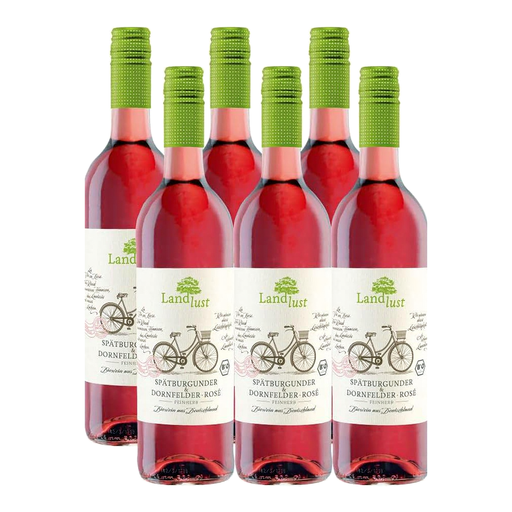
Why This Fits Their Persona: A rosé wine is a versatile all-rounder for social gatherings. The semi-dry profile appeals to a wide range of palates and pairs excellently with salads, antipasti, or light meat and fish dishes. Ideal for parties, barbecues, or as an aperitif where all guests can find something to enjoy.
This wine offers an uncomplicated, crowd-pleasing option without cutting corners on organic and vegan standards. It proves that even wines for a broad audience can be produced transparently and sustainably.
Pronounced fruit aromas of strawberry and raspberry. The semi-dry style makes it particularly easy-drinking and pleasant.
We have compiled a complete, up-to-date list of products that fully meet these strict selection criteria and regulatory standards.
1. How can I tell if a wine is truly vegan? The most reliable method is to look for an official certificate on the label, such as the European V-Label (a yellow circle with a green "V"). Alternatively, many producers who forgo certification will state "vegan" or "vegan-friendly" directly in the product description. When in doubt, the winery's website often provides more detailed information.
2. How long does vegan organic wine last? The shelf life of vegan organic wine does not differ from that of conventional wines. It depends on the grape variety, acidity, alcohol content, and storage conditions. Most white and rosé wines are intended for early consumption (within 1–3 years). Robust red wines can often be stored for longer. Always store your wines in a cool, dark place with a constant temperature.
3. Is vegan wine always organic? No, the two properties are independent of each other. A wine can be vegan but come from conventional agriculture. Conversely, an organic wine may have been fined with animal products. If you want both, you must specifically look for products that carry both an organic seal and a vegan label.