
Lieferung heute & morgen

Qualitätsgarantie

Willkommens-Angebote freischalten: KOSTENLOSE Lieferung | Bis zu 80 % RABATT | Kostenlose 30-Tage-JoyPlus-Testphase
App herunterladen
As your Joybuy Product Recommendation Officer, I keep a close watch on the market for organic white wine. The growing interest in sustainably produced wines is encouraging, but it has also led to an overwhelming selection. Before you buy organic wine online, it's helpful to know a few common pitfalls that can lead to an unsuitable choice.
To ensure the wine meets your standards for quality and taste, you should check three core aspects.
The most important feature of a genuine organic wine is the EU organic logo—the stylised leaf made of white stars on a green background. This seal guarantees that the viticulture complies with the strict regulations of the EU's eco-regulation. This primarily includes:
When buying online, always look for this logo in the product description or on the bottle's label. It is the only reliable proof of controlled organic cultivation.
The indication of flavour profile is legally regulated and refers to the residual sugar content in the wine. For consumers, two categories are particularly relevant:
The choice depends on your personal preference. However, the "dry" designation is an objective parameter that helps you identify a wine with low sugar content.
Even with organic wines, the grape variety is the main determinant of its character. The focus on organic cultivation can even bring out the varietal-specific aromas more clearly. Here is a brief guide to popular varieties:
Instead of making a one-size-fits-all recommendation, we have matched products from our range to different user profiles to make your decision easier.
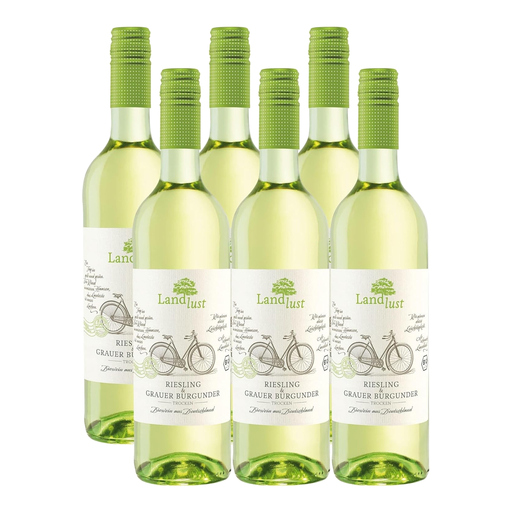
Why this product is a great fit: Ideal for anyone looking for an uncomplicated yet high-quality, clean wine for daily enjoyment. The practical white wine case of six bottles covers your needs for social evenings or as a pairing for light meals. Made in Germany, it combines reliability with a commitment to sustainability.
This product carries both the official EU organic seal and a clear vegan label. This eliminates the risk of confusing "organic" with "vegan" from the outset.
The cuvée of Riesling and Grauburgunder offers a well-rounded balance of fruit (pear, almond) and acidity, making it a very versatile food partner for fish, pasta, or salads.
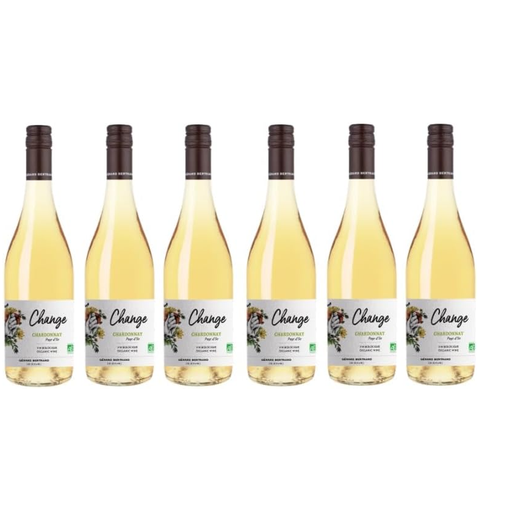
Why this product is a great fit: For wine drinkers who value origin, terroir, and a renowned producer. Gérard Bertrand is a leading name in biodynamic viticulture. This organic Chardonnay from the French Pays d'Oc represents a modern, expressive style of wine.
The product goes beyond a mere "organic look." The certification (FR-BIO-01) and the winemaker's name represent a verifiable commitment, which, according to the manufacturer, has been recognised with the "Green Emblem" by Robert Parker.
Ageing in stainless steel tanks preserves the fresh fruit of the Chardonnay, while the 14.0% ABV provides a powerful body and good structure. Contains sulphites, according to the manufacturer's information.
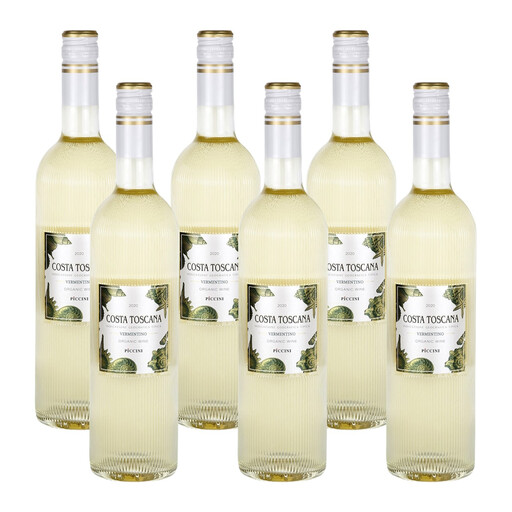
Why this product is a great fit: An excellent choice for fans of dry, mineral-driven white wines. This Vermentino from Tuscany offers a characteristic, subtly saline character that makes it the ideal partner for seafood and light appetisers.
The product description is precise and avoids vague marketing language. The mention of a "distinct mineral character" and a "slightly salty finish" signals to connoisseurs that this is an authentically dry wine.
The production technique (batonnage), where the yeast is stirred, gives the wine additional complexity and texture, according to the manufacturer, setting it apart from simpler white wines.
We have compiled a complete, up-to-date list of products that fully meet these strict selection criteria and legal regulations.
An organic wine is made from grapes grown without synthetic pesticides and fertilisers, certified by the EU organic logo. A vegan white wine also avoids all animal-derived processing aids throughout the entire production process, especially during fining. Therefore, an organic wine is not automatically vegan, and vice versa.
Like conventional wine, an opened bottle of organic white wine should be tightly sealed and stored in the refrigerator. It will typically retain its freshness for 2 to 4 days. Wines with a screw cap and higher acidity (like Riesling) tend to last slightly longer than full-bodied wines in bottles with a cork.
Look for a transparent product description. Reliable indicators include: