
Lieferung heute & morgen

Qualitätsgarantie

Willkommens-Angebote freischalten: KOSTENLOSE Lieferung | Bis zu 80 % RABATT | Kostenlose 30-Tage-JoyPlus-Testphase
App herunterladen
Organic white wine suits so many occasions: dinner parties, as an accompaniment to vegetarian dishes, for vegan guests, or as a stock for a larger gathering. At the same time, the options differ significantly in origin, grape variety, flavour profile, alcohol content and certification. If you only look out for terms like "natural", "sustainable" or "fruity", you won't be comparing the important product features properly.
An organic white wine comes from certified organic farming. That alone doesn't tell you whether the wine has been made vegan-friendly. During winemaking, animal-derived fining agents can be used, for example. For a vegan diet, you should therefore look for an explicit "vegan" label or a corresponding manufacturer's statement in the product details.
The EU organic logo or a control number is also a useful check point. Examples include DE-ÖKO-039, FR-BIO-01 or CL-BIO-001. You can find the specific certification body on the label or in the product information.
A dry organic white wine contains only limited residual sugar. The taste can still come across as fresh and crisp thanks to pronounced acidity. Conversely, a medium-dry wine can seem balanced despite moderate sweetness if the acidity offsets it enough.
If you prefer less sweetness, look specifically for "dry" and also pay attention to the grape variety and description. For guests with different preferences, a medium-dry Riesling or Silvaner can be more accessible.
A white wine in a 6-pack usually contains six bottles of 0.75 litres each, so 4.5 litres in total. That can be handy for parties, regular meals or catering. For occasional drinkers, buying individual bottles is often better, because opened bottles only stay fresh for a limited time.
After opening, white wine should generally be resealed and stored chilled. The manufacturer's specific recommendation is what matters. With several bottles, it's also worth checking your storage space, drinking pace and best-before date.
A traceable organic claim shouldn't just appear in the marketing description; it should also be visible in the product data or on the label. Look out for:
"Organic" describes the cultivation and permitted production conditions. It is not a blanket statement about taste, alcohol content or individual tolerance.
The grape variety gives you a first steer:
The grape variety doesn't replace a full tasting description. Alcohol content, residual sugar, acidity and winemaking method – for example in stainless steel tanks – all influence the actual profile.
A vegan white wine is not automatically alcohol-free. Likewise, alcohol-free wine doesn't necessarily contain less sugar. So check the information separately:
Sulphites are a mandatory allergen declaration for wine. Organic wines can also contain sulphites. If you have existing allergies or intolerances, you should check the information on the individual label and in the product description.
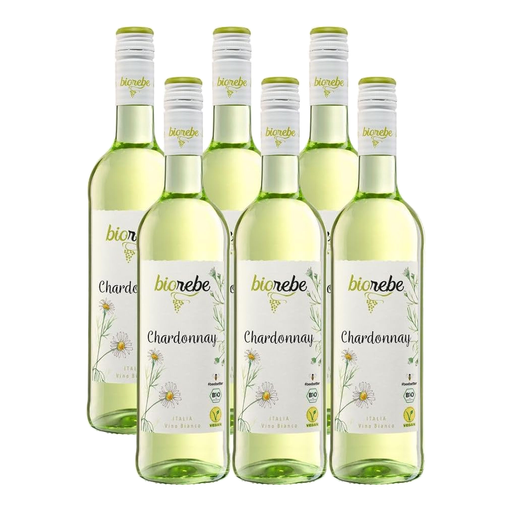
Why this product fits the profile: This dry Chardonnay comes in a 6-pack and combines organic and vegan certification with a total volume of 4.5 litres. The product data shows Italy as the country of origin.
Organic and vegan are explicitly stated; alcohol content, ingredients and sulphites are also listed in the product information.
Dry flavour profile, six 0.75-litre bottles and vegan certification.
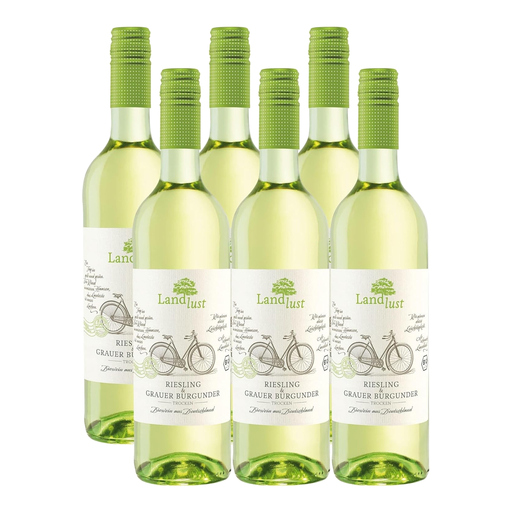
Why this product fits the profile: This German cuvée of Riesling and Pinot Gris is certified organic, vegan and gluten-free. It is recommended with cheese, fish, pasta and leaf salads.
The dry flavour profile, alcohol content of 12% vol and stated origin of Germany are all clearly specified.
Riesling-Pinot Gris blend, organic and vegan certification, plus clear food pairing recommendations.
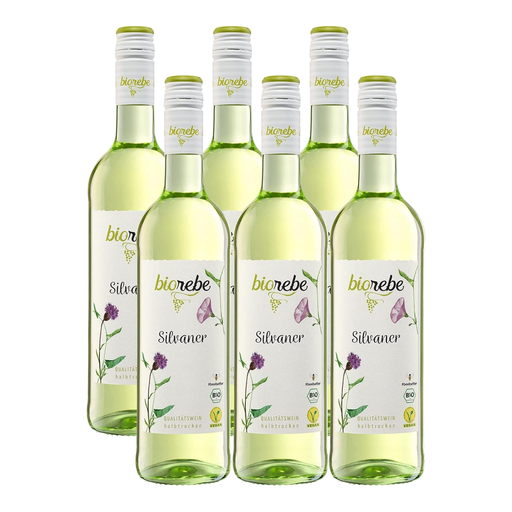
Why this product fits the profile: This medium-dry German Silvaner is aimed at households and hosts who want to offer an alternative to exclusively dry wines.
The flavour profile is stated as semi-dry and is not misleadingly classified as dry. Organic and vegan certifications are present.
Medium-dry profile, 11.5% vol and six bottles for private supplies or entertaining.
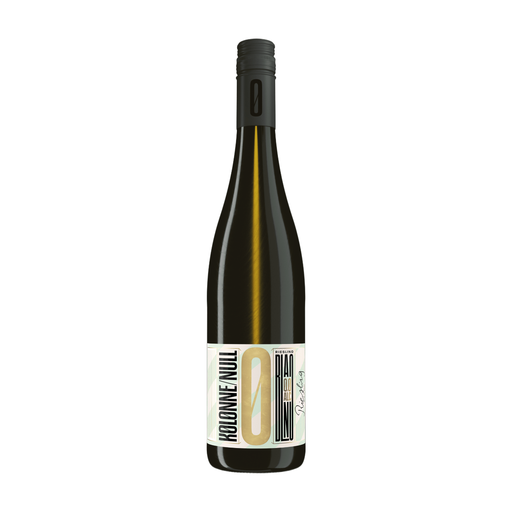
Why this product fits the profile: This alcohol-free Riesling with 0.0% vol is ideal for alcohol-free meal accompaniment and situations where you want to avoid alcohol.
The alcohol content of 0.0% vol is clearly stated. Residual sugar, ingredients and sulphites are also transparently listed.
100% Riesling, 0.0% vol and organic control number DE-ÖKO-039.
We've put together a full, regularly updated list of products that fully meet these strict selection criteria and the safety regulations in force in the EU.
No. Organic describes the ecological cultivation, while vegan relates to the methods and processing aids used during production. If you want to avoid animal-derived ingredients, you should look for an explicit vegan certification.
That depends on the wine type, closure and storage. After opening, the bottle should be resealed and kept in the fridge. Many product recommendations suggest consuming within three to five days. For the individual wine, the respective manufacturer's instruction applies.
Dry Riesling, Sauvignon Blanc or Vermentino wines are often recommended with fish and seafood. For vegan dishes, dry or medium-dry varieties of Riesling, Silvaner or Chardonnay are versatile options. What matters most is the seasoning, acidity, spiciness and preparation method of the dish.