When choosing organic wholegrain crispbread, first check the organic certification and ingredients list, then compare fibre and salt per 100 g. A simple wholegrain rye recipe is a good choice if you prefer fewer ingredients. With seeded varieties, also take the fat, energy and allergens listed on the specific pack into account.
Which crispbread is right for you?
Households looking for organic certification
If organic is a must when you shop, check the certification on the specific pack rather than relying on the product name alone. The Federal Ministry of Agriculture, Food and Regional Identity explains which details accompany the EU organic logo.
Shoppers focused on fibre
If crispbread is a regular part of your diet, the wholegrain description and fibre per 100 g can help you compare products. The German Nutrition Society points out that a dark colour alone is no proof that a product is wholegrain.
Shoppers checking ingredients and allergens
Different rye, wheat and seeded recipes can contain different ingredients and allergen warnings. Check both on the pack, especially if sesame or particular types of grain are a concern for you.
What should you look for when buying?
Start by deciding which feature matters most to you: clear organic certification, a stated wholegrain and fibre content, or a particular recipe.
| Criteria |
What to check |
Who it matters most to |
| Wholegrain and fibre |
Look for the word “wholegrain” and compare the fibre per 100 g in the nutrition information. Colour is no substitute for the label. |
If I eat crispbread regularly, I want to be able to identify wholegrain and compare fibre values; around 42% of consumers put this first. |
| Organic certification |
Check the EU organic logo, inspection body code and country of origin on the pack. |
I want to be able to verify the organic claim before choosing between recipes; around 33% of consumers prioritise this certification. |
| Ingredients and allergens |
Read the ingredients list and allergen warnings. If you’re comparing different recipes, also check the fat and salt per 100 g. |
With seeds and different grains, I want to know exactly what’s in the pack and which allergens are listed; around 25% of consumers prioritise the recipe. |
Which common mistakes can you avoid?
-
Assuming “organic” means “wholegrain”
Organic refers to how a product is produced, while wholegrain describes how the grain is used. So an organic claim alone doesn’t tell you whether a product is wholegrain.
If both matter to you, check the wholegrain claim as well as the organic logo, inspection body code and country of origin on the specific pack.
-
Assuming seeded crispbread is always the lighter option
REWE’s organic seeded variety lists 19.5 g of fat and 448 kcal per 100 g; the ALDI SÜD three-seed product examined lists 17 g of fat and 441 kcal per 100 g. You can’t determine a product’s nutritional profile from its seed content alone.
Compare energy, fat, salt and fibre per 100 g. The figures for the ALDI SÜD variety may vary by supplier, so always go by the pack you buy.
-
Guessing allergens from the product name
According to REWE’s product information, the seeded variety examined contains wheat and sesame, among other ingredients. EDEKA says its organic wholegrain rye crispbread contains rye and may contain traces of sesame and other gluten-containing cereals. “Organic” doesn’t tell you anything about these ingredients.
Check the ingredients list and allergen warnings on every pack, even if you’ve bought the same variety before.
-
Storing crispbread open or somewhere damp
Moisture can make crispbread lose its crunch. The Verbraucherzentrale recommends protecting it from moisture and not storing it with other bread.
Seal the pack tightly after opening and store it somewhere dry. Throw away any mouldy bread.
Organic and wholegrain crispbread brands to consider
The details below relate to specific products or ranges from the brands listed, not every variety they make.
REWE Bio
REWE’s Naturland Vollkorn Knusperknäcke combines wholegrain cereals with seeds.
- REWE lists 11.4 g of fibre per 100 g and provides ingredients, allergen warnings and an organic inspection body.
- According to REWE, the recipe contains 19.5 g of fat per 100 g. In particular, check the pack for details of sesame and gluten-containing cereals.
EDEKA Bio
EDEKA24 describes its organic rye wholegrain crispbread as containing 94% wholegrain rye flour, water and sea salt.
- The listed ingredients make it easy to identify this as a rye-based recipe.
- The product contains rye. EDEKA24 says it may contain traces of sesame and other gluten-containing cereals. To compare fibre, you’ll need the value on the specific pack.
GUT BIO / ALDI SÜD
ALDI SÜD sells an organic three-seed crispbread under the GUT BIO brand.
- The retailer lists 12 g of fibre per 100 g.
- ALDI SÜD notes that products may come from different suppliers. So compare the nutrition information on the pack you actually buy.
Wasa / Wasabröd
EDEKA24 stocks Wasa Wholegrain Crispbread as a wholegrain option alongside organic crispbread.
- This variety can be a useful wholegrain comparison if organic certification isn’t a requirement for you.
- Check the organic certification and nutrition information for the Wasa variety you choose. The wholegrain description is no substitute for proof of organic certification.
Ryvita
Ryvita describes its British Original Crispbread as being made with wholegrain rye flour.
- The British product information identifies the grain used and lists allergen warnings.
- If you’re buying a pack in Germany, rely on its own label and check for any organic certification you need. Don’t assume details for the British variety apply.
Joybuy products to compare rye and seeded crispbread
This selection includes seeded spelt crispbreads and a sesame crispbread, alongside a Wasa wholegrain rye variety. If organic certification is a must for you, check the label on the pack you choose. The Wasa variety is included as a separate wholegrain comparison.
 No image available
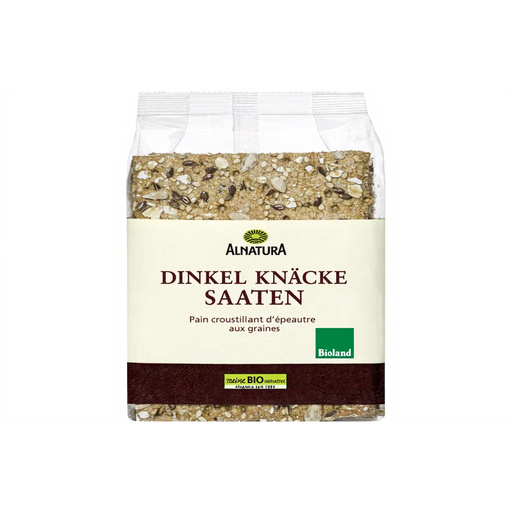
Alnatura organic spelt crispbread with seeds, 200 g
An option if you’re looking for spelt crispbread with seeds. Before choosing, check the ingredients list and allergen warnings on the specific pack.
View at Joybuy
 No image available
Alnatura organic sesame crispbread, 250 g
A sesame-based recipe to compare with other crispbreads. According to the information available, this product contains sesame and gluten-containing cereals. Also check the organic certification on the pack.
View at Joybuy
 No image available
Wasa Whole Grain Rye crispbread, 260 g
A wholegrain rye option to compare if organic certification isn’t a requirement for you. Check the pack for information about rye and gluten, as well as possible traces of milk and sesame.
View at Joybuy
 No image available
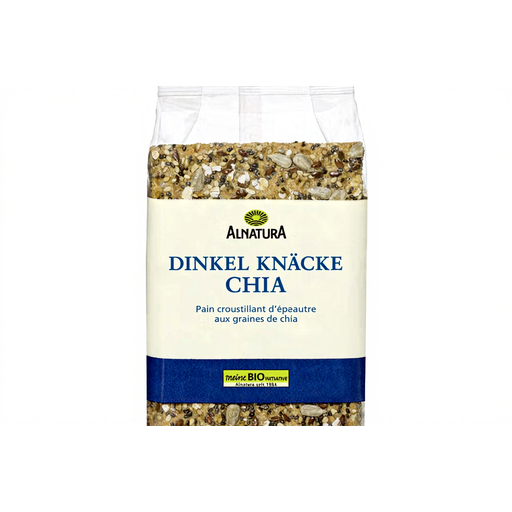
Alnatura organic spelt crispbread with chia seeds, 200 g
Another seeded spelt option if you want to compare the recipes side by side. Check the fibre per 100 g, organic certification and allergen warnings on the specific pack.
View at Joybuy
Questions about organic wholegrain crispbread
How can I tell if crispbread is organic?
Look for the EU organic logo, the inspection body code and the country of origin. According to the Federal Ministry of Agriculture, Food and Regional Identity, the logo has been compulsory on pre-packed organic food from the EU since 1 July 2010. Ökolandbau.de explains that, for an unrestricted organic claim, at least 95% by weight of the ingredients of agricultural origin must come from organic production.
Is dark crispbread automatically wholegrain?
No. Colour alone doesn’t prove that a product is wholegrain. The German Nutrition Society recommends looking for the word “wholegrain”; to compare fibre, also check the amount per 100 g.
Are rye or seeded crispbreads automatically gluten-free?
No. The rye and spelt varieties described here aren’t gluten-free just because they’re organic or contain seeds. Check the ingredients, allergen warnings and any gluten-free certification you need on the specific pack.
How can I keep crispbread crunchy after opening?
Store it somewhere dry in a tightly sealed pack. The Verbraucherzentrale also advises protecting crispbread from moisture and keeping it separate from other bread.


