
Lieferung heute & morgen

Qualitätsgarantie

Willkommens-Angebote freischalten: KOSTENLOSE Lieferung | Bis zu 80 % RABATT | Kostenlose 30-Tage-JoyPlus-Testphase
App herunterladen
Anyone looking to buy organic wine online will quickly find a wide selection of white, red and rosé wines, as well as alcohol-free alternatives. However, the terms used on labels are not always directly comparable. “Vegan”, “organic”, “sustainable” and “alcohol-free” describe different characteristics. The right buying decision therefore starts by checking certification, flavour profile, alcohol content and pack size.
Vegan wine is made without animal-derived fining agents. This does not automatically mean that the grapes were grown organically. Conversely, organic wine is not necessarily vegan. If you are looking for both qualities, look for an explicitly stated combination, such as “Organic Vegan”, or the relevant certification.
“Fruity” does not describe the level of sweetness. A dry white wine can have fruity aromas, while an off-dry wine has a higher residual sugar content. For choosing a wine, details such as dry, off-dry or sweet are more useful than general terms such as “well-balanced” or “full-bodied”.
A 6-bottle wine pack generally contains six bottles of 0.75 litres each, making 4.5 litres in total. This can be practical for regular use or a celebration, but it requires more budget and storage space than a single bottle. Before ordering, check the number of bottles, fill volume, alcohol content and delivery conditions.
For an organic wine, the origin and organic status should be clear from the product details. Examples in the range include wines from Germany, Italy, France, Chile and Spain. An organic control number, the term “EU organic” or a clear reference to organic farming makes it easier to assess the product.
“Sustainable wine”, on the other hand, is not a single legally protected quality term. Information about lightweight packaging, sustainable viticulture, Fairtrade or organic certification should therefore be considered separately. A brand or country of origin alone does not prove any particular environmental benefit.
The grape variety provides useful guidance on the wine’s style:
Serving temperature and recommended pairings are also helpful when planning meals. Rosé wine is usually served cooler than a full-bodied red wine.
Alcohol content should not only be considered when choosing alcohol-free alternatives. Products in the range can vary, for example, from 0,0 % vol to 14,0 % vol or more. Depending on the product definition, “alcohol-free” may still mean a very small amount of residual alcohol. Torres Natureo Blanco is listed as containing less than 0.03%, while Natureo Tinto is stated as having 0,0 % vol.
Wine often contains sulphites, which must be identified as an allergen. Ingredient lists and nutritional information may vary between products. Alcoholic drinks are not suitable for children or pregnant women. For an alcohol-free occasion, choose a product explicitly labelled as alcohol-free.
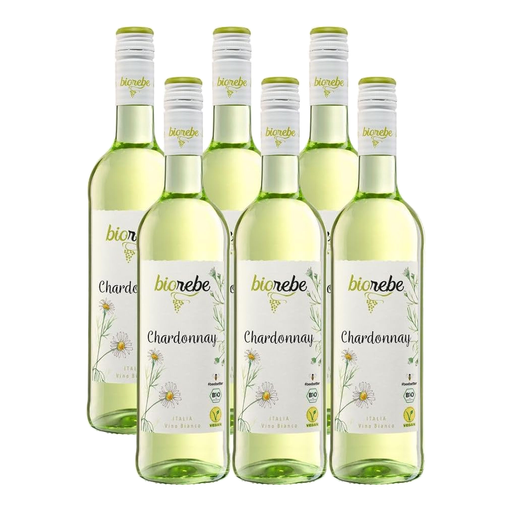
Why this product suits this profile: This dry organic white wine comes in a 6-bottle pack and combines organic origins with vegan production. It is therefore well suited to households that regularly serve white wine.
The product details explicitly state that it is organic and vegan. Its dry style is clearly identified rather than being described only through its aromas.
Italian origin, 6 x 0,75 litres, 11,5 % vol and sulphites clearly identified as an allergen.
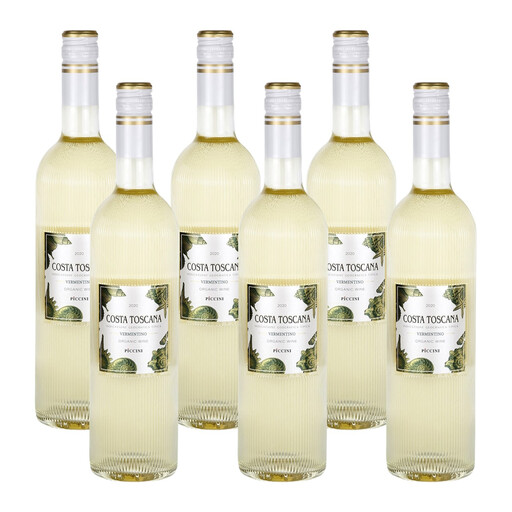
Why this product suits this profile: This Italian wine from Tuscany is aimed at people who take origin, grape variety and production methods into account when choosing a wine.
The details specify the grape variety, region, IGT origin, dry taste and production information. This makes it easier to assess the wine more precisely.
Vermentino from Tuscany, 12,5 % vol, three months’ maturation on the lees and suitable for light starters or seafood.
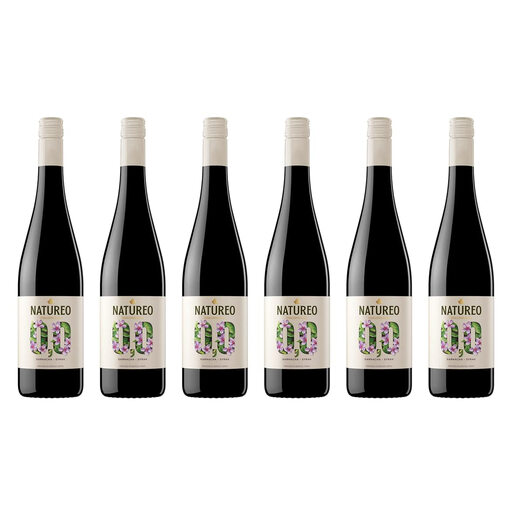
Why this product suits this profile: This alcohol-free alternative comes in a 6-bottle pack for households and events where not every guest wants to drink alcohol.
The alcohol content is listed as 0,0 % vol. The product details also specify the sweetness level, grape varieties and serving temperature.
Garnacha and Syrah, an off-dry style, 6 x 0,75 litres and suitable food-pairing suggestions such as Mediterranean cuisine or hard cheese.
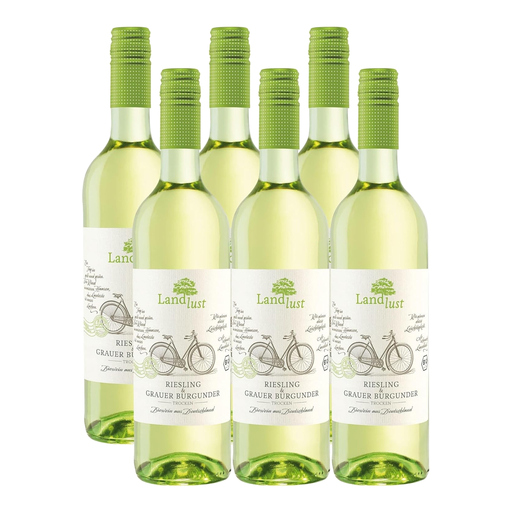
Why this product suits this profile: This German organic white wine is identified as vegan and produced in accordance with EU organic regulations. The combination of Riesling and Pinot Gris provides a clearly defined basis for choosing the wine.
The details distinguish between organic origin, vegan suitability, grape varieties and sweetness level. This reduces confusion between sustainability marketing and specific product characteristics.
German origin, 12 % vol, 4,5 litres in total and food-pairing suggestions for cheese, fish, pasta and leafy salads.
We have put together a complete, regularly updated list of products that fully meet these strict selection criteria and the safety regulations applicable in the EU.
A quick checklist is worthwhile before buying:
No. Vegan describes production without animal-derived fining agents. Organic refers to cultivation and the relevant production requirements. Both qualities should be stated separately in the product information.
This depends on the type of wine, closure, storage conditions and product information. As a practical guide, opened wine should be resealed, chilled and consumed within a few days. Alcohol-free wine may also have a limited shelf life once opened.
A 6-bottle pack may reduce the price per bottle, but the actual saving depends on the offer, delivery costs and the price of individual bottles. Before buying, always compare the total price, bottle volume and delivery conditions.