What to look for when buying
When choosing organic flakes for a quick breakfast, it’s worth checking the organic label, ingredients and type of grain separately. If you need to avoid particular allergens, the labelling on the specific pack is also essential.
| What to look for |
Check when buying |
Who it matters most to |
| Organic certification |
The EU organic logo, inspection body code and origin statement for the agricultural ingredients. |
If you’re specifically buying organic cornflakes, you’ll want to be able to verify the labelling on the pack. Around 31% of consumers make this a priority. |
| No added sugar |
Check the ingredients list for sugar and sweetening ingredients; compare the sugar content per 100 g of the product as sold. |
You want to decide for yourself whether to sweeten your breakfast and what to use. That’s why around 31% of consumers prioritise a recipe with no added sugar. |
| Wholegrains |
Check for an explicit wholegrain claim, the type of grain, added sugar and gluten labelling. |
If you choose wholegrain flakes instead of cornflakes, the type of grain is particularly important for your breakfast. Around 23% of consumers give wholegrains top priority. |
| Ready to eat and suitability |
Check the serving instructions, ingredients, allergens, possible traces and, if needed, the gluten-free labelling. |
You want a breakfast that needs no preparation, while still being able to check the ingredients against your dietary requirements. Around 15% of consumers prioritise this combination. |
Products at Joybuy
This selection includes unsweetened organic cornflakes for a corn-based breakfast, alongside spelt flakes as a different type of flake for a quick breakfast. Compare the ingredients on each pack if wholegrains, added sugar or allergens are important to your choice.
 No image available
Alnatura organic cornflakes, unsweetened, 300 g
A cornflake option for anyone looking for an unsweetened base for a quick breakfast.
If you have allergies or coeliac disease, check the ingredients, possible traces and gluten labelling on the pack you buy.
View at Joybuy
 No image available
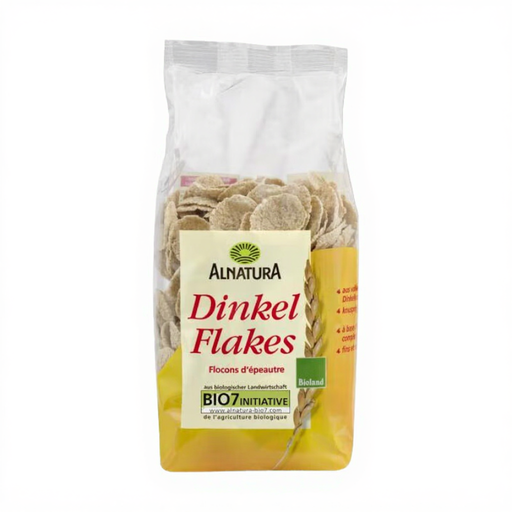
Alnatura organic spelt flakes, 200 g
Spelt flakes are worth considering if you’d like a different grain from corn for a quick breakfast.
Spelt contains gluten. If wholegrains or avoiding added sugar matters to you, check the information on the pack.
View at Joybuy
Frequently asked questions
How can I identify organic cornflakes?
For pre-packed foods sold as organic in the EU, the EU organic logo is generally required. According to the European Commission, the inspection body code and origin statement for the agricultural ingredients are part of the labelling. For processed foods, the logo also requires at least 95% of the ingredients of agricultural origin to be organic, among other conditions.
Are organic cornflakes always free from added sugar?
No. Organic and unsweetened describe different qualities. Alongside its unsweetened organic cornflakes, Alnatura also offers a classic variety with organic raw cane sugar, so check the ingredients list on the specific pack.
Are cornflakes automatically wholegrain?
No. A high proportion of corn doesn’t automatically mean a product is wholegrain. If you’re looking for wholegrain flakes, check for an explicit wholegrain claim. For spelt alternatives, check for gluten and added sugar too.
Is the ‘organic’ label enough if you have allergies or coeliac disease?
No. Organic labelling doesn’t prove that a product is suitable for people with allergies or coeliac disease. Check the ingredients, trace warnings and, where relevant, the gluten-free labelling on the specific pack. Even organic cornflakes can contain soya lecithin or list possible traces of other allergens.


