Keeping an eye on protein
You want to pay attention to the protein content of your snack. Compare organic tortilla chips with varieties specifically labelled as high in protein, using the nutritional information per 100 g.


Choose organic tortilla chips if organic certification matters more to you than a high protein content in a snack. If protein is your priority, also compare snacks specifically labelled as high in protein, and check their organic status, ingredients, salt content and allergens separately.
You want to pay attention to the protein content of your snack. Compare organic tortilla chips with varieties specifically labelled as high in protein, using the nutritional information per 100 g.
You only want to choose tortilla chips if you can verify the organic certification and organic control body for the specific product.
You prefer a recipe made with corn, oil and salt. Even so, check the ingredients list and any precautionary allergen statements on the individual pack.
When choosing tortilla chips as a snack for a protein-focused diet in Germany, the key question is whether organic certification, protein content or the specific ingredients and allergen information matters most to you.
A good choice if: You require organic certification for an occasional snack or side.
The trade-off: REWE and dm-drogerie markt list 6.5 and 7.8 g of protein per 100 g respectively for their salted organic tortilla chips.
A good choice if: The stated protein content matters more to you than organic certification.
The trade-off: According to dm-drogerie markt, the Sportness paprika variety contains soya and has 1.88 g of salt per 100 g. Check separately if you need proof of organic certification.
| Criterion | What to check when buying | Who it matters to |
|---|---|---|
| Protein content | Compare the protein per 100 g; for protein varieties, also check the protein source in the ingredients list. | I want my snack to provide protein, and need to know what part it can play. Around 42% of consumers give this protein goal priority. |
| Organic certification | Check the EU organic logo and organic control body code for the specific product. | I’ll only consider chips if I can verify their organic certification, even if another variety lists more protein. Around 33% of consumers put this proof first. |
| Ingredients and allergens | Check the ingredients list, allergen and precautionary statements, and salt per 100 g on the individual pack. | I prefer a straightforward recipe, but want to check carefully for possible allergen traces and salt content. Around 25% of consumers prioritise this check. |
Organic certification doesn’t tell you how much protein a snack contains. REWE lists 6.5 g of protein per 100 g for its salted organic tortilla chips, while dm-drogerie markt lists 7.8 g per 100 g for the dmBio sea salt variety.
If protein is a priority for you, compare the nutritional information per 100 g and consider the chips alongside the other foods you eat.
Allergen statements vary by recipe: REWE Bio warns of possible traces of gluten and milk, while dmBio warns of possible traces of milk. The Sportness paprika variety checked contains soya.
Check the current ingredients and allergen information on the specific pack every time you buy, especially if you need to avoid certain ingredients.
Different pack sizes can make direct nutritional comparisons difficult. According to dm-drogerie markt, dmBio Tortilla Chips with sea salt contain 0.8 g of salt per 100 g, while Sportness Protein Tortilla Chips with paprika flavour contain 1.88 g per 100 g.
Compare protein and salt per 100 g, and check whether the variety you want is available from the specific shop or retailer.
The sea salt tortilla chips are an organic option for shoppers who also want to compare protein content.
The salted tortilla chips are an organic option made with corn, sunflower oil and sea salt.
Bio Mais Chips natur are an alternative corn snack; the product name doesn’t specifically identify them as tortilla chips.
The paprika-flavoured protein tortilla chips are worth comparing if the stated protein content is your priority.
Tortillas Salted are included here as a comparison with a conventional tortilla chip variety.
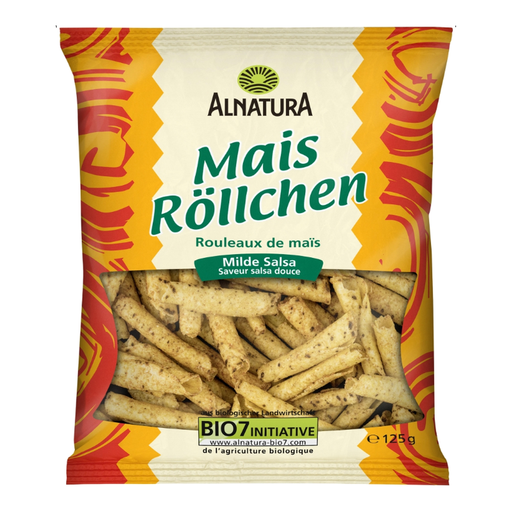
These organic corn rolls are an alternative corn snack if you’re looking for a product with organic certification. If you specifically want tortilla chips, check the product type before buying.
 No image available
An organic corn snack alternative if you’re not specifically looking for tortilla chips. The pack contains 125 g; if protein is your priority, compare the nutritional information per 100 g and check the current allergen information.
Check the EU organic logo and the code for the relevant organic control body on the specific pack. The Verbraucherzentrale lists both as useful indicators for packaged organic foods.
No. Organic certification alone doesn’t tell you how much protein a product contains. REWE lists 6.5 g of protein per 100 g for its organic variety, and dm-drogerie markt lists 7.8 g per 100 g for dmBio. The Sportness Protein Tortilla Chips with paprika flavour sold there contain 33 g per 100 g. Compare like for like when making your choice.
No. Always read the allergen and precautionary statements for the specific product. dmBio lists possible traces of milk for its sea salt tortilla chips, while REWE Bio lists possible traces of gluten and milk for its salted tortilla chips.
Store them in a dry place, away from heat. REWE also recommends keeping its organic tortilla chips away from light; reseal an opened bag securely.